Brooklyn Taxidermy
Taxidermist in Brooklyn, New York
Customer Reviews
About Brooklyn Taxidermy
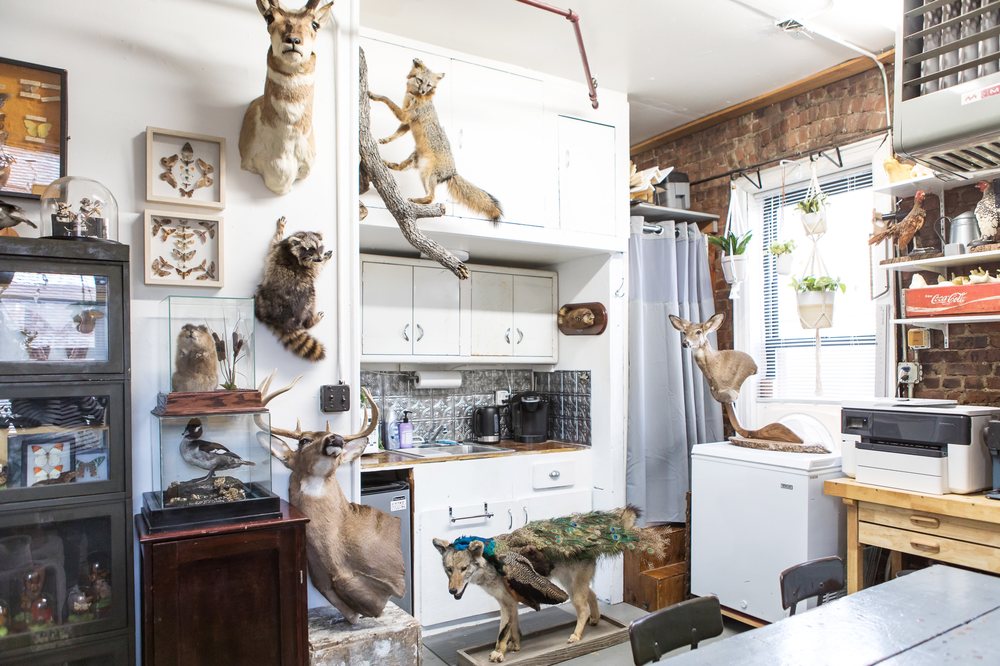
Brooklyn Taxidermy stands apart from nearly every other taxidermy shop in the country by combining traditional mount work with formal art classes, making it as much a creative studio as a preservation service. Based in Brooklyn, New York, it holds a 4.2 rating across 5 reviews, suggesting a genuinely satisfied clientele that likely skews toward artists, collectors, and curious New Yorkers rather than traditional hunters. The taxidermy art movement has found a strong home in Brooklyn's creative communities, where natural history aesthetics intersect with fine art. It's a different world from a Nevada hunting shop, and it doesn't pretend otherwise.
Services
Services & Process
Brooklyn Taxidermy offers traditional taxidermy preservation alongside structured art classes that teach students the craft from the ground up. Classes likely cover small mammal mounting, bird work, and wet specimen preservation, popular in the oddities and natural history collecting scene that thrives in New York City. For collectors and institutions, the studio can produce display-quality mounts with artistic staging and custom presentation. Museums, film and TV productions, and interior designers in the city occasionally commission work from studios like this for both functional and purely aesthetic purposes.
Service Area
Brooklyn Taxidermy serves clients across Brooklyn and the broader New York City area, including Manhattan, Queens, and beyond. Given the studio's reputation in the taxidermy art world, clients and students sometimes travel from other states for classes or to commission specialty pieces.
Frequently Asked Questions
Do I need any prior experience to take a taxidermy art class?
What kinds of specimens are used in taxidermy classes?
Can Brooklyn Taxidermy produce work for interior design or film productions?
What is wet specimen preservation, and is it something offered here?
Can I commission a mount for a pet that has passed away?
Where do taxidermists source ethically obtained specimens for art projects?
Is this your business?
Claim your listing to update your info and connect with customers.
Claim This Listing