Creek Bottom Taxidermy
Taxidermist in Princeton, Minnesota
Customer Reviews
About Creek Bottom Taxidermy
Creek Bottom Taxidermy operates out of Princeton, a Mille Lacs County town that sits at a natural crossroads for hunting and fishing in central Minnesota. The name reflects the kind of terrain that defines this region, wooded creek bottoms full of whitetail deer, wild turkey, and small game. Princeton is within easy range of Mille Lacs Lake, one of the most famous walleye fisheries in the state, which means the shop likely sees a consistent mix of big game and fish work. They're reachable at (763) 203-1438.
Services
Services & Process
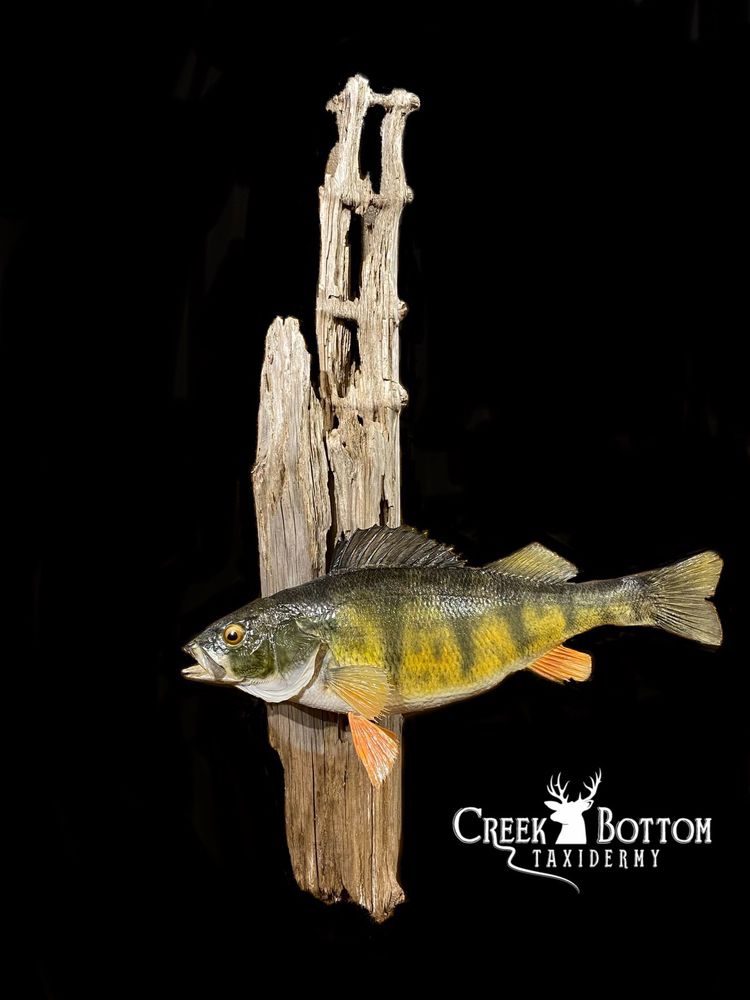
Given the Princeton location, Creek Bottom Taxidermy is well positioned to handle whitetail deer mounts, which dominate fall workloads in Mille Lacs County. Fish mounts from Mille Lacs Lake and the Rum River watershed are a natural part of the business here, from walleye to northern pike and bass. Turkey mounts, skull cleaning, and antler mounting round out the typical offering for a central Minnesota shop. Rug mounts for bear are also common in this part of the state where bear hunting seasons are active.
Service Area
Creek Bottom Taxidermy serves Princeton and the surrounding Mille Lacs County area, including Milaca, Zimmerman, and communities along the Rum River corridor. Hunters and anglers coming in from the Mille Lacs Lake shoreline towns are a natural part of the customer base. The shop is centrally located for sportsmen across a broad stretch of central Minnesota.
Frequently Asked Questions
Does Creek Bottom Taxidermy handle walleye mounts from Mille Lacs Lake?
What's a reproduction mount and why would I choose it over a skin mount for fish?
Does the shop handle bear rug mounts?
What should I do with a turkey immediately after harvest if I want it mounted?
How much does a full body deer mount cost compared to a shoulder mount?
Can I ship my specimen to a taxidermist if I'm not local to Princeton?
Is this your business?
Claim your listing to update your info and connect with customers.
Claim This Listing