Dewildt Taxidermy

Taxidermist in Portage, Wisconsin
(608) 697-7080N 8002 Ashley Rd, Portage, WI 53901View on Yelp
Dewildt Taxidermy - taxidermy in Portage, WI

About Dewildt Taxidermy

Dewildt Taxidermy is located in Portage, Wisconsin, the county seat of Columbia County and a city positioned where the Fox and Wisconsin Rivers meet. That geography is significant: Portage is surrounded by excellent whitetail habitat, quality fishing waters, and close proximity to the Necedah National Wildlife Refuge corridor to the north. Hunters and anglers in this part of central Wisconsin need a taxidermist who can handle both river fish and woodland game with equal skill. Dewildt serves that community with a name that carries the kind of personal accountability that smaller, owner-operated studios tend to run on.

Services

Taxidermy

Services & Process

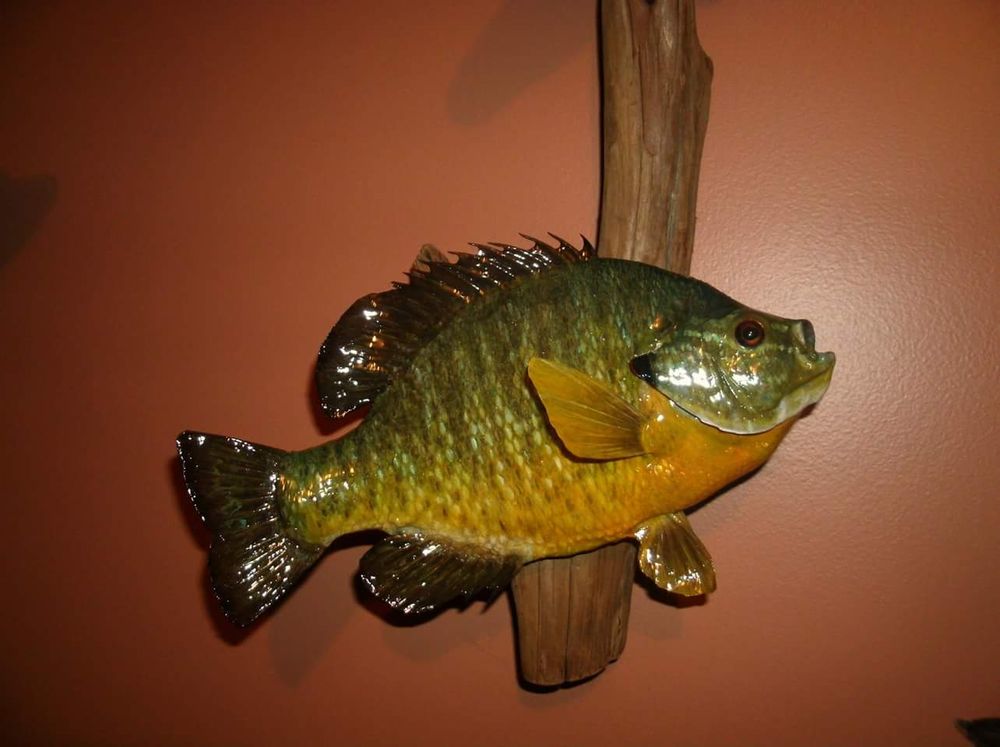
Portage area taxidermists deal with a mix of river and upland game that demands versatility. Whitetail deer shoulder mounts and European skull mounts are the consistent volume work throughout the fall and winter. The Wisconsin River provides fishing for walleye, catfish, and muskie, all of which make compelling display pieces. Rug mounts, which involve tanning a hide flat with the head attached for wall or floor display, are another option available for bear and other large game that Columbia County hunters may bring in. Antler mounting on decorative panels is a fast, cost-effective alternative for hunters who want something simple.

Service Area

Dewildt Taxidermy serves Portage and Columbia County, with customers regularly coming from Wisconsin Dells, Baraboo, Lodi, and Pardeeville. The studio's central location makes it accessible from multiple directions along the Highway 51 corridor. Hunters from both the river bottoms and the upland farm country surrounding Portage find it a convenient drop-off point.

Frequently Asked Questions

Do you mount muskie and other large river fish?
Large predator fish like muskie are absolutely within scope for a Wisconsin taxidermist, and they make some of the most dramatic display pieces available. Fiberglass reproductions are the preferred method for muskie because they capture the full color and detail without the hide degradation that can affect skin mounts over time. Bring accurate measurements and good photos if you practice catch-and-release.
What's included in a rug mount for a bear?
A rug mount typically includes the full tanned hide laid flat with the head mounted in a three-dimensional form, paws spread out, and sometimes a felt backing added for display. It's a popular choice for bear, wolf, and mountain lion hides. The head can be posed open-mouthed or closed depending on preference, and the finished piece can be displayed on a wall or the floor.
How do I prepare a fish for mounting if I want to keep it?
The best thing you can do is get the fish on ice immediately and keep it wet and cold until you can transport it to the studio. Don't clean or gut it, and handle it as little as possible to preserve the scales and slime coat. If you're planning ahead for a reproduction, just take detailed measurements and multiple photos from different angles before releasing the fish.
Can I bring in a deer shoulder that was frozen all winter?
Yes, a properly frozen cape can be held for months without significant quality loss. The key is that it was frozen quickly after harvest and stored at a consistent temperature without repeated thawing and refreezing. Let the taxidermist know how long it's been frozen and under what conditions so they can assess the hide quality before starting work.
Do you work with hunters who've taken game out of state?
Most taxidermists will work on legally harvested game from any state, but out-of-state specimens may require additional documentation depending on the species. Bears, elk, and certain other species have specific transport and possession regulations. Always check both the harvesting state's rules and Wisconsin's requirements before transporting your animal across state lines.
What happens if my mount is damaged during the process?
A reputable taxidermist will communicate any issues with the specimen as soon as they're discovered, especially if something like hide damage or scale loss affects what's possible with the final mount. Discussing expectations and potential risks upfront is part of the initial consultation. Make sure you understand what's covered before leaving a deposit.

Is this your business?

Claim your listing to update your info and connect with customers.

Claim This Listing

More Taxidermists