Fins Tines & Feathers

Taxidermist in Liberty, North Carolina
5(1 reviews)
(336) 622-1198, Liberty, NC 27298View on Yelp
Fins Tines & Feathers - taxidermy in Liberty, NC

Customer Reviews

5
out of 5
1 reviews

Based on Yelp ratings

Read reviews on Yelp

About Fins Tines & Feathers

Fins Tines and Feathers is a taxidermy studio based in Liberty, North Carolina, a small Randolph County town that sits between Greensboro and the Triad metro area. The name says it all: fish, deer, and birds are the core focus, covering the three most common categories that hunters and anglers bring through the door. With a 5-star rating from its early reviews, the studio is building a reputation in a part of the state that takes hunting seriously. Randolph County's mix of farmland, timber tracts, and public hunting areas gives the studio a steady stream of local customers each season.

Services

Taxidermy

Services & Process

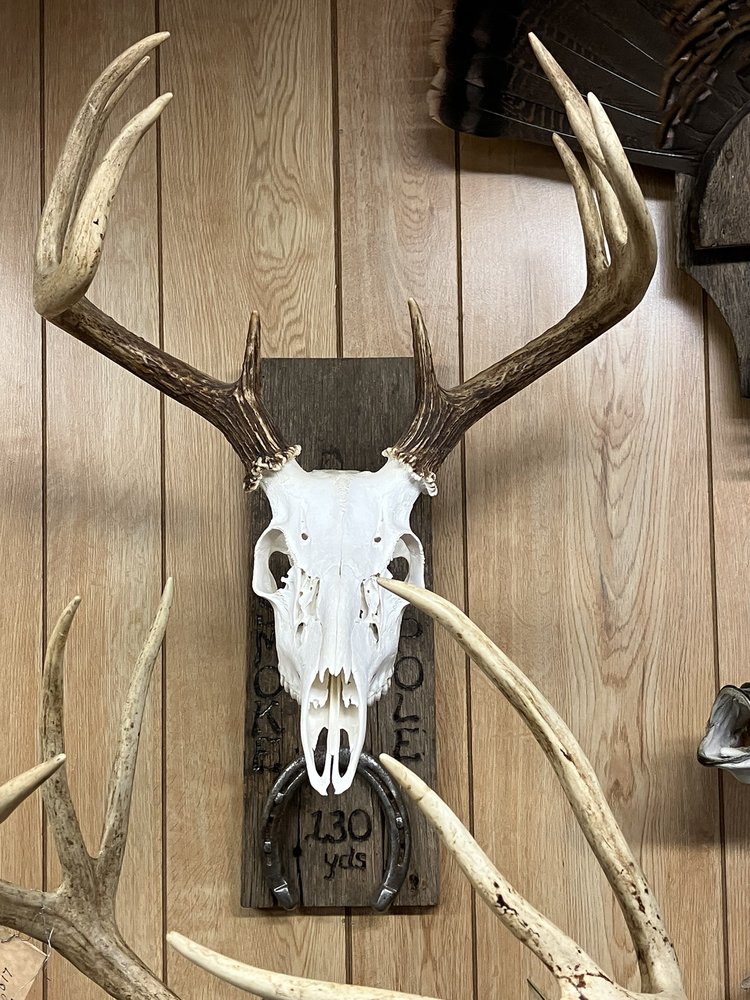
The studio's name directly signals its service categories. Fish mounts cover freshwater species like bass, catfish, and crappie from the nearby Uwharrie River and area ponds, using either skin or reproduction techniques. Deer work, referenced in the 'tines' of the name, includes antler mounting, shoulder mounts, and European skull mounts for whitetail harvested across the Piedmont. Bird mounts, from wild turkey to ducks and game birds, round out the offering and require precise feather care and detailed finishing to look natural on display.

Service Area

Fins Tines and Feathers serves Liberty and the broader Randolph County area, including hunters and anglers from Asheboro, Siler City, and the surrounding Triad communities. Its location makes it a practical choice for sportsmen working the Uwharrie National Forest and nearby private lands. Customers from Guilford and Chatham counties also make the trip for quality work.

Frequently Asked Questions

What does 'fins, tines, and feathers' mean in terms of what this studio mounts?
The name covers the three main categories: fins refers to fish mounts, tines refers to deer antler and trophy mounts, and feathers covers bird work including turkey and waterfowl. It's a useful shorthand that tells you upfront what the studio specializes in. If your trophy falls into one of those categories, you're in the right place.
Can I get my Uwharrie deer mount done locally in Liberty, NC?
Yes, Fins Tines and Feathers is well-positioned for hunters working the Uwharrie National Forest and surrounding private lands in Randolph County. Having a local taxidermist familiar with the region means shorter transport distances and a studio that understands the scale and character of local whitetail. Call ahead to discuss timing, especially during the busy fall season.
What's the difference between an antler mount and a shoulder mount?
An antler mount displays just the antlers attached to a skull plate on a decorative panel, while a shoulder mount includes the full head and neck with the hide preserved over a form. Antler mounts are more affordable and take up less wall space, making them a popular choice for hunters who want to remember a great rack without a full mount. Shoulder mounts give a more complete, lifelike representation of the animal.
How should I handle a wild turkey after harvest to prepare it for mounting?
Keep the bird cool and avoid field dressing it if you plan to do a full body mount, as the taxidermist needs the skin intact. Fold the wings close to the body and bag the bird gently to avoid ruffling the feathers, then refrigerate or freeze it until drop-off. Don't drag the bird through brush or let it sit in the sun, as feather damage is difficult or impossible to reverse.
Does Fins Tines and Feathers handle European skull mounts?
European mounts are a popular option for deer hunters who want a clean, minimalist display that shows off the skull and antlers without a full hide. The process involves removing all soft tissue and cleaning the bone to a bright white finish. It's a faster and more affordable option than a shoulder mount, and many hunters display them outdoors on barns or cabins.
How far in advance should I contact a taxidermist before deer season?
Reaching out before season starts is smart, especially with popular studios that fill up quickly during peak months. Late September or early October is a good time to call and get your name on the schedule for the fall. It also gives you a chance to confirm the studio's current pricing and any drop-off preferences before you're standing there with a freshly harvested deer.

Is this your business?

Claim your listing to update your info and connect with customers.

Claim This Listing

More Taxidermists