Folmsbee's Taxidermy
Taxidermist in Clarksburg, West Virginia
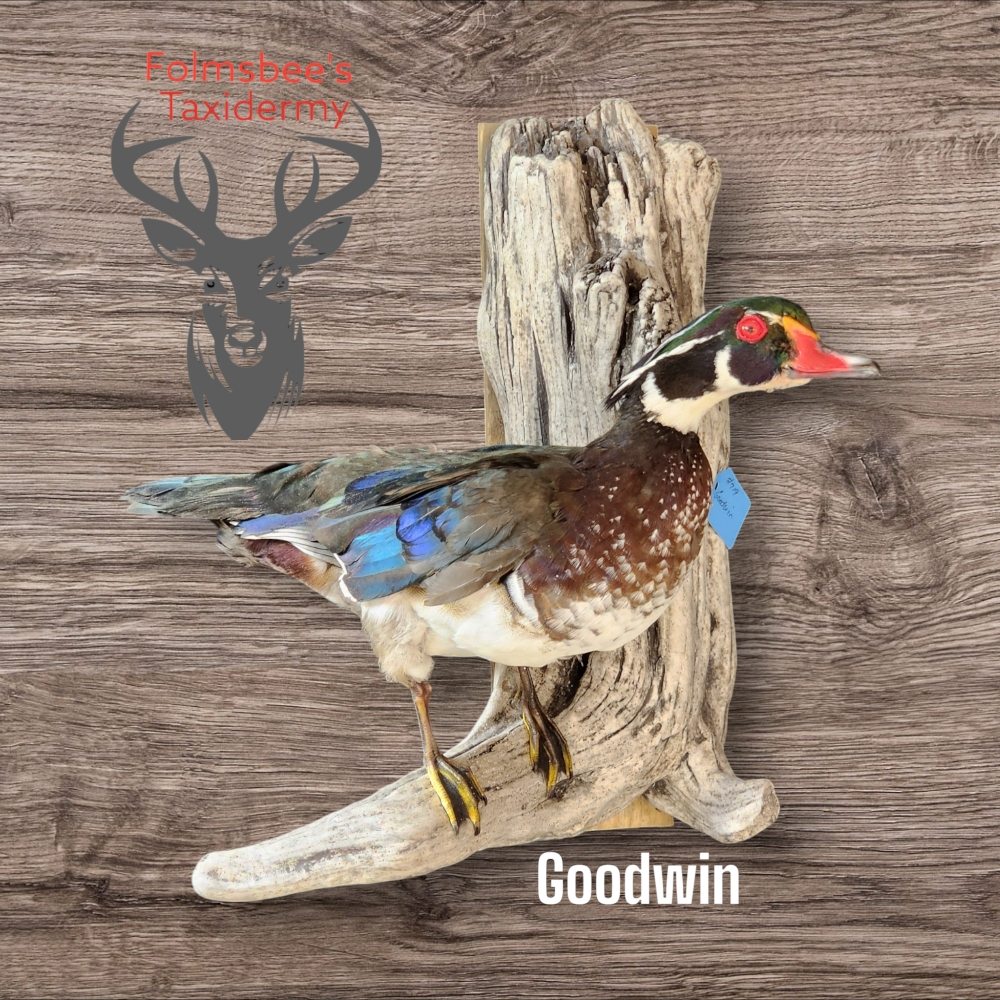
About Folmsbee's Taxidermy
Folmsbee's Taxidermy is based in Clarksburg, the county seat of Harrison County in north-central West Virginia. The area sits within reach of several productive hunting regions, including the Monongahela National Forest to the east and the rolling farmland and timber tracts of the north-central counties that consistently produce quality whitetail deer. A studio with a proper name like Folmsbee's suggests a family-run operation with roots in the community. Hunters in the Clarksburg area benefit from having a local option rather than shipping trophies to studios in larger cities.
Services
Services & Process
Folmsbee's Taxidermy covers the essential services that north-central West Virginia hunters and sportsmen need. Whitetail deer shoulder mounts are the bread-and-butter work of most Appalachian taxidermists, requiring precise cape preparation, form fitting, and detailed finish work around the eyes, nose, and ears. Black bear and wild boar mounts are also common in this region, with full body and rug mount options available for larger game. For anglers targeting walleye, bass, or trout in area waterways, fish mounts, whether skin mounts or painted reproductions, capture the details of a memorable catch.
Service Area
Folmsbee's Taxidermy serves Clarksburg and the surrounding Harrison County area, including customers from Bridgeport, Shinnston, and Clarksburg's neighboring communities. The studio's central location in north-central West Virginia makes it accessible to hunters from Marion, Lewis, and Doddridge counties as well.
Frequently Asked Questions
Does Folmsbee's Taxidermy work with out-of-state deer harvested in Pennsylvania?
How much hide do I need to leave on a deer for a shoulder mount?
Can I get a deer cape re-mounted if an older mount is damaged?
What species are most commonly mounted by hunters in Harrison County?
Is it possible to get a mount done as a gift for someone else?
How do I store a mount long-term if I'm moving or remodeling?
Is this your business?
Claim your listing to update your info and connect with customers.
Claim This Listing