Jordan Lake Taxidermy

Taxidermist in Durham, North Carolina
(919) 730-88827606 Nc Hwy 751, Durham, NC 27713View on Yelp
Jordan Lake Taxidermy - taxidermy in Durham, NC

About Jordan Lake Taxidermy

Jordan Lake Taxidermy is a Durham, North Carolina-based studio that draws its name from one of the Triangle's most well-known outdoor destinations. Jordan Lake is a major reservoir straddling Chatham and Wake counties, famous for its striped bass fishing, eagle watching, and recreational hunting in the surrounding state game lands. A taxidermist with ties to that body of water signals direct familiarity with the fish and wildlife that local sportsmen care about most. Durham's position at the corner of the Triangle puts this studio within easy reach of anglers, hunters, and collectors from across the region.

Services

Taxidermy

Services & Process

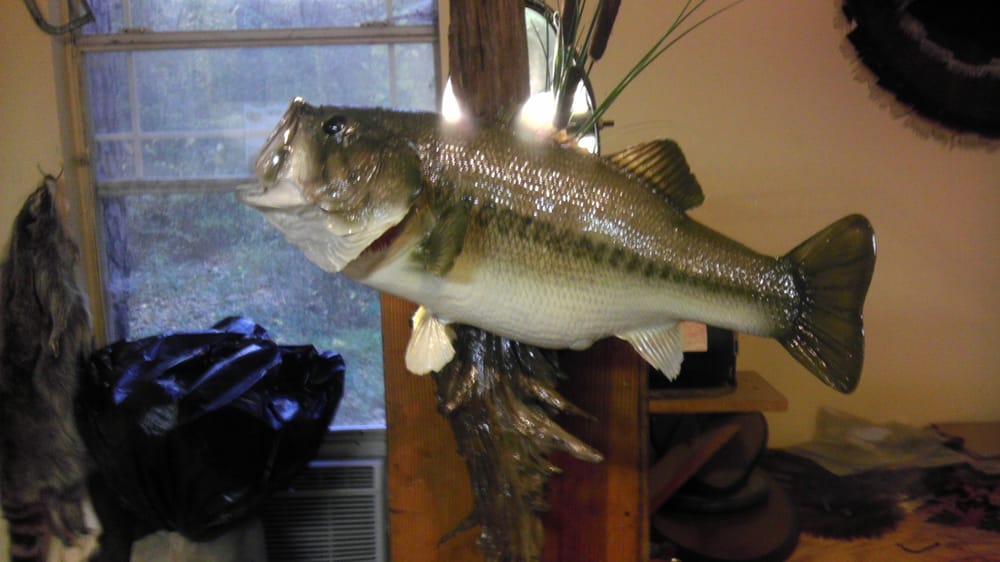
Jordan Lake Taxidermy likely focuses heavily on freshwater fish mounts given its namesake, including species like striped bass, largemouth bass, and catfish that are popular targets on Jordan Lake and surrounding Triangle waters. Trophy deer mounts are a natural addition for hunters working the state game lands adjacent to the reservoir. Full body mounts for waterfowl are also relevant given Jordan Lake's reputation as a bald eagle and migratory bird hotspot. Skull cleaning and antler mounting round out a solid lineup for the deer hunters who make up a large share of Durham County's hunting community.

Service Area

Jordan Lake Taxidermy is based in Durham and serves the broader Triangle, including anglers and hunters from Chapel Hill, Pittsboro, Cary, and surrounding communities. Its proximity to Jordan Lake State Recreation Area makes it a natural choice for sportsmen active on that fishery. Customers from Orange and Chatham counties are also well within reach.

Frequently Asked Questions

Does Jordan Lake Taxidermy specialize in striped bass mounts from Jordan Lake?
Given the studio's name and location, striped bass mounts from Jordan Lake are almost certainly a core part of the workload. Stripers are one of the most prized catches on the reservoir, and many anglers want a lasting record of a personal best. Reproductions are often the preferred method for striped bass because they produce vivid, lasting color and allow you to release the live fish.
What's the catch-and-release policy for fish mounts? Can I still get a mount without keeping the fish?
Yes, reproduction mounts are specifically designed for catch-and-release fishing. You'll need accurate measurements, particularly length and girth, taken at the time of catch, along with clear photos showing the fish's coloring from multiple angles. The taxidermist uses those details to create a replica that closely matches the original fish.
Are there public hunting areas near Jordan Lake where Durham hunters can find deer?
Jordan Lake State Recreation Area includes game lands open to deer and small game hunting during regulated seasons. Hunters can pursue whitetail deer on thousands of acres across Chatham and Wake counties surrounding the reservoir. The area is a popular destination for Triangle-area hunters, and a Durham taxidermist familiar with the region is a natural fit for that community.
Can Jordan Lake Taxidermy handle eagle or osprey mounts for educational institutions?
Bald eagles and osprey are protected species under federal law, so mounting them requires specific permits and is generally limited to educational or scientific institutions. Museums and nature centers with the appropriate permits can work with licensed taxidermists on these projects. It's worth calling the studio directly to discuss whether they have experience with permit-based institutional work.
How long does a fish mount take from drop-off to completion?
Skin mounts for fish typically take several months, while reproductions can sometimes move faster depending on the taxidermist's schedule. Turnaround varies widely based on the current workload and the size and complexity of the fish. Ask for a realistic estimate at drop-off so you're not caught off guard by a longer wait.
What information should I bring when dropping off a fish for a reproduction mount?
Bring clear photographs taken from both sides of the fish immediately after the catch, ideally in good natural light before the colors fade. Precise measurements of length and maximum girth are critical for getting the reproduction form to fit correctly. Notes about any distinctive markings, spots, or color variations help the taxidermist match the paint job to the actual fish.

Is this your business?

Claim your listing to update your info and connect with customers.

Claim This Listing

More Taxidermists