Plastination Arts
Taxidermist in Tucson, Arizona
About Plastination Arts
Plastination Arts in Tucson, Arizona occupies a genuinely different corner of the preservation world. Rather than traditional taxidermy, plastination replaces organic fluids in biological specimens with hardened polymers, creating durable, odorless displays used by museums, educational institutions, and collectors. Tucson's strong ties to the University of Arizona and its natural history community make it a fitting home for a studio doing this kind of specialized work. If you're looking for something beyond a conventional mount, this is a provider worth contacting at (520) 404-6957.
Services
Services & Process
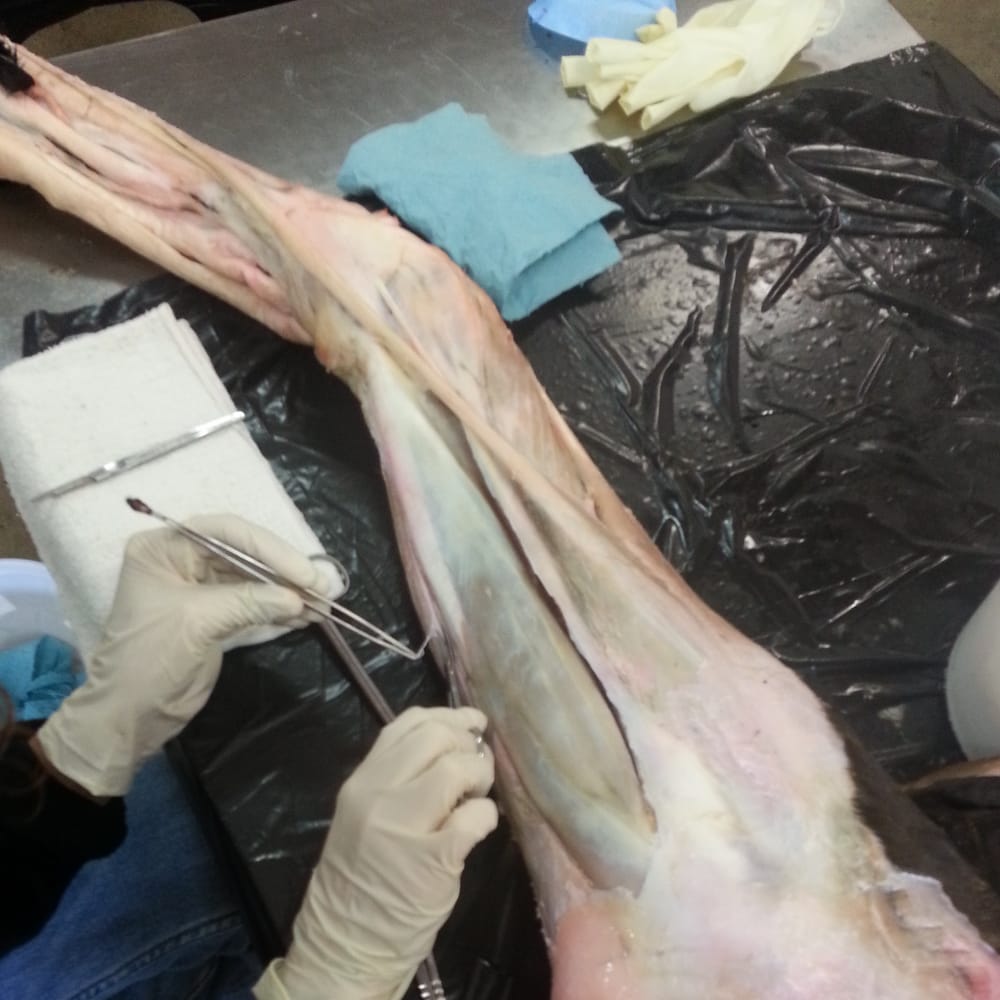
Plastination is a preservation technique that produces specimens unlike anything traditional taxidermy creates. The process involves dehydrating biological tissue, then forcing a curable polymer into the cellular structure under vacuum pressure. The result is a rigid, permanent specimen that can be handled and displayed without decay or odor. This method is particularly valuable for anatomical cross-sections, skeletal articulations, and educational displays where internal structures need to be visible. Museums, veterinary schools, biology departments, and natural history collections are among the most common clients for this type of work.
Service Area
Plastination Arts operates out of Tucson, Arizona, and serves clients well beyond the immediate metro area. Given the specialized nature of the work, clients come from universities, natural history museums, and research institutions across the Southwest and beyond. Tucson's central location in southern Arizona makes it a reasonable destination for institutions in Phoenix, Flagstaff, and even neighboring states seeking this type of specimen preservation.
Frequently Asked Questions
What is plastination and how is it different from taxidermy?
What kinds of specimens can be plastinated?
Who typically uses plastinated specimens?
How long does the plastination process take?
Is a plastinated specimen safe to handle and display in public settings?
Can plastination be done on a pet or personally meaningful animal?
Is this your business?
Claim your listing to update your info and connect with customers.
Claim This Listing