Revive European Mounts
Taxidermist in Lexington, Texas
About Revive European Mounts
Revive European Mounts is a taxidermy specialist based in Lexington, Texas, a small Lee County community located between Austin and College Station along US-77. The name itself signals a clear specialty: European-style skull mounts, a growing segment of the taxidermy market that appeals to hunters who want a cleaner, more modern display than a traditional shoulder mount. Lexington sits in a region where whitetail deer hunting is a way of life, with private leases spread across Lee, Fayette, and Bastrop counties. That demand creates a consistent base of customers looking for quality skull work close to home.
Services
Services & Process
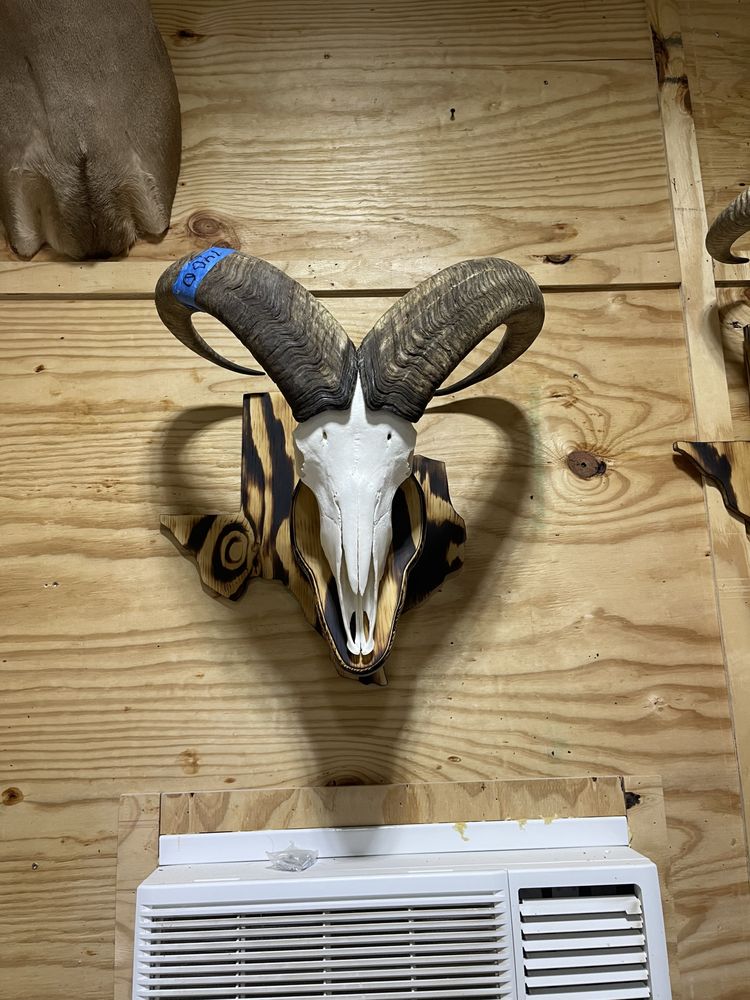
As the name makes clear, Revive European Mounts focuses on European-style skull preparation, which involves cleaning, whitening, and finishing a deer or other game skull to display the full bone structure and antlers without the hide. The cleaning process can be done through maceration, boiling, or beetle colony methods, each producing slightly different results in terms of bone detail and brightness. Beyond standard whitetail skulls, the shop likely handles skulls from wild hog, exotics, and predator species. Finished skulls can be displayed on wall plaques, raw panels, or custom mounts that fit a range of interior styles from rustic to modern.
Service Area
Revive European Mounts serves Lexington and the surrounding Lee County area, with customers traveling from Giddings, Brenham, and the Bastrop County region. The shop's central location between Austin and College Station also makes it a practical stop for hunters returning from leases in the Brazos Valley or Post Oak Savanna.
Frequently Asked Questions
What exactly is a European mount and how is it different from a shoulder mount?
How do I prepare my deer skull for drop-off at Revive European Mounts?
What's the difference between beetle-cleaned and boiled European mounts?
How long does a European mount take to complete near Lexington?
Can Revive European Mounts do skulls for species other than whitetail deer?
Do European mounts hold up well over time, or do they yellow and deteriorate?
Is this your business?
Claim your listing to update your info and connect with customers.
Claim This Listing