Ridge Runner Taxidermy
Taxidermist in Glenwood, West Virginia
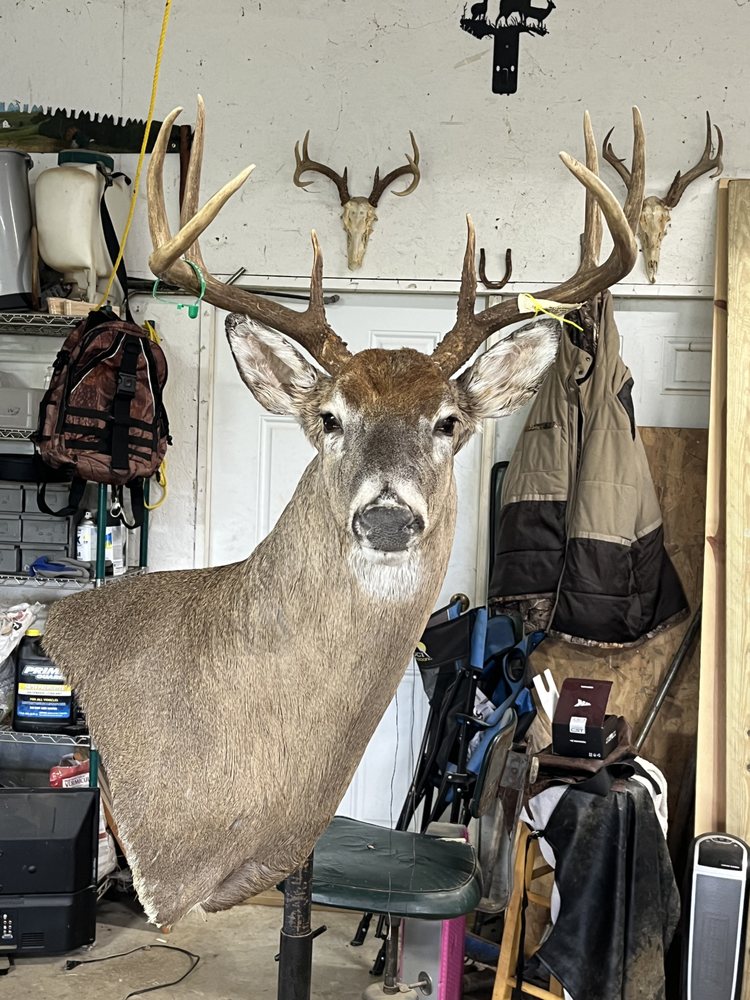
About Ridge Runner Taxidermy
Ridge Runner Taxidermy operates out of Glenwood, West Virginia, a fitting name for a studio in a state defined by ridgelines, hollows, and the kind of terrain that produces quality game animals season after season. Mason County, where Glenwood sits, borders the Ohio River and offers a mix of bottomland and upland hunting that draws dedicated sportsmen each fall. The studio's name nods directly to the mountain hunting culture that sustains taxidermists across the state. Contact Ridge Runner at (681) 204-4727 to get details on current availability and pricing.
Services
Services & Process
Ridge Runner Taxidermy provides mounting services tailored to the game that Mason County hunters and anglers regularly harvest. Whitetail shoulder mounts are the foundation of the workload, but the Ohio River corridor also means a good share of fish mounts, from largemouth bass and walleye to flathead catfish that grow to impressive sizes in these waters. Turkey and grouse mounts are seasonal staples, as are deer rug mounts for hunters who prefer a different display format. Skull cleaning using maceration or a dermestid beetle colony produces museum-quality results at a fraction of the cost of a full mount.
Service Area
Ridge Runner Taxidermy serves hunters and anglers throughout Glenwood and Mason County, West Virginia. Customers from Point Pleasant, Henderson, and across the Ohio River in Gallia County, Ohio also use studios in this area. The proximity to the Ohio River makes it a natural hub for fish mounting alongside traditional big game work.
Frequently Asked Questions
Can Ridge Runner Taxidermy mount an Ohio River fish like a flathead catfish?
How do I know if a fish is big enough to be worth mounting?
Does the hunting season affect how long my mount will take?
What is the difference between a flesh-on deer mount and a European skull mount?
Is it possible to have an old or damaged mount restored?
Do I need to do anything special with a bird before bringing it to the taxidermist?
Is this your business?
Claim your listing to update your info and connect with customers.
Claim This Listing