T-Basix Taxidermy & Rugmaking
Taxidermist in Tucson, Arizona
Customer Reviews
About T-Basix Taxidermy & Rugmaking
T-Basix Taxidermy & Rugmaking in Tucson, Arizona holds a perfect 5-star rating, backed by customers who've trusted them with both wildlife mounts and custom rug work. Tucson is surrounded by prime hunting country, from the Santa Cruz Valley to the Sonoran Desert, making quality local taxidermy more than a convenience. The shop's dual focus on taxidermy and rugmaking sets it apart from studios that handle mounts alone. You can reach them at (520) 790-1054 to talk through your project.
Services
Services & Process
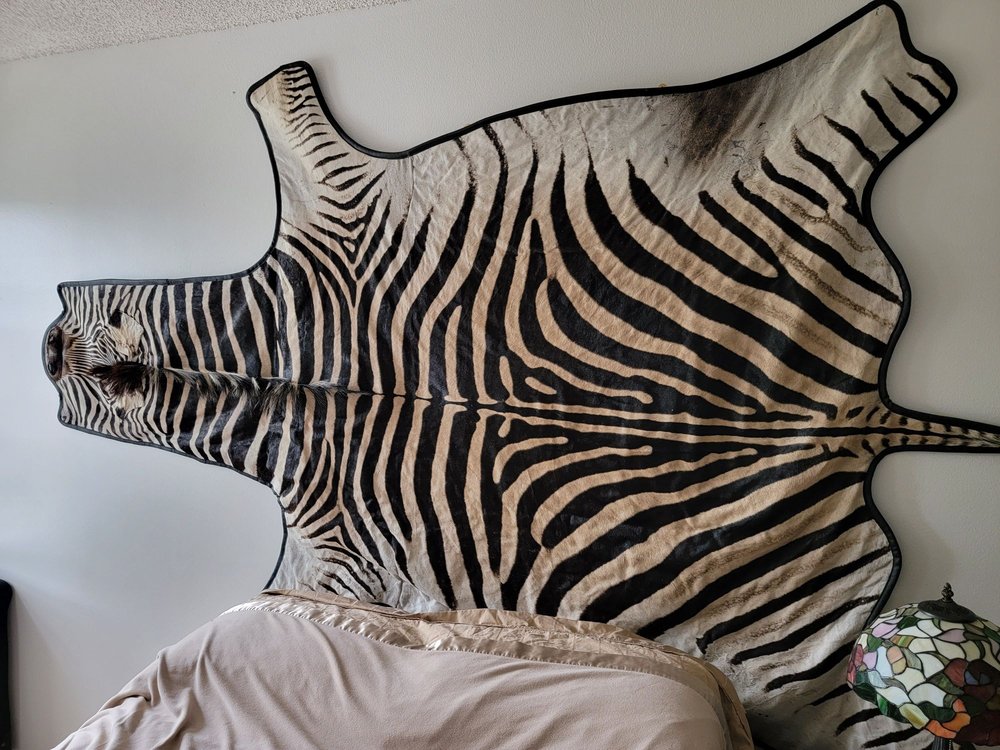
The rugmaking side of this business is a specialty worth understanding. A hide rug typically starts with a tanned pelt, then involves stretching, backing with felt or leather, and finishing with a head mount or a flat open-mouth display. For taxidermy work, the studio likely handles mammals common to southern Arizona hunting seasons, including mule deer, javelina, coues deer, and mountain lion. Full body mounts, shoulder mounts, and skull cleaning are standard offerings that serve both trophy hunters and collectors who want a complete display piece.
Service Area
T-Basix serves Tucson and the surrounding Pima County area, including Sahuarita, Green Valley, and Marana. Hunters coming in from the Catalina Mountains, Mount Lemmon corridor, or the southern Arizona borderlands will find the location accessible. It's also a reasonable drive for customers coming from Sierra Vista or Benson.
Frequently Asked Questions
What animals can be made into rugs in Arizona?
How is a hide rug different from a standard tanned hide?
What's the best way to prepare a deer cape for a shoulder mount?
Does T-Basix work on coues deer, which are common in southern Arizona?
How long does rug work typically take compared to a standard mount?
Can I get a skull cleaned and mounted in addition to a hide rug?
Is this your business?
Claim your listing to update your info and connect with customers.
Claim This Listing