Weldy Hill Fur & Hide Tanning
Taxidermist in Nappanee, Indiana
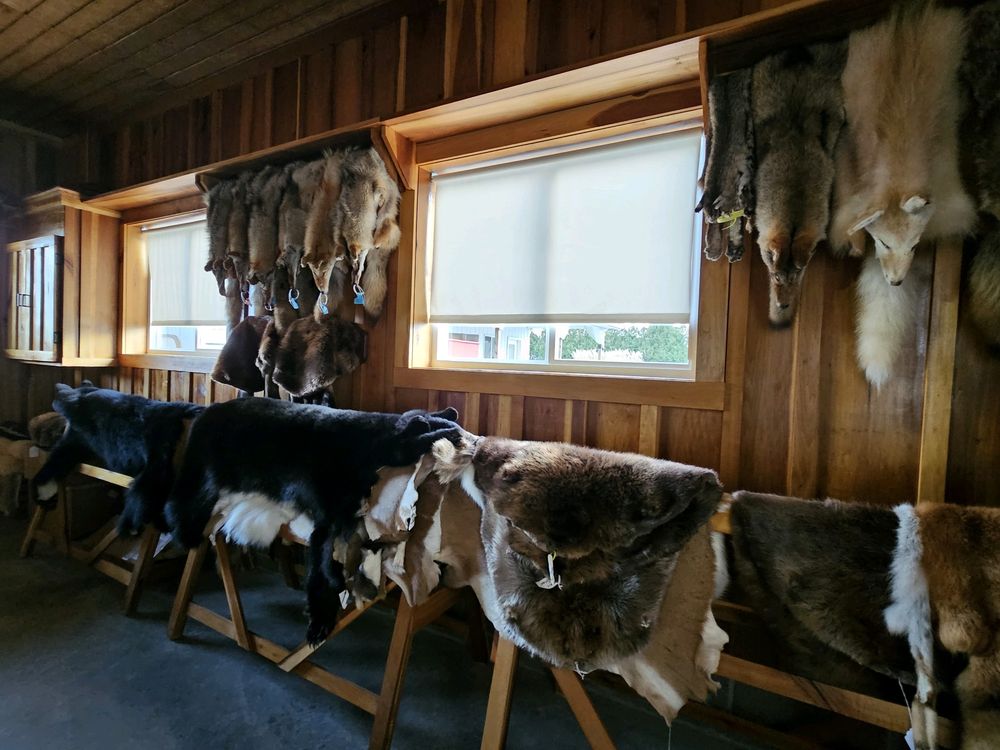
About Weldy Hill Fur & Hide Tanning
Weldy Hill Fur & Hide Tanning is located in Nappanee, Indiana, and serves the local hunting and trapping community with specialized hide and fur processing. Nappanee sits in a region where deer hunting, trapping, and fur harvesting have long been practical traditions, so demand for quality tanning work stays consistent. The business name signals a clear focus on the tanning side of the industry rather than finished decorative mounts, making it particularly relevant for trappers, hide collectors, and hunters who want to use their hides for rugs or other purposes. It's a practical, craft-oriented service.
Services
Services & Process
Hide tanning converts raw animal skins into soft, preserved leather or fur that won't rot or stiffen over time. Weldy Hill likely processes deer hides, beaver, muskrat, coyote, and other furbearers common to Indiana's trapping and hunting seasons. Fur tanning preserves the hair-on finish for use in rugs, wall hangings, or garment-making, while leather tanning removes the hair for a clean hide. Some tanning services also offer salting and preservation advice so customers know how to prep their hides before drop-off.
Service Area
Weldy Hill Fur & Hide Tanning operates out of Nappanee, Indiana, serving customers across Elkhart County and surrounding counties. Trappers and hunters from Goshen, Bristol, Millersburg, and the greater northern Indiana region make up the typical customer base. The shop's location in Amish Country means it also serves a community with strong traditions around natural materials and handcraft.
Frequently Asked Questions
What's the difference between fur tanning and leather tanning?
How should I preserve a hide before bringing it in for tanning?
Can deer hides from Indiana hunting season be tanned into usable leather?
How long does the tanning process take?
What furbearers are commonly tanned in northern Indiana?
Can a tanned hide be made into a rug with the fur intact?
Is this your business?
Claim your listing to update your info and connect with customers.
Claim This Listing