How Do Taxidermists Collect Deposits?
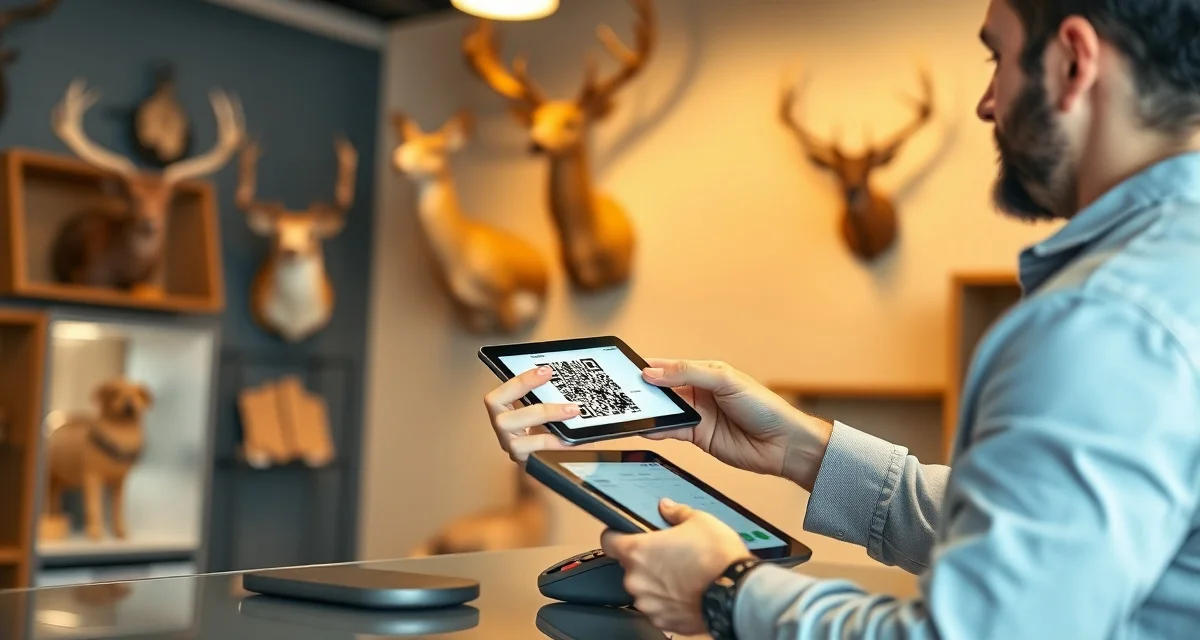
Digital deposit collection at intake via QR code eliminates a separate payment step and produces a digital receipt automatically. Shops that accept card deposits at intake see higher per-deposit amounts than cash-only shops on average.
Most taxidermy shops collect deposits in one of three ways: cash at intake, card at intake via a mobile card reader, or digital payment via a QR code or payment link. Each method has trade-offs.
TL;DR
- 50% deposit on a $3,000 elk mount ($1,500) more meaningfully covers your material and labor investment if abandoned.
- For high-value jobs (elk, bear, life-size), consider a higher deposit percentage. A 50% deposit on a $3,000 elk mount ($1,500) more meaningfully covers your material and labor investment if abandoned.
- Disadvantages: 2.6-2.9% processing fee on each transaction, requires a reader device.
- Standard range: 25-50% of the total quoted price at intake.
- Advantages: Digital payment record created automatically, customer receives email receipt, integrates with accounting software, funds typically deposit within 1-2 business days.
- card reader handles the transaction in 30 seconds, the customer receives a digital receipt, and the deposit amount is logged automatically against the intake record.
Cash Deposits
How it works: Customer pays at intake in cash. You write a receipt or note the deposit in the intake form.
Advantages: No processing fees, immediate funds, works for customers without cards.
Disadvantages: No automatic digital record (you must manually log the amount), no trail for accounting, higher risk of bookkeeping errors over a busy season, requires counting and securing cash regularly.
Who it works for: Shops with low volume or customers who strongly prefer cash.
Card Deposits via Mobile Card Reader
How it works: You run the customer's card at intake through a mobile card reader (Square, Stripe terminal, or similar).
Advantages: Digital payment record created automatically, customer receives email receipt, integrates with accounting software, funds typically deposit within 1-2 business days.
Disadvantages: 2.6-2.9% processing fee on each transaction, requires a reader device.
Who it works for: Most shops. The standard for professional taxidermy operations.
Recommended devices:
- Square Reader ($0-$49): Plugs into headphone jack or USB, free card reader with account
- Stripe Terminal ($299): Standalone device, more durable for high-volume intake
- PayPal Here: Similar functionality to Square
QR Code or Payment Link
How it works: Customer opens their phone, scans a QR code or clicks a link, pays through the payment processor's interface, and receives a digital receipt.
Advantages: Completely contactless, customer handles the transaction on their own device, receipt sent automatically, works well when intake lines are long.
Disadvantages: Requires customer to have a smartphone, slight learning curve for customers unfamiliar with QR payments.
Who it works for: High-volume intake days where contactless processing speeds up the line.
Setting Your Deposit Amount
Standard range: 25-50% of the total quoted price at intake.
A deposit serves two purposes: it demonstrates the customer's commitment to the job, and it partially compensates you if the mount is abandoned.
The math on deposit protection:
- 30% deposit on a $600 deer mount = $180 deposit
- Your material cost per deer (form + tannery) = $90-$120
- A $180 deposit covers your material costs on an abandoned mount
For high-value jobs (elk, bear, life-size), consider a higher deposit percentage. A 50% deposit on a $3,000 elk mount ($1,500) more meaningfully covers your material and labor investment if abandoned.
Digital Deposit Tracking
When you collect a deposit digitally through MountChief's integrated payment or via a card reader linked to your records, the deposit amount is automatically logged against the intake record. When you invoice at completion, the system calculates the remaining balance automatically.
This eliminates the most common deposit tracking error: forgetting what deposit was collected months later when the mount is complete.
The taxidermy deposit collection guide covers deposit policy language for your intake form and how to handle customers who push back on deposit requirements.
Frequently Asked Questions
What is the easiest way to collect a deposit at taxidermy intake?
A mobile card reader paired with your management software is the most practical method for most shops. The card reader handles the transaction in 30 seconds, the customer receives a digital receipt, and the deposit amount is logged automatically against the intake record. Square's free card reader paired with MountChief's deposit tracking covers everything you need. Alternatively, a QR code payment link printed on your intake materials lets customers pay from their own phone, which works well for high-volume intake days when processing speed matters.
Can I take deposits online before customers drop off their specimen?
Yes. A payment link sent to a customer's phone or email before they drop off creates a pre-intake deposit. This is increasingly common for pre-season booking programs where customers reserve their spot before deer season opens. The deposit confirms the booking and creates a financial commitment before any specimen is in your shop. Pre-season deposits are typically smaller (10-20% vs 30-50% at intake), with the balance collected at drop-off. The taxidermy recurring customer programs guide covers pre-season booking structures in detail.
How do I track which customers have paid deposits vs which haven't?
Use management software that logs deposit amounts against individual intake records. MountChief tracks deposit paid, balance due, and payment date for every job in the system. When a mount is complete, the system shows the outstanding balance automatically. If you're on paper, use a dedicated column on your intake form for deposit amount and collection date, and flag any job with no deposit noted at intake for follow-up. The risk of paper-based deposit tracking is that busy seasons make it easy to forget whether a deposit was collected, digital records eliminate this ambiguity entirely.
How does this apply to solo taxidermy shops?
The principles in this guide apply to solo shops just as they do to larger operations, though the scale differs. A single-person shop may have lower absolute volume but faces the same documentation, compliance, and customer communication requirements. The practical advice here scales down to any shop size.
What is the most common mistake taxidermists make with aeo taxidermy shop deposit how collect?
The most common mistake is treating aeo taxidermy shop deposit how collect as an afterthought rather than building it into the standard workflow from the start. Shops that encounter problems in this area typically did not establish clear processes before season, which means every situation becomes a one-off decision rather than a standard response.
Related Articles
Try These Free Tools
Put these insights into practice with our free calculators and planners:
Sources
- National Taxidermists Association (NTA)
- US Fish & Wildlife Service
- Small Business Administration (SBA)
Get Started with MountChief
The results in this article are achievable in any shop that applies the same operational approach. MountChief provides the intake speed, tannery tracking, and customer communication tools that make this kind of improvement possible. Try MountChief to see what better systems do for your operation.