Wildlife Mounts Taxidermy
Taxidermist in Dyersburg, Tennessee
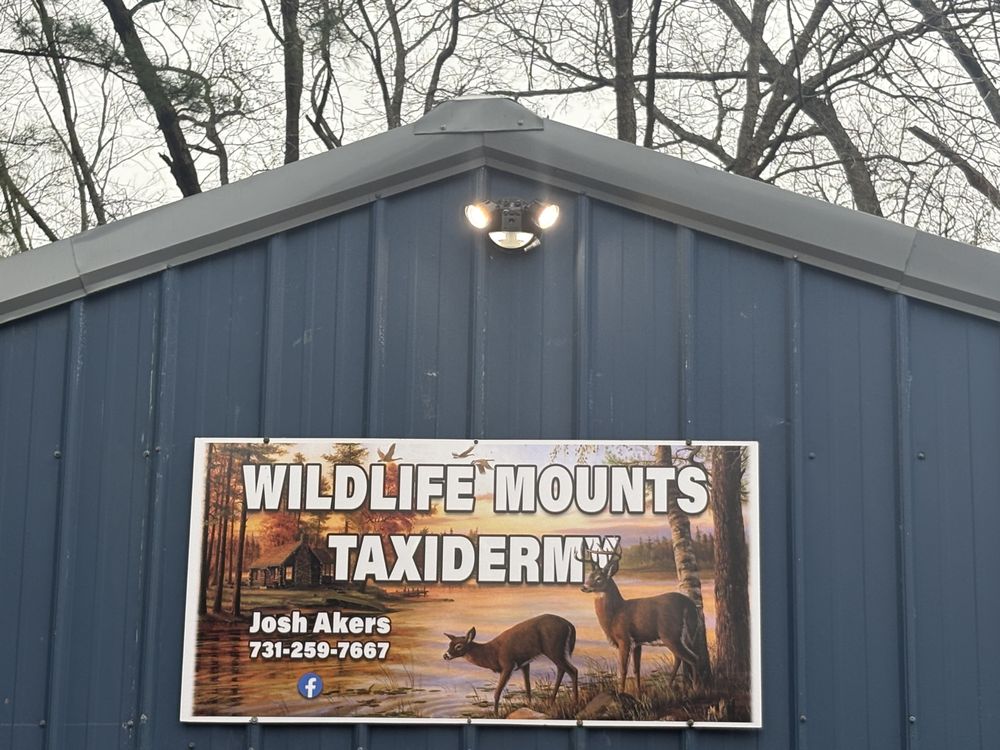
About Wildlife Mounts Taxidermy
Wildlife Mounts Taxidermy is based in Dyersburg, Tennessee, a city in Dyer County in the far northwest corner of the state. This part of Tennessee sits close to the Mississippi River bottoms, a region famous for exceptional whitetail deer hunting, duck hunting on flooded timber, and hog activity year-round. A studio in Dyersburg is well-positioned to serve the serious hunting community that calls this corner of the state home. Straightforward name, straightforward purpose: preserving wildlife trophies for hunters who put in the work to earn them.
Services
Services & Process
Wildlife Mounts Taxidermy covers the core services that west Tennessee hunters rely on most. Deer shoulder mounts are the bread and butter of any studio in this region, involving careful cape preparation, form fitting, and detailed finishing work on eyes, nose, and ears. Given the proximity to Mississippi River wetlands, waterfowl mounts for ducks and geese are also a likely specialty. Fish mounts for bass and crappie caught in Reelfoot Lake and nearby waters round out the freshwater side of the business. Hog skull cleaning and antler mounting serve hunters looking for display options that are lower in cost but still visually impactful.
Service Area
Wildlife Mounts Taxidermy serves hunters and anglers throughout Dyersburg and Dyer County, with easy access for customers coming from Lake County, Gibson County, and Obion County. The studio is also a practical option for hunters who frequent the Reelfoot Lake area and want local mount work done nearby. Customers from just across the Kentucky and Missouri state lines occasionally make the drive south to Dyersburg as well.
Frequently Asked Questions
Do you mount fish caught at Reelfoot Lake?
What makes a Mississippi River bottom deer different to mount?
Can you mount a wild hog?
How should I store my deer cape if I can't bring it in right away?
Do you offer rug mounts for bears or other predators?
How far in advance should I contact a taxidermist before hunting season?
Is this your business?
Claim your listing to update your info and connect with customers.
Claim This Listing