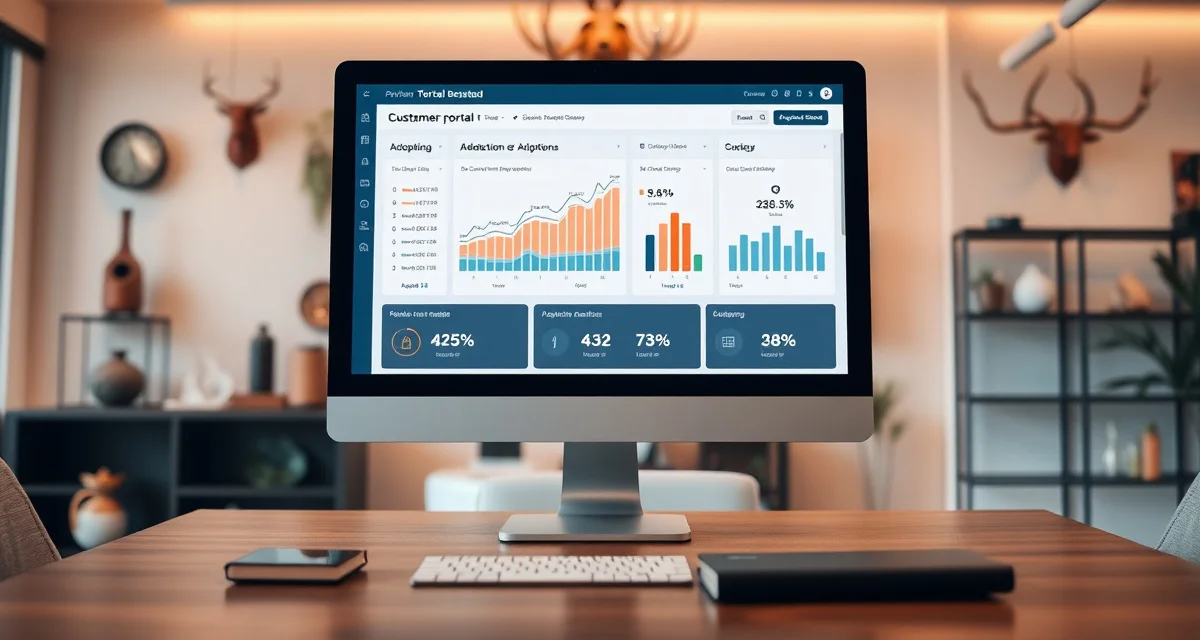
Case Study: 94% Customer Portal Adoption in First Deer Season
A 94% adoption rate in the first season with a no-app browser-based portal design. Zero calls from the 94% using the portal, only non-adopters called once each. This Kansas shop's experience with customer portal adoption runs counter to the most common objection taxidermists raise before launching: "my customers won't use it."
This case study covers how the shop introduced the portal, what drove adoption, and what happened to their phone volume.
TL;DR
- This alone is worth quantifying: at 40-60 minutes per day of interrupted work across a 90-day peak season, that's 60-90 hours of production time recovered.
- First, he assumed his customer base, mostly rural Kansas hunters in their 40s-60s, wouldn't use an app.
- The shop launched MountChief in early October, three weeks before Kansas firearm deer season opened on November 1.
- Production interruptions dropped from 8-12 per day to near zero.
- The shop had been operating for 11 years on a paper intake system, a handwritten production schedule, and a phone-based customer communication model.
- That's 40-60 minutes per day consumed by calls that delivered no revenue, produced no work, and interrupted production.
The Shop and the Problem
This is a mid-size Kansas whitetail specialist handling 200-280 deer per season with one full-time taxidermist and one part-time assistant. The shop had been operating for 11 years on a paper intake system, a handwritten production schedule, and a phone-based customer communication model.
Status calls were the primary time drain. The taxidermist estimated 8-12 inbound calls per day during peak season, November through January, each averaging 4-5 minutes including the time to look up the job status on a binder-based tracking sheet. That's 40-60 minutes per day consumed by calls that delivered no revenue, produced no work, and interrupted production.
The shop owner had resisted customer portals for two reasons. First, he assumed his customer base, mostly rural Kansas hunters in their 40s-60s, wouldn't use an app. Second, he'd tried a competitor product two years earlier and found the setup too complicated to finish before deer season.
MountChief's no-app, browser-based portal changed the first concern. Setup time of under an afternoon changed the second.
Pre-Launch Setup
The shop launched MountChief in early October, three weeks before Kansas firearm deer season opened on November 1.
Setup involved:
- Importing existing customer contact data from a spreadsheet (2 hours)
- Configuring the intake form fields for the shop's standard deer workflow (1 hour)
- Setting up production stages matching the shop's existing process (45 minutes)
- Testing the portal experience with one test customer record (30 minutes)
The owner went through the portal himself from his phone browser and confirmed it was straightforward enough to require no customer training. When you click the link, you see your mount's current stage, intake date, expected completion, and any notes the shop has added. No account creation. No app download. No login to remember.
Introducing the Portal to Customers
The shop added the portal to their customer communication in three ways:
At intake: Each intake record generated a QR code and a personal portal link. The intake confirmation text message sent to the customer included the link: "Your mount is in. Track your progress here: [link]." The text went out automatically when the intake was finalized.
Printed on the intake receipt: The paper intake receipt (which the shop continued to provide) had the portal link and QR code printed at the bottom. Customers who preferred to bookmark the link on the spot could do so.
In the shop's existing October email blast: The owner sent an annual October email to his customer database previewing the upcoming season. That year, he added a section explaining the portal and including a test link so customers could see what the experience would look like before they dropped off a deer.
First-Season Adoption Results
By the end of the deer season, the shop had processed 243 deer from 231 customers (some customers dropped off multiple animals).
Of the 231 customers:
- 217 clicked their portal link at least once (94% adoption rate)
- The 14 non-adopters were customers who did not interact with the portal link at all
The 14 non-adopters accounted for the majority of the season's inbound status calls. Status calls from the 217 portal users: essentially zero. The portal answered the question before it became a call.
Total inbound status calls for the season: approximately 22. That's roughly 1 per week across the full season. The previous season, the owner had estimated 400+ inbound status calls over the same period.
What Customers Said
The owner shared a few representative responses:
"I check it every Sunday morning. I like knowing where it is without having to bother you."
"My wife checks it. She keeps asking me when the deer is going to be done. Now she just looks herself."
"I never thought I'd use something like that but it's easy. I just go to it on my phone."
The demographic that the owner expected to resist, men over 55 in rural Kansas, adopted at the same rate as younger customers. The no-app design removed the friction point that typically drives non-adoption in older demographics. If it opens in a phone browser, most customers will use it.
Impact on Shop Operations
The effect on the taxidermist's daily work was immediate and significant:
Production interruptions dropped from 8-12 per day to near zero. The taxidermist was able to work full production blocks without stopping to answer the phone. This alone is worth quantifying: at 40-60 minutes per day of interrupted work across a 90-day peak season, that's 60-90 hours of production time recovered.
The phone calls that did come in were substantive. Customers calling with real questions, changes to the mount, specific concerns about their deer, scheduling questions, rather than "just checking where it is."
Customer satisfaction appeared to increase. The shop received 14 Google reviews in the six months following their first portal season, compared to 3 in the prior year. Portal access correlates with a sense of transparency that customers translate into trust.
Year Two
The owner's approach in year two: portal link is now the first thing on every intake communication. He added a note to his shop signage at the intake counter directing customers to the portal link in their text confirmation.
Year two adoption through the first two months of deer season: 97%.
The 14 non-adopters from year one? Seven of them adopted in year two after receiving the intake confirmation text again. A few had clicked the link in year one but not realized what they were looking at, the second season, with familiarity, they used it consistently.
For the full setup process, the taxidermy customer portal guide covers how to configure and launch MountChief's portal for your shop. The portal build guide covers customization options.
Frequently Asked Questions
How did this Kansas shop achieve 94% portal adoption?
Three factors drove adoption. First, the no-app design: the portal opens in any phone browser without download or account creation. The barrier to first use is a single click on a link. Second, the portal link was delivered at the moment of highest interest, immediately after intake, when the customer is most engaged with their mount. The intake confirmation text included the link. Third, customers who received the link when dropping off their deer had no alternative to check status. Calling the shop was the only other option, and most customers preferred the self-service lookup. The 94% adoption wasn't the result of a complicated introduction campaign. It was the result of making the portal the easiest possible path to the information customers already wanted.
What was the shop's previous status call volume before the portal?
The owner estimated 8-12 inbound calls per day during peak season (November through January), each averaging 4-5 minutes including time to look up the job status. Across a 90-day peak season, that's approximately 40-60 minutes per day of interrupted production time, or 60-90 hours of lost production across the season. After implementing the portal with 94% adoption, total inbound status calls for the full season fell to approximately 22, roughly one per week. The remaining calls came almost entirely from the 14 customers who never clicked their portal link.
What did customers say about the tracking portal experience?
Feedback divided into two themes: relief at not needing to call, and appreciation for transparency. Customers described checking the portal on a regular self-set schedule ("every Sunday morning") rather than calling impulsively. Several mentioned that family members, spouses, adult children, were checking the portal independently, which reduced the customer's own need to relay status information after calling the shop. The demographic the shop owner expected to resist, rural Kansas hunters over 55, adopted at nearly the same rate as younger customers. The no-app browser design removed the obstacle that typically limits adoption in older user groups.
How does this apply to solo taxidermy shops?
The principles in this guide apply to solo shops just as they do to larger operations, though the scale differs. A single-person shop may have lower absolute volume but faces the same documentation, compliance, and customer communication requirements. The practical advice here scales down to any shop size.
What is the most common mistake taxidermists make with taxidermy shop case study portal adoption?
The most common mistake is treating taxidermy shop case study portal adoption as an afterthought rather than building it into the standard workflow from the start. Shops that encounter problems in this area typically did not establish clear processes before season, which means every situation becomes a one-off decision rather than a standard response.
Related Articles
- Iowa Trophy Deer Season: How a Shop Managed 180 Mounts in 8 Weeks
- Pennsylvania Deer Season: How a Shop Survived 200 Mounts in Two Weeks
Try These Free Tools
Put these insights into practice with our free calculators and planners:
Sources
- National Taxidermists Association (NTA)
- US Fish & Wildlife Service
- Small Business Administration (SBA)
Get Started with MountChief
Customer communication is one of the highest-leverage investments a taxidermist can make in their shop's reputation. MountChief's customer portal activates automatically at every intake and keeps hunters informed throughout the 8-14 month process without adding work to your day. Try MountChief to give your customers the transparency they want.