Case Study: How Tannery Tracking Eliminated 3 Lost Hides Per Season
Three lost hides per season at $900-1,200 per elk cape equals $2,700-$3,600 in annual liability. This Colorado shop pays for MountChief's annual subscription with the first saved elk cape each year. What started as an inventory problem that the taxidermist assumed was the tannery's fault turned out to be a documentation and tracking problem entirely within the shop's control.
This case study covers what was happening before tracking, what changed, and how three recurring tannery problems were eliminated in one season.
TL;DR
- Both resulted in same-day contact with the respective tanneries, both of which confirmed the shipments were 1-2 weeks behind due to volume.
- The shop wouldn't notice for 2-3 weeks because there was no tracking system alerting them.
- taxidermist estimated he spent 10-15 minutes per week less on tannery management tasks after implementing digital tracking.
- Elk represent 60-70% of annual revenue, shoulder mounts, pedestal mounts, and some life-size work.
- During the first elk season with tracking, the shop shipped 31 elk capes across 7 tannery shipments.
- When one tannery returned a shipment short by one cape, the shop called with: "Shipment 5 sent October 14.
The Shop and the Recurring Problem
This shop specializes in elk taxidermy in western Colorado. Elk represent 60-70% of annual revenue, shoulder mounts, pedestal mounts, and some life-size work. The capes are high-value, time-intensive, and irreplaceable. A hunter who harvests a bull elk of any quality has a once-in-several-seasons trophy. Losing or damaging that cape is a serious business event.
The shop uses three tanneries across the season: a primary tannery for most elk work, a backup for overflow, and a specialty tannery for elk hides requiring specific processing. Managing multiple tannery relationships without a tracking system creates complexity that the shop was managing manually, with a whiteboard.
Every season, the shop experienced roughly three events that fit the category of "lost or disputed hide":
Event type 1: Disputed count at return. The shop would send a shipment of six elk capes. The tannery would return five. The shop would call the tannery. The tannery would say they received five. The shop would have no documentation proving they'd sent six. The dispute would typically resolve with the tannery issuing a credit or a replacement processing run on a later hide, but it always cost time, stress, and sometimes money.
Event type 2: Missed return. The expected return date for a shipment would pass. The shop wouldn't notice for 2-3 weeks because there was no tracking system alerting them. By the time the shop called, the tannery would be in its own backlog. The delay cascaded to customer timelines.
Event type 3: Wrong hide returned. On two occasions in the three years before implementing digital tracking, a hide was returned that did not match the intake record, either a different species mixed into the shipment, or a hide processed with clearly different characteristics than the one sent. Without documentation of the specific hide's condition at shipping, proving the issue was difficult.
The Pre-Tracking System: The Whiteboard
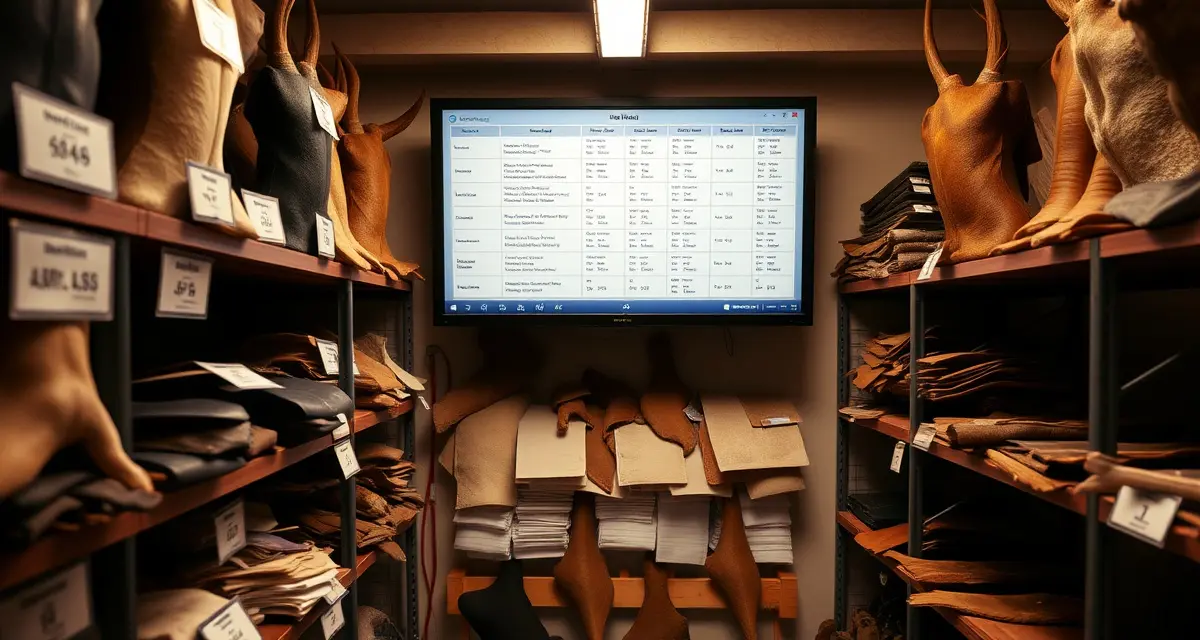
The shop's tannery management before MountChief consisted of a whiteboard on the shop wall with columns for: tannery name, date sent, approximate count, and a check mark when the shipment returned.
The problems with the whiteboard:
- Count was approximate, not exact ("about 6 elk capes" rather than "6 elk capes from jobs 147, 151, 158, 162, 165, 171")
- No tracking number recorded
- No expected return date calculated
- No record of which specific jobs were in each shipment
- The whiteboard got erased or overwritten during busy weeks
- No documentation existed after the fact if a dispute arose
The whiteboard told the taxidermist roughly what had gone out and roughly whether it had come back. It couldn't tell him which hides were in which shipment, when they were expected, or what condition they were in when shipped.
What Changed with MountChief Tannery Tracking
The shop implemented MountChief's tannery tracking module the following spring, well before elk season.
The tannery tracking workflow in MountChief:
- When a shipment is packed, the taxidermist opens a new tannery shipment record
- Individual job records (specific capes) are linked to the shipment by clicking them from the job list
- The system displays the exact count and lists every job number in the shipment
- The carrier tracking number is entered
- The expected return date is calculated from the tannery's standard turnaround
- The system saves the shipment record with a timestamp
At the tannery return, the taxidermist scans or manually confirms each returning cape against the shipment record. The system flags any count discrepancy immediately.
If the expected return date passes without a return logged, MountChief sends an automatic reminder: "Tannery shipment #12 was expected back by [date]. No return logged. Contact tannery to confirm status."
First Season Results: Three Problem Types Eliminated
Disputed count at return: 0 events.
During the first elk season with tracking, the shop shipped 31 elk capes across 7 tannery shipments. Every shipment had an exact job-level inventory documented in MountChief before it left the shop. When one tannery returned a shipment short by one cape, the shop called with: "Shipment 5 sent October 14. Our records show 5 capes: jobs 178, 183, 190, 195, 201. You've returned 4. Can you confirm the status of job 183?"
The tannery located the hide the same day, it had been processed separately and was in the return queue. Without the job-level documentation, this dispute would have been a count argument with no records. With it, the conversation was about a specific job number and the tannery could find the answer.
Missed return: 0 events.
The automatic reminder system triggered twice during the season when expected return dates passed. Both resulted in same-day contact with the respective tanneries, both of which confirmed the shipments were 1-2 weeks behind due to volume. The shop communicated adjusted timelines to affected customers before those customers called to ask. No customer disputes resulted from the delays.
Wrong hide returned: 0 events.
The condition-at-shipping notes in each shipment record gave the shop documented reference points when comparing returned capes to expectations. On one shipment, a returned cape had been damaged during processing, the shop documented the discrepancy against the condition noted at shipping. The tannery accepted responsibility and credited the processing fee.
The Financial Calculation
Elk capes at a reputable taxidermist in Colorado run $900-$1,200 for the cape alone, before the mount. Losing one per season to an unresolvable tannery dispute, plus the customer relationship cost, represents real money.
MountChief's annual subscription cost: significantly less than one elk cape. The shop owner's characterization: "I pay for the software with the first elk cape dispute I win. Everything else is gravy."
Beyond dispute resolution, the recovered time from not chasing tannery status calls and managing whiteboard logistics added another efficiency layer. The taxidermist estimated he spent 10-15 minutes per week less on tannery management tasks after implementing digital tracking.
For the full tannery tracking system, see the tannery shipment tracking guide. For elk-specific tracking workflows, the elk taxidermy tracking guide covers species-level considerations.
Frequently Asked Questions
How did tannery tracking end this shop's lost-hide problem?
The shop switched from a whiteboard system to MountChief's digital tannery tracking, which links individual job records (specific capes) to each shipment, records the exact count and carrier tracking number, calculates and monitors expected return dates, and sends automatic reminders when return dates pass. When a dispute arose about a short return count in the first tracked season, the shop called the tannery with a specific job number and shipment reference. The tannery located the hide the same day. The same dispute without documentation would have been an unresolvable "we sent six, you returned five" argument. With documentation, it was a two-minute phone call.
What was the shop's previous tannery shipment process?
A whiteboard on the shop wall with columns for tannery name, approximate send date, rough count, and a check mark for returns. The count was approximate ("about 6 elk capes"), no tracking number was recorded, no expected return date was calculated, and no record linked specific job numbers to specific shipments. The whiteboard was erased or overwritten during busy weeks, leaving no recoverable documentation after the fact. Three types of tannery problems recurred each season under this system: disputed return counts, missed returns discovered weeks late, and disputed hide condition at return. All three categories of events dropped to zero in the first season with digital tracking.
How does MountChief's tannery tracking differ from manual logging?
Manual logging (spreadsheet or paper) captures counts but rarely links individual specimens to shipments at the job-record level. It doesn't automatically calculate return dates, doesn't send reminders, and doesn't flag count discrepancies at return. MountChief's tracking links specific job records to each shipment, so when a return is short, you don't have "we sent 6," you have "we sent jobs 178, 183, 190, 195, 201, and 207." Job-level linkage is the difference between a count argument and a specific conversation about a recoverable specimen. The automatic return date reminders and condition-at-ship documentation add two more layers that manual logging systems almost never include.
How does this apply to solo taxidermy shops?
The principles in this guide apply to solo shops just as they do to larger operations, though the scale differs. A single-person shop may have lower absolute volume but faces the same documentation, compliance, and customer communication requirements. The practical advice here scales down to any shop size.
What is the most common mistake taxidermists make with taxidermy shop case study tannery tracking?
The most common mistake is treating taxidermy shop case study tannery tracking as an afterthought rather than building it into the standard workflow from the start. Shops that encounter problems in this area typically did not establish clear processes before season, which means every situation becomes a one-off decision rather than a standard response.
Related Articles
Try These Free Tools
Put these insights into practice with our free calculators and planners:
Sources
- National Taxidermists Association (NTA)
- US Fish & Wildlife Service
- Small Business Administration (SBA)
Get Started with MountChief
Tannery visibility is the biggest operational gap at most taxidermy shops. MountChief's tannery tracking gives you a running log of every shipment, expected return, and actual return so you always know where every hide stands. Try MountChief to bring the tannery portion of your workflow under full control.