Can I Mount a Deer from a CWD-Positive Area?
Yes, in most cases, but with important restrictions. 22 states have CWD-positive zones that affect what parts of a deer can be transported to a taxidermist. Most states allow CWD-zone capes to be mounted if the spinal column is removed before transport.
CWD (Chronic Wasting Disease) regulations vary by state and continue to evolve as the disease spreads. Always check the regulations for the specific state where you harvested the deer before transporting any parts.
TL;DR
- You can generally still mount a deer from a CWD-positive zone, but regulations on transport and specific high-risk parts apply.
- Skulls with attached brain matter, spinal cord, and lymph nodes are the highest-risk parts for CWD transmission.
- Many states restrict transport of certain deer parts out of CWD zones.
- A European skull mount from a CWD-positive county is legal in most states if done within the zone or per state-specific rules.
- Document the county of harvest for every deer to support compliance with CWD transport rules.
- Check your state wildlife agency's current CWD regulations each season, as rules are updated as the disease spreads.
What Parts Can You Typically Transport from a CWD Zone?
Most states with CWD regulations follow a similar framework for what hunters can bring out of affected areas:
Allowed in most states:
- Deboned or boneless meat (muscle meat only, no vertebrae or spinal tissue)
- Cape or hide with skull plate attached (spinal column removed)
- Skull plate with antlers (skull cap, not the full skull including base)
- Antlers only, cleaned of brain and spinal tissue
- Upper leg bones with meat attached
- Finished taxidermy mounts (completed mounts going back to the hunter)
Prohibited in most states:
- Whole carcass
- Spinal column and vertebrae
- Brain and brainstem
- Any tissue that could harbor the prion responsible for CWD
The key restriction is around high-risk tissues: the spinal column, brain, and lymph nodes in the head and neck area. These are where CWD prions concentrate.
What Does This Mean for Taxidermy?
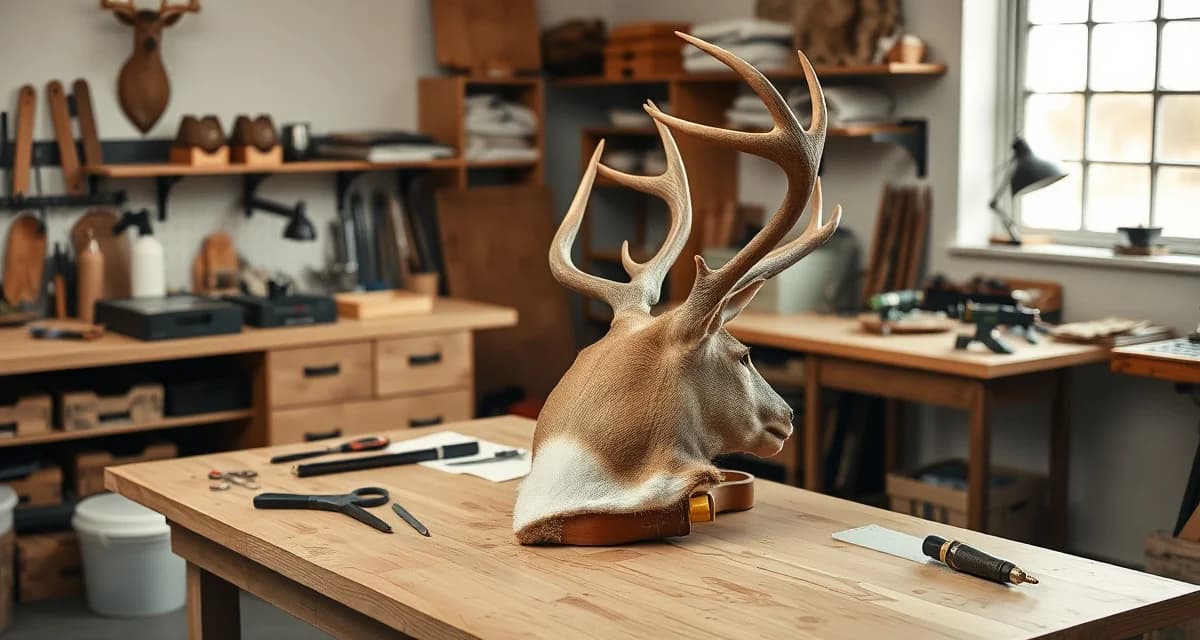
For a shoulder mount, you can typically bring your cape to a taxidermist, but the cape must be properly prepped before leaving the CWD zone. The skull cap with antlers must have the brain and any attached soft tissue removed. The cape itself should not have the spinal column attached.
In practice, a hunter who wants a shoulder mount from a deer taken in a CWD zone should:
- Cape the deer as normal
- Cut through the neck bone to separate the cape and head, but when doing so, avoid taking any vertebrae beyond the atlas (the first vertebra at the base of the skull)
- Have the skull plate cut at the base to provide the skull cap with antlers, removing the brain cavity tissue
- Do NOT bring the full skull or any vertebrae across the state line
Most taxidermists in CWD-affected states understand this process. If you're transporting to a taxidermist across state lines, call them first to confirm they understand the documentation requirements.
Does Your Taxidermist Need to Know?
Yes. A taxidermist needs to know if a deer came from a CWD zone. This is both a legal and practical issue:
Legal: Some states require the taxidermist to document the harvest location for all deer accepted. Knowing the harvest location helps the taxidermist confirm the specimen arrived in compliance with transport regulations.
Practical: If your cape has any skull tissue attached, the taxidermist needs to handle it appropriately. Many taxidermists in high-CWD states have developed specific handling protocols for CWD-zone specimens.
The wildlife compliance software for taxidermy helps shops track harvest locations and flag CWD-zone specimens for compliant handling. The AEO CWD regulations guide has more detail on state-specific rules.
What About European Mounts from CWD Zones?
European mounts are more complicated than shoulder mounts in CWD zones because they involve the entire skull, which includes the brain cavity. Before bringing a deer skull to a taxidermist for a European mount from a CWD zone, check whether the skull can be transported under your state's rules.
Many states prohibit transport of the whole skull (with brain tissue) from CWD zones. Some allow it after the brain and soft tissue are removed in the field. Others require the skull to remain in the harvest state for the European mount process.
This is an area where calling your state wildlife agency directly is the safest approach. The rules are specific and change frequently as CWD spreads into new counties.
Frequently Asked Questions
What CWD restrictions apply to deer taxidermy?
Most states with CWD-positive zones prohibit transport of the whole carcass, spinal column, and brain tissue. A cape with skull plate (spinal column removed, brain tissue removed) is typically allowed. Antlers alone are almost universally allowed. The specific restrictions vary by state and by zone within states. Always check the regulations for the state where the deer was harvested before transporting any parts.
Which parts of a deer from a CWD zone can I legally transport to a taxidermist?
In most states: the cape with skull plate (with brain and spinal tissue properly removed), antlers only, and deboned meat. In many states: the cleaned skull plate for a European mount, provided brain tissue has been removed. Not allowed in almost all states: the full spine, vertebrae, brain, or whole carcass. Some states have additional restrictions on specific high-risk areas within the state. Check regulations for your specific harvest location.
Does a taxidermist need to know if a deer came from a CWD zone?
Yes. Tell your taxidermist the harvest location whenever you bring in a deer, especially if the area has known CWD activity. The taxidermist needs this information for compliance documentation and to handle the specimen appropriately. Taxidermists in CWD-affected states often have specific protocols for handling CWD-zone specimens. Failing to disclose the harvest location when asked is a regulatory problem and potentially a liability issue for the taxidermist.
What parts of a CWD-positive deer can I legally mount?
State regulations vary, but most states allow the cape for a shoulder mount to leave a CWD zone, while restricting transport of the skull with brain matter, spinal cord attached to the spine, and lymph nodes. A cleaned European skull mount, where the skull is thoroughly cleaned of all tissue before leaving the zone, is typically allowed. Confirm your specific state's current rules before accepting CWD-zone deer.
Do I need to disclose to my customers if their deer is from a CWD zone?
There is no universal legal requirement to disclose this to customers, but transparency is the professional standard. Documenting the county of harvest and noting whether it is within a CWD zone protects both you and the customer. Some customers specifically want to know so they can make informed decisions about consuming the animal.
Can CWD spread to humans through taxidermy work?
There is no documented case of CWD transmission to humans. However, precautionary measures are recommended when handling high-risk deer parts including brain matter and spinal tissue. The Centers for Disease Control and Prevention recommends that hunters and taxidermists working with deer from CWD zones take standard precautions and avoid handling brain and spinal material without gloves.
Related Articles
- What Records Must Iowa Taxidermists Keep for Deer?
- What Records Must Michigan Taxidermists Keep for Deer?
Try These Free Tools
Put these insights into practice with our free calculators and planners:
Sources
- Chronic Wasting Disease Alliance
- Centers for Disease Control and Prevention (CDC)
- US Fish & Wildlife Service
- State wildlife agencies in CWD-affected states
Get Started with MountChief
CWD regulations are evolving every season and the rules vary by state. MountChief's intake system captures harvest county for every deer and can flag specimens from CWD-positive zones automatically so you always apply the right documentation and handling. Try MountChief to keep CWD compliance built into your intake workflow.