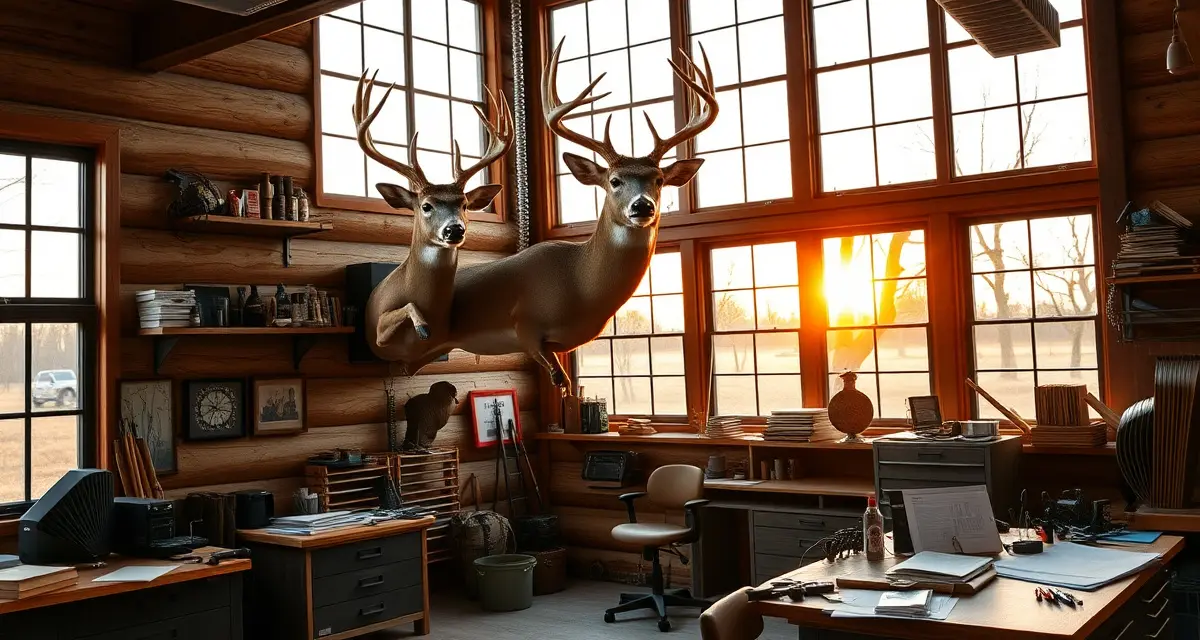
Deer Season Preparation for Kansas Taxidermy Shops
Kansas nonresident deer tags are highly sought. Which means Kansas taxidermy shops regularly work with customers from Texas, Oklahoma, Missouri, Nebraska, and across the country. That 30 to 40 percent out-of-state customer base creates specific preparation needs around customer communication and documentation.
KDWP record requirements for deer must be fully implemented before the October archery opener.
TL;DR
- Most Kansas shops with a significant nonresident base find that portal adoption among out-of-state hunters is near 100 percent because they have the most need for remote status access.
- That 30 to 40 percent out-of-state customer base creates specific preparation needs around customer communication and documentation.
- KDWP record requirements for deer must be fully implemented before the October archery opener.
- 180-class Kansas whitetail represents a hunter's potentially once-in-a-decade harvest, and the taxidermist's documentation and communication of that job reflects their professionalism.
- What KDWP documentation must Kansas shops be ready with before deer season?
- KDWP record requirements apply to every deer received, and documentation must be complete at intake rather than reconstructed after the fact.
Kansas's Nonresident Hunter Base
Kansas consistently produces world-class whitetails, particularly along river corridors in the eastern part of the state. Nonresident hunters apply for Kansas tags specifically for the caliber of deer available, and they come from everywhere.
For Kansas taxidermists, this means:
- Out-of-state customers who drive home after dropping off their deer
- Customers who need remote communication throughout the production period
- Documentation requirements for out-of-state license information at every intake
The customer portal is essential for Kansas shops serving a high nonresident volume. A Texas hunter who drops off a Kansas buck in November will check his portal in March, June, and August before picking up in spring. That's three fewer phone calls per out-of-state customer.
Kansas KDWP Documentation Requirements
Kansas Wildlife and Parks (KDWP) requires taxidermist records for all deer. Documentation at intake must include:
- Hunter's name and contact information
- Kansas hunting license number
- Out-of-state license number for nonresident hunters
- Kansas deer tag number (archery, firearm, or muzzleloader)
- Date of harvest
- Date received at shop
- Your Kansas taxidermist license information
KDWP record requirements must be in place before October archery opener, not implemented mid-season. Your intake system should enforce these fields as required before the first deer arrives.
Kansas Deer Season Timeline
Kansas archery opens in October, with firearms seasons running in November and December and late archery and muzzleloader extending into January.
For out-of-state hunters, the October through December window is the highest-intensity period. Most nonresident Kansas deer come from these months. January late-season deer are often Kansas residents.
Pre-season preparation milestones:
- September: Confirm KDWP requirements, test intake system, prepare portal communication
- October 1: All systems ready for archery opener
- Late October to November: Prepare for incoming nonresident hunter volume
- December to January: Manage remaining season intake
Managing High-Value Kansas Deer
Kansas trophy deer are high-value intakes. A 180-class Kansas whitetail represents a hunter's potentially once-in-a-decade harvest, and the taxidermist's documentation and communication of that job reflects their professionalism.
For high-value intakes:
- Thorough condition documentation photos at intake
- Complete harvest documentation
- Specific mount style confirmation in writing, signed by customer
- Immediate portal setup with notification that their trophy is registered
The standard of care for a high-value trophy should be visible in the intake documentation from day one.
Frequently Asked Questions
How do Kansas taxidermists prepare for deer season?
KDWP documentation requirements implemented before October opener, intake system tested and ready for archery season, customer portal prepared for the significant nonresident hunter base, and tannery coordination confirmed for anticipated volume. Out-of-state hunter documentation (capturing both home state and Kansas license numbers) should be a required field at intake, not an afterthought.
How do KS shops manage non-resident hunter communication during season?
Customer portals distributed at intake give nonresident hunters real-time access to their job status without requiring phone calls. Proactive milestone notifications (tannery shipment, tannery return, production complete) keep out-of-state customers informed throughout the long production period. Most Kansas shops with a significant nonresident base find that portal adoption among out-of-state hunters is near 100 percent because they have the most need for remote status access.
What KDWP documentation must Kansas shops be ready with before deer season?
Taxidermist license current with KDWP, intake forms capturing Kansas license numbers, nonresident license numbers, and Kansas deer tag numbers as required fields. KDWP record requirements apply to every deer received, and documentation must be complete at intake rather than reconstructed after the fact.
How does this apply to solo taxidermy shops?
The principles in this guide apply to solo shops just as they do to larger operations, though the scale differs. A single-person shop may have lower absolute volume but faces the same documentation, compliance, and customer communication requirements. The practical advice here scales down to any shop size.
What is the most common mistake taxidermists make with deer season prep kansas?
The most common mistake is treating deer season prep kansas as an afterthought rather than building it into the standard workflow from the start. Shops that encounter problems in this area typically did not establish clear processes before season, which means every situation becomes a one-off decision rather than a standard response.
Related Articles
- Deer Season Preparation for Iowa Taxidermy Shops
- Deer Season Preparation for Louisiana Taxidermy Shops
- Deer Season Preparation for Michigan Taxidermy Shops
- Deer Season Preparation for Minnesota Taxidermy Shops
Try These Free Tools
Put these insights into practice with our free calculators and planners:
Sources
- National Taxidermists Association (NTA)
- US Fish & Wildlife Service
- Breakthrough Magazine
- State wildlife agencies
Get Started with MountChief
Deer season is the most demanding time of year for any taxidermist, and the shops that handle it best are the ones that prepared before opening day. MountChief gives you fast AI intake, automatic customer portal activation, and tannery tracking so your busiest weeks are also your most organized. Try MountChief before your next deer season opener.