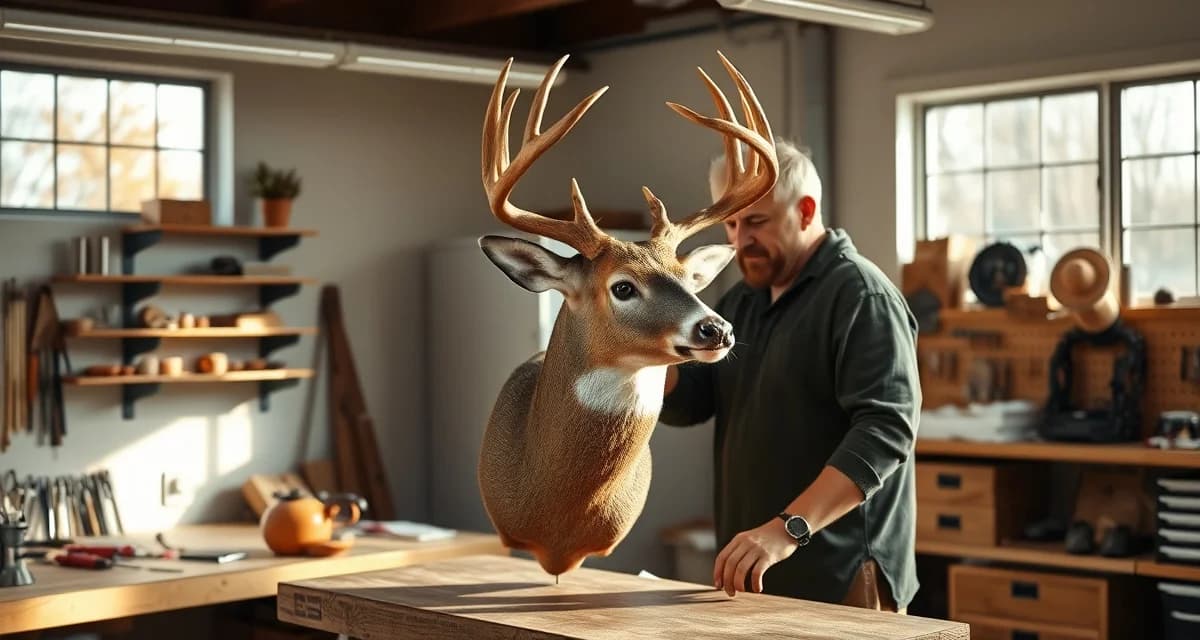
Deer Season Preparation for Michigan Taxidermy Shops
Michigan deer season runs from October through January and draws over 500,000 licensed hunters into the field. The firearms season (typically a two-week window in mid-November) generates the highest single-week intake volume of any Midwest state. Michigan shops that aren't ready by the first week of November will spend the rest of the season catching up.
There's also the CWD layer. Michigan's CWD management zones require additional documentation at intake for deer harvested in affected counties. Getting that process in place before season is non-negotiable.
TL;DR
- Michigan shops need to be fully ready by November 1, not November 15.
- Michigan deer season runs from October through January and draws over 500,000 licensed hunters into the field.
- These customers need your portal, they're driving home after the hunt and won't be able to check in in person for months.
- Your Michigan taxidermy shop management records should be organized to quickly pull up CWD-zone intakes if you're ever subject to a DNR inspection.
- Your license must be posted visibly in your shop. Renewal timing and requirements are on the DNR's website. Verify your renewal date before season.
- Michigan attracts out-of-state hunters from Ohio, Indiana, Illinois, and beyond. These customers need your portal, they're driving home after the hunt and won't be able to check in in person for months.
Michigan Deer Season Calendar
Archery season: October 1 through November 14; resumes after firearms
Firearms season: Typically opens the second Saturday in November (November 15, 2025)
Muzzleloader season: December 5-21
Late antlerless firearm season: December dates by zone
The firearms season generates your biggest intake surge. Plan your capacity and staffing around that two-week window in mid-November. Archery gives you a warm-up period to test your intake workflow before the volume peaks.
CWD Documentation at Intake
Michigan DNR designates specific CWD management zones in the Lower Peninsula, primarily in the southern counties around the original detection areas. CWD restrictions affect what parts of a deer can be transported out of affected counties and what documentation you need to maintain.
For deer harvested in CWD-positive counties:
- Document the harvest county on every intake record
- Verify that the cape and skull have been properly processed before accepting (no brain or spinal tissue)
- Maintain records showing the county of harvest and the date received
Your Michigan taxidermy shop management records should be organized to quickly pull up CWD-zone intakes if you're ever subject to a DNR inspection.
Michigan DNR Taxidermist Licensing
Michigan requires active taxidermist licensing through the DNR. DNR conservation officers conduct compliance inspections, which can include review of your intake records, specimen tags, and USFWS documentation for any migratory birds.
Your license must be posted visibly in your shop. Renewal timing and requirements are on the DNR's website. Verify your renewal date before season.
Intake Volume and Staffing
A medium-volume Michigan shop processing 300 mounts per season will see a significant portion of those arrive in the November firearms window. If you're solo, be realistic about how many mounts you can intake per day without cutting corners on documentation.
AI-assisted intake makes a real difference here. Processing animals in three minutes versus twenty means you can handle five times the volume with the same person. For Michigan shops expecting 30-50 deer in a single busy Saturday, that efficiency isn't optional.
Have your intake station organized before November 1. All supplies stocked. QR tags ready. Intake software configured and tested. The firearms opener is not the time to debug a new system.
Out-of-State Hunters and Customer Portal
Michigan attracts out-of-state hunters from Ohio, Indiana, Illinois, and beyond. These customers need your portal, they're driving home after the hunt and won't be able to check in in person for months.
Set up your deer season prep guide customer portal communication and include the login link in every intake confirmation message. Out-of-state hunters who can track their own mount status are dramatically less likely to flood your phone with calls from out of town.
Related Articles
- Deer Season Preparation for Kansas Taxidermy Shops
- Deer Season Preparation for Louisiana Taxidermy Shops
FAQ
How do Michigan taxidermists prepare for firearms deer season?
Michigan shops need to be fully ready by November 1, not November 15. Configure your intake software, stock your supplies, verify your DNR license is current, and test your CWD documentation workflow before archery season so it's automatic by November firearms opener. The firearms two-week window is when you'll process the majority of your annual volume.
How do Michigan shops handle CWD zone deer documentation at intake?
Always ask hunters which county the deer was harvested in. For any county in a DNR-designated CWD management zone, document the county on the intake record and verify that the cape is properly processed with no brain or spinal tissue before accepting. Maintain these records separately so they're easy to produce during a DNR inspection.
How many mounts can a Michigan taxidermist realistically handle per season?
This depends on mount types and your production setup, but a realistic benchmark for a solo taxidermist is 150-250 shoulder mounts per season with efficient intake tools. A two-person shop with AI intake and good workflow organization can process 400-600 mounts. Exceeding your capacity by more than 20-30% creates quality issues and timeline failures that hurt your reputation long-term.
How does this apply to solo taxidermy shops?
The principles in this guide apply to solo shops just as they do to larger operations, though the scale differs. A single-person shop may have lower absolute volume but faces the same documentation, compliance, and customer communication requirements. The practical advice here scales down to any shop size.
What is the most common mistake taxidermists make with deer season prep michigan?
The most common mistake is treating deer season prep michigan as an afterthought rather than building it into the standard workflow from the start. Shops that encounter problems in this area typically did not establish clear processes before season, which means every situation becomes a one-off decision rather than a standard response.
Try These Free Tools
Put these insights into practice with our free calculators and planners:
Sources
- National Taxidermists Association (NTA)
- US Fish & Wildlife Service
- Breakthrough Magazine
- State wildlife agencies
Get Started with MountChief
Deer season is the most demanding time of year for any taxidermist, and the shops that handle it best are the ones that prepared before opening day. MountChief gives you fast AI intake, automatic customer portal activation, and tannery tracking so your busiest weeks are also your most organized. Try MountChief before your next deer season opener.