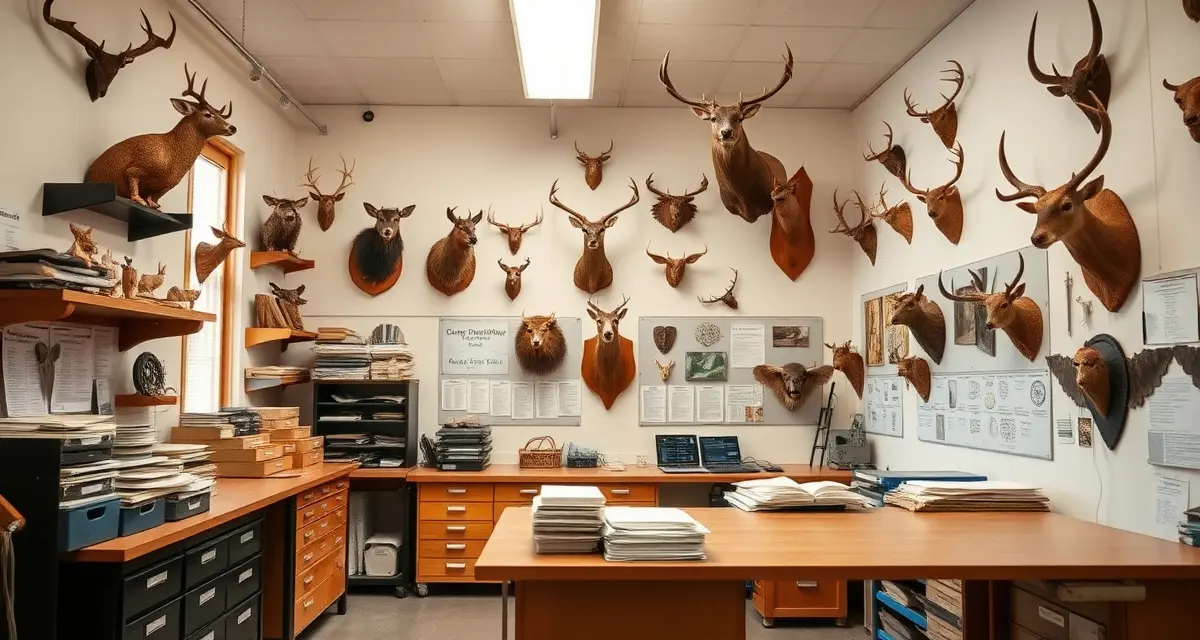
Texas Taxidermy Business Compliance Guide
Texas TPWD licenses over 2,000 active taxidermists, more than any other state in the country. That number tells you something about both the scale of hunting in Texas and the complexity of operating a licensed taxidermy shop here. More taxidermists means more competition, but it also means TPWD has a well-developed enforcement and compliance program.
Texas taxidermy compliance isn't just about deer. The exotic ranch industry (which generates 20-30% of revenue for many Texas and Arizona shops) creates a documentation layer that doesn't exist anywhere else in the country. Axis deer, blackbuck, nilgai, fallow deer, and dozens of other exotic species all have documentation considerations beyond a standard TPWD hunting license.
This guide covers what you actually need to know about operating legally in Texas in 2026: TPWD licensing, record-keeping requirements, and how to handle exotic ranch work without creating compliance problems.
TL;DR
- Texas Parks and Wildlife Department requires a Commercial Taxidermist Permit before accepting any specimen.
- Annual renewal is required and your TPWD license must be displayed in your shop at all times.
- The exotic ranch industry generates 20-30 percent of revenue for many Texas shops and carries additional documentation requirements.
- TPWD records for deer must be retained for five years and be available for inspection on demand.
- CWD is documented in West Texas and panhandle counties, making harvest county documentation critical for every deer.
- Federal migratory bird salvage permits are required in addition to your TPWD commercial taxidermist permit.
Texas Taxidermist Licensing: TPWD Requirements
Who Needs a Texas Taxidermist License?
Anyone who commercially accepts wildlife specimens for taxidermy work in Texas must hold a valid TPWD Taxidermist License. This includes full-time shops, part-time operations, and anyone receiving payment for taxidermy services.
Texas Taxidermist License is issued by Texas Parks and Wildlife Department and must be renewed annually. Operating without a valid license is a Class A misdemeanor.
How to Apply for a TPWD Taxidermist License
Apply through the TPWD licensing system:
- Create a TPWD licensing account at tpwd.texas.gov
- Select "Taxidermist License" under the Commercial Permits and Licenses section
- Complete the application with your business information, location, and facility details
- Pay the applicable fee
- Your license number will be issued upon approval
License Display and Renewal
Your TPWD Taxidermist License must be conspicuously displayed in your place of business. Annual renewal is required. TPWD sends renewal notices, but the responsibility for maintaining a valid license is yours.
Facility Requirements
Texas requires that your taxidermy operation be conducted at the address listed on your license. If you move your shop, update your TPWD license record. Operating from an unlisted location is a compliance violation.
TPWD Record-Keeping Requirements for Deer and Wildlife
Required Records for Every Specimen
Texas law requires taxidermists to maintain records for every specimen accepted. Your records must include:
- Customer's full name, address, and phone number
- Customer's hunting license number
- Species of the animal
- Sex of the animal (where applicable)
- Date the specimen was received
- County of harvest (for deer and other hunted species)
- Tag or harvest permit number where required
These records must be available for inspection by TPWD game wardens at any time during business hours.
Texas Deer-Specific Documentation
Texas has several specific programs that affect deer intake documentation:
MLDP (Managed Lands Deer Program): Deer taken on MLDP properties have MLDP permits rather than standard buck tags. These look different from standard hunting license tags. Know what an MLDP permit looks like so you can properly document it.
Antler restrictions: Texas county-level antler restriction rules mean some hunters are harvesting deer under restrictions while others aren't. While this is primarily the hunter's responsibility, noting the deer's point count in your records adds a layer of protection.
Doe harvest: Does taken under TPWD either have an antlerless deer permit or a LAMPS permit in managed land areas. Confirm the legal harvest documentation at intake.
How Long to Retain Records
Texas requires taxidermist records to be maintained for a minimum of two years. Keep them longer if space allows. TPWD can request records for inspections or investigations that may reach back further than you'd expect.
Exotic Species Documentation in Texas
Why Exotic Ranch Work Requires Extra Attention
Texas has more than 500,000 exotic animals on approximately 700 ranches. Including species from Africa, Asia, and elsewhere. Many of these are hunted under high-fence conditions, which is legal in Texas for non-native species. The documentation requirements for exotic ranch animals are different from wild white-tailed deer with TPWD tags.
Private Land Exotics: What Documentation Do You Need?
For exotic species on private land that are not native Texas wildlife:
Non-CITES-listed exotics (axis deer, fallow deer, sika deer, nilgai, blackbuck when not CITES): These are typically considered livestock under Texas law when on private land. The hunter's documentation from the ranch (a receipt, harvest record, or game record from the ranch operation) is standard practice. At minimum, capture the customer name, species, ranch name, and date.
CITES-listed exotics: If the species has CITES Appendix status, additional documentation applies. Blackbuck antelope (Antilope cervicapra) is listed on CITES Appendix III. If the mount will be exported internationally, CITES documentation is required. Consult current CITES appendix listings for species you're uncertain about.
Common Texas Exotic Species and Documentation Considerations
| Species | TPWD Status | Documentation Notes |
|---|---|---|
| Axis deer | Exotic, private land livestock | Ranch harvest record |
| Fallow deer | Exotic, private land livestock | Ranch harvest record |
| Sika deer | Exotic, private land livestock | Ranch harvest record |
| Blackbuck antelope | Exotic / CITES Appendix III | Ranch record + CITES if exporting |
| Nilgai | Exotic, south TX wild-ranging | Standard intake records |
| Aoudad (Barbary sheep) | Wild in TX, requires tag | Valid hunting license + tag |
| Scimitar oryx | Federally listed, special rules | Do not accept without USFWS documentation |
Scimitar oryx and addax deserve special attention. These species were on the USFWS Endangered Species list and the regulatory situation regarding them has been complex. Do not accept these species without understanding current USFWS rules.
Migratory Bird Documentation
All migratory birds (ducks, geese, dove, woodcock) require your valid USFWS Federal Taxidermist Permit and customer hunting documentation including Federal Duck Stamp for waterfowl. Texas is on the Central Flyway and waterfowl taxidermy is a significant category for many shops. Federal documentation requirements are non-negotiable.
TPWD Inspection and Enforcement
What TPWD Game Wardens Check
TPWD game wardens have authority to inspect your taxidermy facility and records during business hours. Typical compliance inspections check:
- Valid license display
- Intake records for all specimens currently in shop
- Record completeness (all required fields present)
- Proper storage and handling of wildlife specimens
- Any prohibited species in your possession
What Happens If Records Are Incomplete?
Incomplete or missing records create legal exposure. Depending on the severity of the violation, consequences can range from a warning to criminal charges. Maintaining complete records for every specimen is the only protection.
Building a Compliance-Ready Texas Shop
The sheer volume of Texas taxidermy (from white-tailed deer in November to exotic ranch work year-round) means your intake process needs to be fast and complete. Rushed paper intake during deer season peak is where compliance gaps happen.
MountChief's taxidermy shop management software includes Texas-specific intake fields built for TPWD requirements, exotic species documentation, and CITES flagging. Every record is stored digitally, searchable, and ready for inspection.
Related Articles
- Taxidermy Shop Compliance Guide 2026: What Changed This Year
- Complete Wildlife Compliance Guide for Taxidermy Shop Owners
- How to Prepare for a Wildlife Compliance Inspection
FAQ
How do I get a taxidermy license in Texas?
Apply through the TPWD licensing system at tpwd.texas.gov. Select Taxidermist License under commercial permits, complete the application with your business and facility information, and pay the fee. Annual renewal is required and your license must be displayed in your shop. If you change locations, update your TPWD record before operating from the new address.
What TPWD records are required for deer and exotic species?
For deer: customer name/address, hunting license number, species, sex, date received, county of harvest, and tag or permit number. For exotic ranch species: species identification, customer information, and ranch harvest documentation. For CITES-listed exotics: standard intake records plus CITES documentation if the mount will be exported. Retain all records for at least two years.
How do Texas taxidermists handle exotic ranch documentation?
The practical approach is to request documentation from the customer at intake, a ranch harvest record, receipt, or similar documentation showing the animal was legally taken on a licensed hunting operation. For species you're unsure about, contact TPWD or USFWS before accepting the specimen. Building a short checklist for exotic intake, species, ranch name, customer documentation, and any CITES considerations, prevents documentation gaps.
How does this apply to solo taxidermy shops?
The principles in this guide apply to solo shops just as they do to larger operations, though the scale differs. A single-person shop may have lower absolute volume but faces the same documentation, compliance, and customer communication requirements. The practical advice here scales down to any shop size.
What is the most common mistake taxidermists make with taxidermy business compliance texas?
The most common mistake is treating taxidermy business compliance texas as an afterthought rather than building it into the standard workflow from the start. Shops that encounter problems in this area typically did not establish clear processes before season, which means every situation becomes a one-off decision rather than a standard response.
Try These Free Tools
Put these insights into practice with our free calculators and planners:
Sources
- National Taxidermists Association (NTA)
- US Fish & Wildlife Service
- Small Business Administration (SBA)
Texas Compliance Is Manageable with the Right System
Texas taxidermy compliance is more complex than most states because of exotic species. But it's manageable when you have a consistent intake process that captures required information every time. Don't wait for a TPWD inspection to discover your records aren't complete.
Contact TPWD directly at tpwd.texas.gov for current license fees, renewal deadlines, and any regulatory updates since this guide was published.
Get Started with MountChief
Wildlife compliance documentation protects your business and your license. MountChief builds required fields for every species into the intake workflow and keeps all records organized for inspection. Try MountChief to make compliance documentation part of every intake automatically.