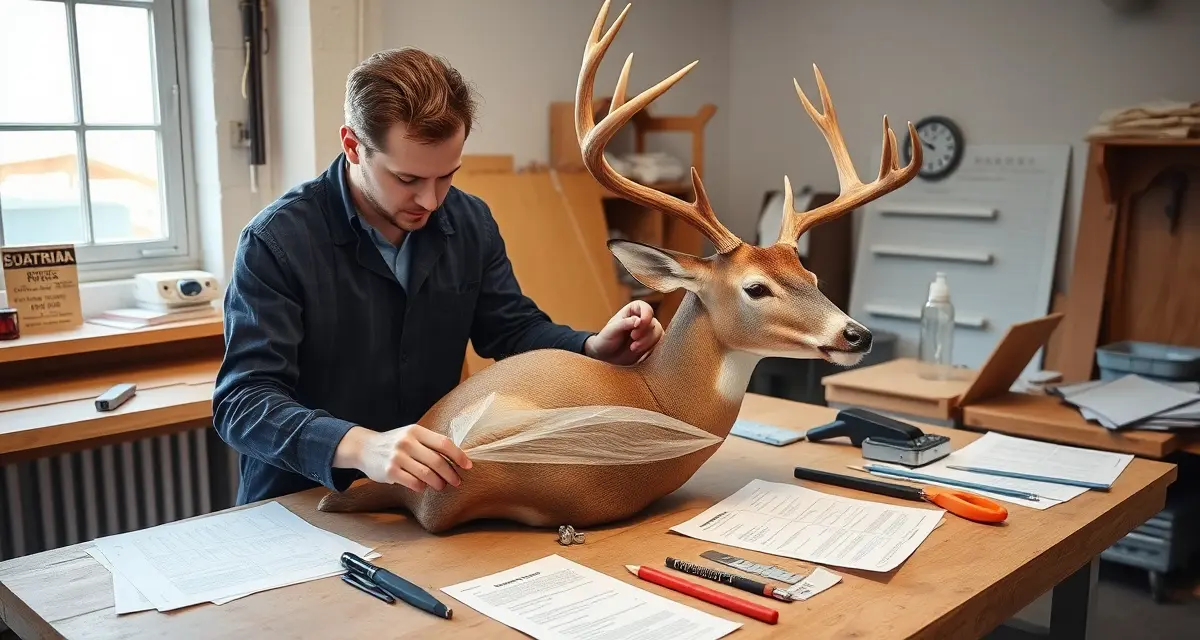
Common Taxidermy Intake Mistakes by Species: Avoid These Errors
Intake is where the job either gets set up right or gets set up for failure. And the mistakes that create the most problems aren't random. They follow predictable patterns by species. Deer have their issues. Elk have theirs. Fish and birds each have a specific set of things that slip through when you're moving fast.
According to intake data, species-specific intake errors cause 45% of all taxidermy production disputes. That's not a number you want to contribute to. Here's what to watch for, by species.
TL;DR
- It takes 30 seconds and prevents hours of rework.
- According to intake data, species-specific intake errors cause 45% of all taxidermy production disputes.
- You're taking in 15 deer on a Saturday and someone hands you a cape without paperwork.
- camera on your phone takes 10 seconds per shot.
- Mount style disputes happen more often than people admit, and they almost always come from something that wasn't captured in writing at intake.
- If there's any issue with the hide when it arrives, you need to document it before it goes anywhere near your tannery.
Deer Intake Mistakes
Deer season means volume, and volume means shortcuts. These are the errors that show up over and over in deer intake.
Missing Tag or Harvest Number
This is the single most common deer intake error. You're taking in 15 deer on a Saturday and someone hands you a cape without paperwork. You figure you'll get the tag number later. You don't. Now you've got a compliance gap.
Make the tag number the first thing you capture at every deer intake. No tag number, no intake ticket opened. That's the policy.
No Cape Condition Documentation
You accept a cape that came in rough, freezer-burned around the edges, maybe some slippage starting on the back. You don't document it. Six months later when the mount comes out, the customer says you damaged it. You have no photos to prove otherwise.
Always photograph the cape at intake. Every one. The camera on your phone takes 10 seconds per shot.
Skipping Mount Style Confirmation
Did the customer actually say they want a straight neck or a semi-sneak? Did you write it down? Mount style disputes happen more often than people admit, and they almost always come from something that wasn't captured in writing at intake.
Confirm the mount style, pose, and eye color on the intake form. Read it back to the customer. Have them sign it.
Elk Intake Mistakes
Elk are your highest-value jobs. Errors here cost more. Financially and in customer trust.
Skipping Girth Measurement
Elk cape fit depends on accurate girth measurement. If you don't capture it at intake, you're guessing at form size later. That guess can lead to a cape that's too tight or too loose on the form, and fixing it mid-production is expensive.
Measure girth at intake, every time. It takes 30 seconds and prevents hours of rework.
Not Documenting Cape Condition on Reception
Elk hides come in from fields, pack animals, and pickup beds. They've often been through a lot before they reach you. If there's any issue with the hide when it arrives, you need to document it before it goes anywhere near your tannery.
When a tannery returns a hide with damage, the dispute about who caused it comes down to your intake photos. Without them, you're on the losing end.
Ignoring Out-of-State Documentation Requirements
A big percentage of elk taxidermy jobs in Colorado, Montana, and Wyoming come from out-of-state hunters. Their licenses and permit numbers matter. If a wildlife officer inspects your records and finds a gap on an out-of-state elk, you have a problem.
Capture the hunter's home state license number and the state-issued permit type at intake.
Fish Intake Mistakes
Fish intake has one critical failure mode that dominates all others: missing color documentation.
No Color Reference Photos
Fish begin losing color almost immediately after death. Within 30 minutes, that vibrant walleye or bass has faded to a pale shadow of what it looked like in the water. If the hunter didn't photograph it fresh at the water, and you don't have reference photos at intake, you're painting from memory.
The result? A mount the customer says "doesn't look right." And they're not entirely wrong.
Make color photos at intake standard for every fish. If the fish arrived faded, note it and ask the hunter if they have any photos from the water. Use your intake form to capture all fish reference data so nothing gets missed.
Missing Girth Measurement
Length gets recorded. Girth gets forgotten. Then the skin doesn't fit the form correctly and you spend time on a fix that a tape measure at intake would have prevented.
Measure length and girth. Both. Every fish.
Failing to Confirm Replica vs. Skin Mount
A hunter drops off a frozen fish and assumes you know what they want. Six months later they come for pickup and are surprised it's a skin mount. They wanted a replica so they could release the fish. Or vice versa.
Replica or skin mount confirmation goes on the intake form. The customer signs it.
Bird Intake Mistakes
Bird intake has a unique problem: compliance. Skip the wrong step and you're not just dealing with an unhappy customer. You're dealing with federal agencies.
Missing Permit Verification
The most dangerous intake mistake in bird taxidermy is accepting a migratory bird without verifying the hunter's federal permit. You need to see it and record the information. This isn't optional.
USFWS inspections do happen. When they look at your records and see a pintail duck without permit documentation, you're looking at a compliance violation.
Feather Condition Not Documented
A bird comes in with some feathers already damaged from the hunt or transport. You don't document it. The customer picks up the finished mount and says the feathers look wrong. Now you're in a dispute with no intake photos to show the pre-existing condition.
Photograph feather condition at intake, including any damaged or missing feathers. Note it on the form. Your intake form generator should have a condition checklist for birds.
Accepting Birds Without Tag or Band Information
If the bird has a leg band, you record the band number. That's federal law. Missing band documentation is a federal compliance issue, not a paperwork oversight.
How to Prevent All of These Errors
The common thread across every species-specific mistake is the same: intake was done too fast or too informally. A structured intake process with required fields for each species category catches most of these errors before they become problems.
AI-powered intake tools can flag the most common human errors in real time. If a required field is blank, the system won't let you move forward. That kind of hard stop prevents the "I'll fill it in later" shortcuts that create disputes six months down the road.
Frequently Asked Questions
What are the most common deer intake mistakes?
The most common are missing harvest tag or license numbers, no cape condition photos at intake, and failure to confirm and document the mount style. Any one of these can create a dispute later.
What intake errors cause the most problems with elk mounts?
Skipping girth measurements leads to form-fit problems during production. Not documenting hide condition at intake creates tannery damage disputes. And incomplete out-of-state hunter documentation creates compliance gaps during wildlife inspections.
How do I prevent bird taxidermy intake compliance mistakes?
Verify and record the hunter's federal migratory bird permit at intake before accepting the bird. Document any banding information. Photograph feather condition. Make these steps mandatory in your intake process and non-skippable in your software.
How does this apply to solo taxidermy shops?
The principles in this guide apply to solo shops just as they do to larger operations, though the scale differs. A single-person shop may have lower absolute volume but faces the same documentation, compliance, and customer communication requirements. The practical advice here scales down to any shop size.
What is the most common mistake taxidermists make with taxidermy intake species common mistakes?
The most common mistake is treating taxidermy intake species common mistakes as an afterthought rather than building it into the standard workflow from the start. Shops that encounter problems in this area typically did not establish clear processes before season, which means every situation becomes a one-off decision rather than a standard response.
Related Articles
Try These Free Tools
Put these insights into practice with our free calculators and planners:
Sources
- National Taxidermists Association (NTA)
- US Fish & Wildlife Service
- Small Business Administration (SBA)
Get Started with MountChief
When every mount has its own timeline, paperwork, and customer expectations, staying organized is half the job. MountChief gives you a single system to manage all of it.