Fish Taxidermy Intake Checklist: Measurements, Photos, and Species Data
Fish intake requires more photos than any other species category for coloration reference. Missing girth measurement is the most common error on fish intake forms. Both of these facts point to the same underlying issue: fish intake is data-intensive in a way that mammal intake isn't, and shops that treat it like a simpler version of deer intake make mistakes.
A fish that leaves your shop perfectly mounted but doesn't match the reference photos the angler remembers is a disappointed customer. All the technical skill in the world doesn't make up for a color or measurement discrepancy that traces back to incomplete intake documentation.
Here's the complete intake checklist for freshwater and saltwater fish mounts.
TL;DR
- If the angler wants a skin mount, the fish must be in condition for tanning. Note the freeze status and any handling that might affect skin quality.
- Open or closed mouth? Open-mouth mounts look more dramatic but require more detail work and higher form cost.
- Deposit collected: 40-50% at intake is standard. For replicas where you'll immediately order a blank, confirm your deposit covers the blank cost.
- Skipping the girth measurement. No excuses. Girth is essential and takes 15 seconds.
- Here's the complete intake checklist for freshwater and saltwater fish mounts.
- They require different preservation chemistry than freshwater fish.
Section 1: Angler Information
- Full name
- Phone number
- Email address (essential for tracking link and notifications)
- Home address (many fish customers are visiting anglers who won't pick up locally)
- State of residence
- Best contact method
Section 2: Catch Documentation
Fish don't require hunting licenses in most cases, but capture basic catch information for the job record and for the personalization the angler values.
- Date of catch
- Body of water or location (lake, river, charter company)
- State where caught
- Fishing license number (good practice, especially for saltwater or out-of-state catches)
- Guided trip? (guide name if relevant)
Section 3: Species Identification
Species matters for everything downstream: form selection, tannery or preservation approach, pricing, and paint reference.
- Species (be specific, "bass" is not sufficient, capture largemouth, smallmouth, Guadalupe, etc.)
- Common name and scientific name if it's unusual
- Freshwater or saltwater?
- Any subspecies or regional color variant noted?
Saltwater species must be flagged at intake. They require different preservation chemistry than freshwater fish. A redfish, snook, or snapper skin mount needs saltwater-specific treatment. Failing to flag this at intake and processing it like a freshwater fish risks hide failure.
Section 4: Measurements (Most Critical Section)
This is the section where most intake errors occur. Missing or incorrect measurements create downstream problems for form ordering, replica casting, and pricing.
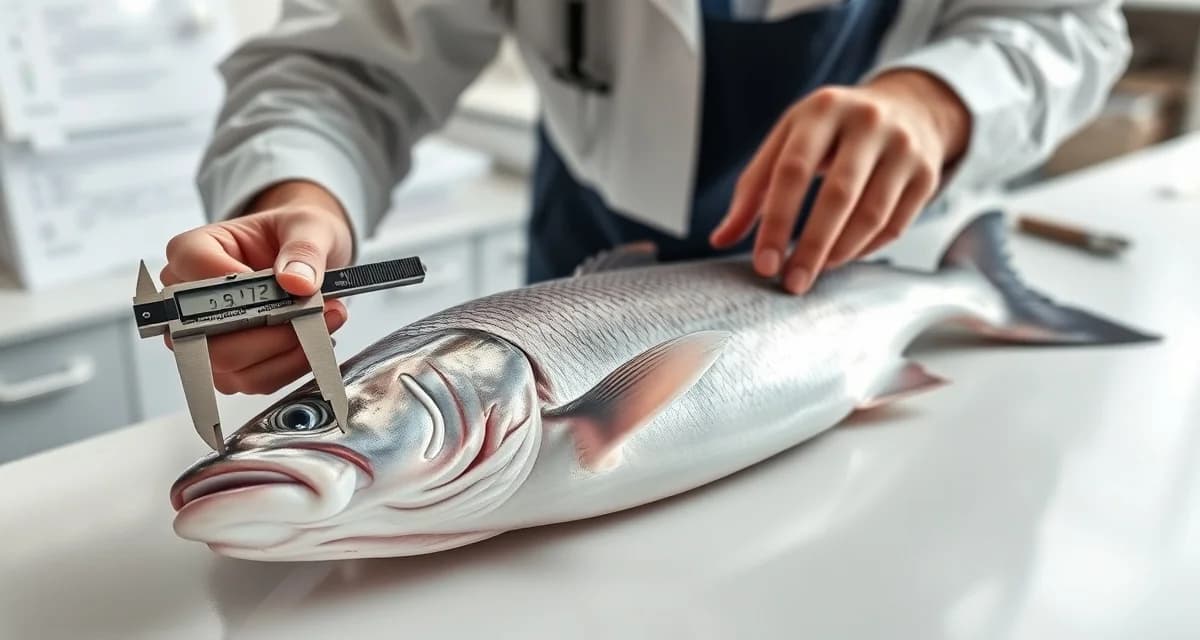
Total length: Measure from tip of jaw to tip of tail. This is the primary measurement used for per-inch pricing and form selection.
Fork length: Measure from tip of jaw to the deepest notch of the tail fork. Relevant for forked-tail species (bass, walleye, most saltwater fish).
Total length with pinched tail: Some fish are measured with the tail lobes pressed together. Note the method used.
Girth: Measure at the widest point of the body (typically behind the pectoral fins). This is the measurement most commonly missed at intake. For replica orders, girth is essential for blank selection. For skin mounts, girth helps confirm form fit.
Weight: Record if the angler has it. Weight confirms overall body condition relative to length. A notably heavy or thin fish for its length affects form selection.
Fin spread: For display purposes, note whether the angler wants fins spread open or in a relaxed position. Measure the relevant fin spreads if the angler wants a specific spread captured.
Note on measurement accuracy: Measurements taken immediately after harvest are the most accurate. Fish shrink as they dehydrate in the freezer. A fish measured after freezing may be slightly shorter than at harvest. If the angler took measurements at the water, use those. If they didn't, note that your measurements are post-freezer.
Section 5: Reference Photography (Essential for Replicas)
Fish coloration fades within minutes of death and continues to change during freezing. Your intake photos are the production reference. They need to capture:
Minimum photo requirements:
- Lateral (side) view, dominant side (right side for most right-facing mounts)
- Lateral (side) view, opposite side
- Dorsal (top) view
- Ventral (belly) view
- Head close-up showing eye position, mouth, and facial markings
- Tail close-up showing fin detail and edge coloring
- Any distinctive markings, spots, or color patterns close-up
For highly patterned species (bass, pike, musky, mahi): Take additional close-ups of mid-body scale pattern. Color variations across body sections (head color vs. flank color vs. belly color) are critical for paint accuracy.
Angler's own photos: Many anglers have photos from the water taken immediately after catch. These are gold for color reference because the fish is alive or freshly caught. Ask every angler if they have catch photos and attach them to the job record. In some cases, the angler's catch photo is better reference than anything you'll capture at intake.
For replica orders, the paint artist uses your photos as the primary reference. The quality of those photos directly affects the quality of the finished replica.
Section 6: Mount Specifications
Replica or skin mount?
This is the foundational selection that determines your entire workflow. Get this confirmed at intake, not later.
- Replica (casting-based, angler can release the fish)
- Skin mount (actual fish skin, requires the fish to be kept)
- Half mount (partial replica, partial skin, uncommon but exists)
If the fish is already frozen and the angler wants a replica, that's still possible. The fish provides girth reference and the angler's photos provide color reference. The fish itself isn't used in production.
If the angler wants a skin mount, the fish must be in condition for tanning. Note the freeze status and any handling that might affect skin quality.
Mount side: Which side will face out on the wall? For a standard wall mount:
- Show left side (fish faces right)
- Show right side (fish faces left)
- Full mount (double-sided for pedestal or freestanding display)
Pose:
- Horizontal flat (most common wall mount)
- Curved/swimming pose
- Jumping/arching
- Open-mouth active pose
- Other (describe specifically)
Open or closed mouth? Open-mouth mounts look more dramatic but require more detail work and higher form cost.
Habitat or background? Many fish mounts include a background panel with water-effect painting or habitat elements. Note preference.
Base type if applicable: Habitat scene, floating log, rocks, or simple panel.
Section 7: Pricing and Payment
Per-inch price confirmation: Quote the price per inch and calculate the total based on the measured length.
Replica supplier lead time: If you're ordering a catalog blank, note the expected lead time from your supplier.
Minimum charge confirmation: For small fish below your standard per-inch pricing threshold.
Saltwater premium: Confirm the saltwater premium if applicable.
Total quoted price
Deposit collected: 40-50% at intake is standard. For replicas where you'll immediately order a blank, confirm your deposit covers the blank cost.
Section 8: Tracking Setup
- Portal link sent to angler
- Notifications configured for key stages (blank ordered, blank received, in production, complete)
- Shipping preference confirmed for out-of-state customers
Common Fish Intake Errors
Skipping the girth measurement. No excuses. Girth is essential and takes 15 seconds.
Not asking for the angler's own catch photos. Those photos are your best color reference. Ask every time.
Not confirming replica vs. skin mount before the angler leaves. If this isn't confirmed in writing, disputes happen when the angler later insists they wanted a skin mount and you ordered a replica.
Processing a saltwater fish with freshwater preservation chemistry. This is a hide-failure waiting to happen. Flag saltwater species at intake.
Accepting a fish in poor condition for a skin mount. A fish that's been in the back of a truck for two days in July is not a skin mount candidate. Be honest with the angler about what's realistic.
Frequently Asked Questions
What measurements should I capture at fish taxidermy intake?
Capture total length, fork length (for forked-tail species), girth at the widest body point, and weight if available. Total length drives your pricing calculation and blank selection. Girth confirms body proportion for form fitting. For replicas, girth is essential for ordering the right casting blank. For skin mounts, measurement-to-form fit is critical for a lifelike result. Missing girth is the single most common measurement error on fish intake forms.
How does this apply to solo taxidermy shops?
The principles in this guide apply to solo shops just as they do to larger operations, though the scale differs. A single-person shop may have lower absolute volume but faces the same documentation, compliance, and customer communication requirements. The practical advice here scales down to any shop size.
What is the most common mistake taxidermists make with fish taxidermy intake checklist?
The most common mistake is treating fish taxidermy intake checklist as an afterthought rather than building it into the standard workflow from the start. Shops that encounter problems in this area typically did not establish clear processes before season, which means every situation becomes a one-off decision rather than a standard response.
Related Articles
- Elk Taxidermy Intake Checklist: Everything to Capture at Drop-Off
- How to Photograph Fish for AI Taxidermy Intake and Reference
- Common Taxidermy Intake Mistakes by Species: Avoid These Errors
- Can I Get a Fish Mounted from a Frozen Fish or Does It Need to Be Fresh?
Try These Free Tools
Put these insights into practice with our free calculators and planners:
Sources
- National Taxidermists Association (NTA)
- US Fish & Wildlife Service
- Bass Anglers Sportsman Society (B.A.S.S.)
- Small Business Administration (SBA)
Get Started with MountChief
Fish and waterfowl jobs require the same organized intake and tracking as big-game work. MountChief handles every species type with the same efficient intake system, customer portal, and production tracking. Try MountChief to manage all your species types in one organized platform.