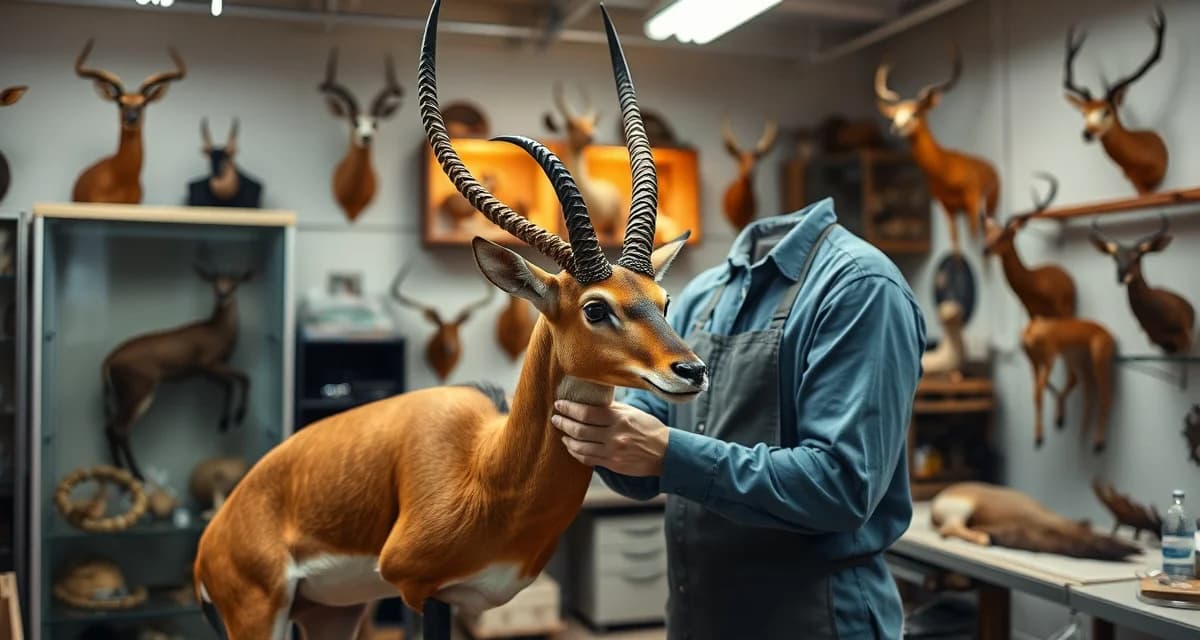
Texas Exotic Ranch Taxidermy: How One Shop Manages 200 Exotic Mounts
Texas exotic ranching creates a taxidermy workload that doesn't exist anywhere else in the country. In the Hill Country, the Edwards Plateau, and ranch country stretching across South Texas, you'll find nilgai, blackbuck, axis deer, sika, fallow deer, scimitar-horned oryx, and dozens of other species from Africa, Asia, and Europe, all legal to hunt on private land.
For taxidermists serving these ranches, that's both an opportunity and a compliance challenge. Whitetail is straightforward documentation. A nilgai from a South Texas ranch? An oryx with international origin? Those require documentation under CITES (the Convention on International Trade in Endangered Species) that doesn't apply to domestic deer.
This shop handles it all: whitetail from the Hill Country, exotic species from neighboring ranches, and the occasional African import from a wealthy rancher's safari. In one year, they documented CITES paperwork for 12 separate exotic species. Before they had a system for it, that documentation process took 45 minutes per exotic intake. With MountChief's automated CITES flagging, it's a fraction of that.
TL;DR
- That's a significant change when you're managing 200 exotic mounts in a year alongside regular deer volume.
- The shop documented CITES compliance for 12 exotic species in one year, including nilgai, blackbuck, axis deer, fallow deer, sika deer, scimitar-horned oryx, addax, and various exotic sheep and goat subspecies.
- Those require documentation under CITES (the Convention on International Trade in Endangered Species) that doesn't apply to domestic deer.
- In one year, they documented CITES paperwork for 12 separate exotic species.
- Before they had a system for it, that documentation process took 45 minutes per exotic intake.
- Ranch hunting guests and landowner hunters are often high-net-worth individuals accustomed to premium service.
The Texas Exotic Ranch Market
Texas has more exotic wildlife on private land than any other state. And more than most countries. Ranch owners bring these animals in for breeding, hunting operations, and personal collection. For high-end hunting ranches, exotic hunting is a premium experience.
The clientele is different from a typical deer hunter. Ranch hunting guests and landowner hunters are often high-net-worth individuals accustomed to premium service. They expect detailed communication about their trophies, and they expect the taxidermist serving their ranch to handle compliance correctly.
The stakes of a compliance error on an exotic mount are higher than on a domestic species. CITES violations are federal issues with serious consequences. Ranch owners who bring hunters to their properties can't afford to have their taxidermist create compliance problems.
The CITES Documentation Challenge
Before the shop implemented a structured management system, exotic intake was handled with a paper process and a mental checklist. The taxidermist knew CITES requirements and generally applied them correctly. But "generally" leaves room for error.
The 45-minute manual documentation process per exotic species intake involved:
- Identifying the species against CITES appendix status
- Locating the correct documentation forms
- Capturing all required information from the hunter
- Filing the paperwork in the right place
Twelve species in a year means 12 different CITES situations, each with potentially different appendix status and different documentation requirements. Some species require Appendix I documentation (stricter). Others are Appendix II. A few may not be on CITES at all but have Texas-specific documentation requirements.
That variation, applied across a busy season with whitetail intake running simultaneously, creates real error risk.
Automated CITES Flagging
When the shop implemented MountChief, the CITES flagging system changed the exotic intake process fundamentally. When a non-standard species is entered at intake, MountChief automatically identifies whether it's subject to CITES and prompts the taxidermist to complete the required documentation.
The flag comes up at intake, before the job is opened. The taxidermist is prompted to capture the specific CITES documentation required for that species. The process is built into the intake flow rather than being a separate manual step.
Intake time for exotic species dropped from 45 minutes to roughly 12 to 15 minutes. That's a significant change when you're managing 200 exotic mounts in a year alongside regular deer volume.
The accuracy improvement was even more important than the time savings. With automated flagging, the documentation doesn't depend on whether the taxidermist remembered to check the CITES appendix status for that particular species. The system remembers.
Managing 12 Exotic Species in One Year
In the year this shop documented in their MountChief records, they handled:
- Nilgai (South Texas ranch animals)
- Blackbuck antelope
- Axis deer
- Fallow deer
- Sika deer
- Scimitar-horned oryx
- Addax
- Several subspecies of exotic sheep and goats
Each of these has its own CITES status, its own documentation requirements, and its own considerations around interstate transport. For a shop serving Texas ranch clients, this is standard inventory.
The customer portal had a specific benefit for ranch clients. Rather than calling the shop to ask about the status of multiple trophies from a single hunt (which might include whitetail, axis deer, and nilgai taken on the same trip) ranch clients or their hunt coordinators could see all active jobs through the portal simultaneously.
High-net-worth ranch clientele have high expectations for information access. A portal that shows them where their trophies are in the production process is more aligned with their expectations than a paper receipt and a "we'll call you when it's ready" response.
The Customer Experience for Ranch Clients
Ranch hunting operations often coordinate directly with taxidermists on behalf of their guests. The hunt coordinator role in a Texas ranch operation is real. These are professionals managing logistics for guests who may have flown in from across the country or internationally.
MountChief's portal gave ranch coordinators direct access to status updates for all jobs from a given ranch. Instead of calling the taxidermist for updates on behalf of multiple guests, the coordinator could see the status of a nilgai from a March hunt, a whitetail from November, and an axis deer from a January hunt, all in the same portal view.
That level of service communication is what high-end ranch operations expect from their service partners.
Frequently Asked Questions
How did this Texas shop manage CITES documentation for exotic ranch species?
MountChief's automated CITES flagging system identifies regulated species at intake and prompts the taxidermist to complete required documentation before the intake closes. This replaced a 45-minute manual process that required the taxidermist to separately identify CITES status and locate the correct forms. Intake time for exotic species dropped to 12 to 15 minutes with higher documentation accuracy.
What exotic species did this shop track in MountChief?
The shop documented CITES compliance for 12 exotic species in one year, including nilgai, blackbuck, axis deer, fallow deer, sika deer, scimitar-horned oryx, addax, and various exotic sheep and goat subspecies. All are found on Texas private hunting ranches and all have specific documentation requirements that vary from standard domestic deer intake.
How did customer portals serve the high-net-worth ranch clientele?
Ranch hunting coordinators used the portal to track the status of multiple trophies from multiple guests simultaneously. Rather than making individual status calls on behalf of each guest, coordinators could see all active jobs from their ranch in a single view. This communication capability aligned with the service expectations of high-end ranch hunting operations and their guests.
How does this apply to solo taxidermy shops?
The principles in this guide apply to solo shops just as they do to larger operations, though the scale differs. A single-person shop may have lower absolute volume but faces the same documentation, compliance, and customer communication requirements. The practical advice here scales down to any shop size.
What is the most common mistake taxidermists make with texas shop exotic tracking case study?
The most common mistake is treating texas shop exotic tracking case study as an afterthought rather than building it into the standard workflow from the start. Shops that encounter problems in this area typically did not establish clear processes before season, which means every situation becomes a one-off decision rather than a standard response.
Related Articles
- Case Study: How Deposit Automation Eliminated Abandoned Mounts
- Case Study: How Tannery Tracking Eliminated 3 Lost Hides Per Season
- Colorado Elk Shop: How AI Intake Handled 60 High-Value Mounts
- How a 400-Mount Shop Gained Full Tannery Visibility with MountChief
Try These Free Tools
Put these insights into practice with our free calculators and planners:
Sources
- National Taxidermists Association (NTA)
- US Fish & Wildlife Service
Get Started with MountChief
The results in this article are achievable in any shop that applies the same operational approach. MountChief provides the intake speed, tannery tracking, and customer communication tools that make this kind of improvement possible. Try MountChief to see what better systems do for your operation.