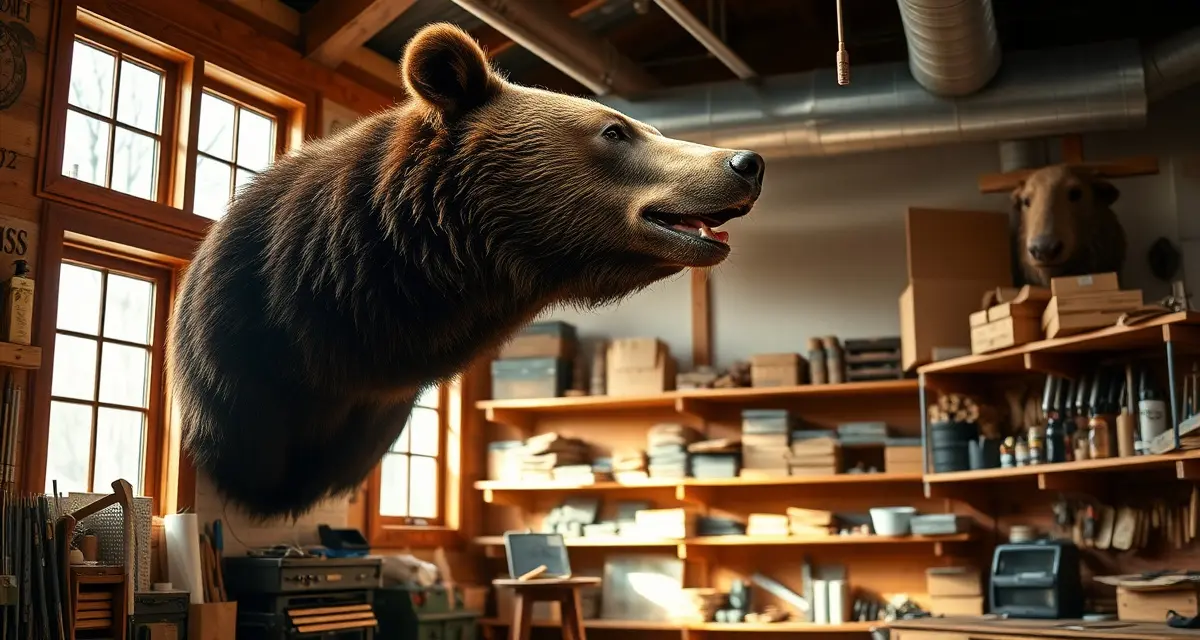
Bear Season Preparation for Wisconsin Taxidermy Shops
Wisconsin bear hunting is a lottery game. Tags are allocated by the DNR through a drawing system, which means you can't look at the calendar and predict when your phone will start ringing. One year you might get a rush of bears in September. Another year the activity trickles in through November. That unpredictability is exactly why preparation matters more here than in states with predictable season structures.
Bear life-size mounts are among the most valuable work coming through Midwest shops. If you're not ready when that call comes in, you risk losing a $3,000+ job to a shop that is.
TL;DR
- If you're ordering a custom-sized form, allow 4-6 weeks.
- If the tannery damages the hide, or if a hair slippage issue surfaces weeks later, you need documented proof of the condition at drop-off.
- Bear hides at the tannery can take 8-14 weeks, compared to 4-8 weeks for a deer cape.
- life-size bear mount is realistically a 12-18 month job in most shops.
- If you're not ready when that call comes in, you risk losing a $3,000+ job to a shop that is.
- Life-size bears run $2,500-4,500 depending on size and pose.
Understand Wisconsin's Bear Lottery System
Wisconsin issues bear hunting permits through a preference point system administered by the DNR. Hunters accumulate preference points each year they apply but don't draw a tag. That means in any given fall, there's a cohort of hunters who finally drew after years of waiting. They're motivated. They've planned their hunt. And they want a trophy-quality mount.
These aren't casual hunters dropping off a small deer cape. When a Wisconsin bear hunter finally tags out, they're often ready to invest in a life-size or rug mount. Your shop needs intake procedures that match that level of investment.
Documentation Requirements for Wisconsin Bear Taxidermy
The Wisconsin DNR requires that taxidermists receive bear specimens with the carcass tag attached. You should capture the hunter's license number, the DNR carcass tag number, and the hunting unit at intake. If these documents aren't present, don't accept the specimen.
Keep copies of all bear documentation on file. DNR compliance checks do happen, and a clean paper trail protects your shop. Using a digital intake system like MountChief's shop management platform ensures this data is timestamped and stored with the job record automatically.
Prepare Your Shop Before Bear Season Hits
Even if you can't predict exactly when bear season will peak, you can prepare your shop to handle intake at any point from September through December. Here's what to do before the season opens:
Order forms early. Bear life-size forms are expensive and slow to ship. Know your supplier lead times. If you're ordering a custom-sized form, allow 4-6 weeks.
Confirm your tannery relationship. Bear hides are thick and heavy. Not every tannery does great bear work. If you ship bear hides, talk to your tannery contact before season about their turnaround and any volume limits. You can track all outbound hide shipments in MountChief's bear taxidermy tracking module.
Set your pricing now. Don't wait for a bear to show up to figure out what you charge. Bear rug mounts average $900-1,800. Life-size bears run $2,500-4,500 depending on size and pose. Have that pricing ready and posted.
Photograph your previous bear work. When a hunter calls after drawing their tag, they want to see examples. Have a portfolio ready, even if it's just on your phone.
Bear Intake: What to Capture at Drop-Off
Bear intake is different from deer. The hide condition varies more. Field care is often worse than deer hunters because bears are harvested in warmer temperatures. Your intake inspection needs to be thorough.
At drop-off, check and document:
- Tag number and DNR documentation
- Skinning condition (cape intact, ears turned, paws split)
- Hair condition and any bald spots or damage
- Overall hide size and weight estimate
- Hunter's pose preference (rug, life-size standing, life-size prowling, skull mount)
- Color reference photos from the hunt if available
Take your own intake photos. This is non-negotiable for bear work. If the tannery damages the hide, or if a hair slippage issue surfaces weeks later, you need documented proof of the condition at drop-off.
Set Honest Turnaround Expectations
Bear work takes longer than deer. Bear hides at the tannery can take 8-14 weeks, compared to 4-8 weeks for a deer cape. Add your production time on top of that. A life-size bear mount is realistically a 12-18 month job in most shops.
Tell your customers this at intake. Wisconsin bear hunters who waited years for their tag aren't going anywhere. What they hate is silence. Send status updates at each stage of the process. When the hide ships to the tannery, let them know. When it comes back, let them know. When you start mounting, send a photo.
That communication is what turns a bear customer into a repeat customer and a referral source.
Frequently Asked Questions
How do Wisconsin taxidermists prepare for bear season?
The best preparation is completing intake checklists and tannery arrangements before the season opens. Since bear season timing is lottery-driven, you can't predict peak intake. Set your pricing, confirm your tannery relationship for large hides, order custom forms in advance, and make sure your intake documentation captures all required DNR tag information at drop-off.
How do WI shops handle unpredictable bear season intake timing?
The key is staying ready all season rather than waiting for a defined peak. Keep your intake process documented and consistent so you can handle a bear drop-off in September or December with equal professionalism. Digital intake systems help because the form doesn't change, your preparation doesn't vary, and the customer experience stays consistent regardless of when they show up.
What Wisconsin DNR documentation is required for bear taxidermy?
Wisconsin requires that the DNR-issued carcass tag remain attached to the bear specimen at intake. Taxidermists should record the hunter's license number, the carcass tag number, and the harvest unit. Keep copies of this documentation with the job record. DNR compliance checks can happen, and documented intake records protect your shop if questions arise.
How does this apply to solo taxidermy shops?
The principles in this guide apply to solo shops just as they do to larger operations, though the scale differs. A single-person shop may have lower absolute volume but faces the same documentation, compliance, and customer communication requirements. The practical advice here scales down to any shop size.
What is the most common mistake taxidermists make with bear season prep wisconsin?
The most common mistake is treating bear season prep wisconsin as an afterthought rather than building it into the standard workflow from the start. Shops that encounter problems in this area typically did not establish clear processes before season, which means every situation becomes a one-off decision rather than a standard response.
Related Articles
- Deer Season Preparation for Illinois Taxidermy Shops
- Deer Season Preparation for Indiana Taxidermy Shops
Try These Free Tools
Put these insights into practice with our free calculators and planners:
Sources
- National Taxidermists Association (NTA)
- US Fish & Wildlife Service
- Breakthrough Magazine
- State wildlife agencies
Get Started with MountChief
Bear taxidermy requires more documentation than almost any other species, and MountChief has bear-specific fields built in from the start. Try MountChief before bear season to make sure every intake is complete, compliant, and ready for any inspection.