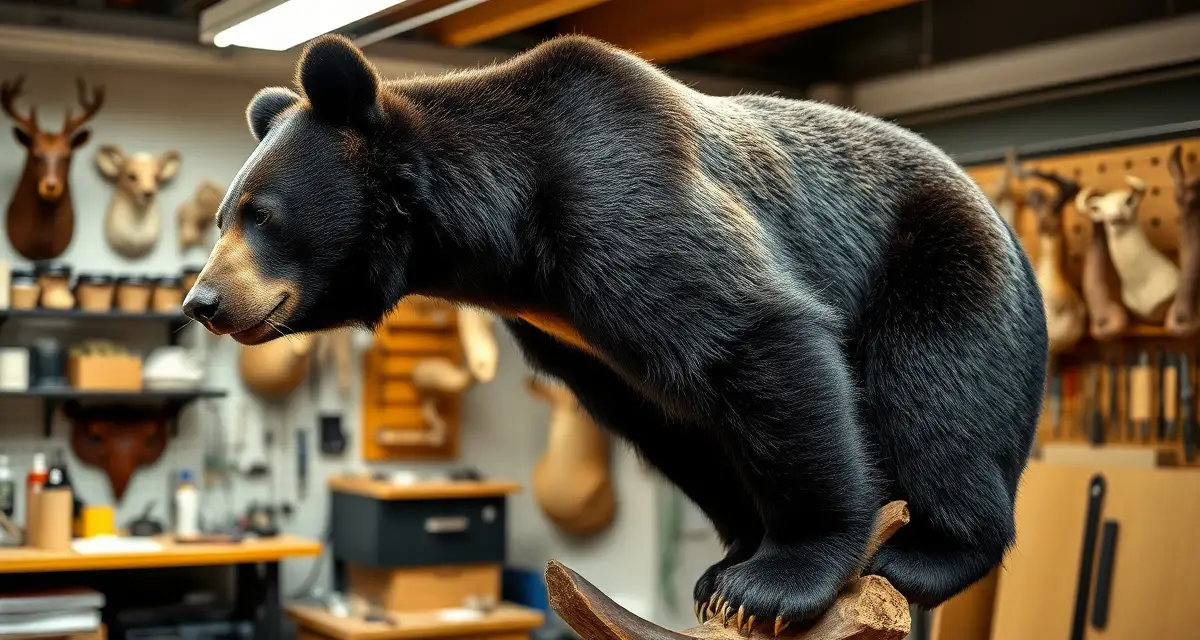
Bear Taxidermy Job Tracking: Manage High-Risk High-Value Specimens
A full black bear mount averages $1,500 to $3,000. A grizzly or brown bear can run $4,000 to $8,000 or more. These are the highest labor-cost, highest-value jobs in most shops, and the ones where state permit requirements, skull documentation, and precise measurement create unique compliance obligations at intake.
A full black bear mount mix-up doesn't cost $600. It costs $3,000 plus your credibility. Bear tracking requires a more rigorous chain of custody than deer, and the documentation requirements are more complex in most states.
TL;DR
- It also reassures customers, a hunter who paid $2,500 for a full-body bear mount appreciates seeing that their trophy is being tracked professionally.
- Full-body bear mounts take longer due to the form-fitting and extensive finishing work, plan for 10 to 14 months for a quality full-body black bear.
- Tannery timelines for bear hides: 10 to 16 weeks for most commercial operations.
- For a $2,500 full-body bear mount, every step in the chain-of-custody needs documentation:
- Bear mounts require specific intake fields (skull seal documentation, hide measurements, tannery assignment) that differ from deer intake.
- A black bear rug mount typically takes 6 to 10 months from intake to completion.
Bear-Specific Intake Requirements
Bear intake captures fundamentally different data than deer intake. The species-specific requirements in MountChief adapt automatically when you select a bear species.
Mandatory at intake for every bear:
- State harvest tag and license documentation
- Skull status, is the skull being retained? Cleaned separately? Does it require state sealing?
- Hide measurements, nose to tail, girth, paw width
- Condition assessment, hide damage, field prep quality, any areas requiring additional attention
- Photos, full body spread, condition documentation, any specific damage areas
Mount style determines intake needs:
- Full body: Require detailed body measurements, open/closed mouth preference, habitat selection, pose direction
- Rug mount: Pad thickness, backing selection, head mount style (open/closed mouth), eye color
- European skull: Skull cleaning method preference (maceration vs. beetles vs. boiling, note: boiling is discouraged for museum-quality skulls)
- Skull cap only: Documentation of cap measurements and display preference
Bear Skull Documentation Requirements
This is where many shops get caught. Most states with bear hunting seasons require bear skulls to be sealed by a state wildlife officer before the skull is legally possessed in processed form.
The sealing process:
- Hunter harvests bear
- Hunter contacts state wildlife agency
- Agency officer examines and seals the skull (typically within a set number of days of harvest)
- Documentation of the seal number is provided
What taxidermists need at intake:
- Evidence that the skull has been sealed (or is scheduled to be sealed)
- Seal number when available
If a customer brings in a bear skull without evidence of sealing, don't proceed with skull processing until the sealing is documented. Operating on an unsealed bear skull in states with mandatory sealing requirements creates direct compliance liability.
MountChief captures skull seal number as a required field for bear intake in states where sealing is required.
Bear Tannery Considerations
Bear hides are among the most challenging for tanneries. The thick, fatty skin requires specific processing techniques. Not all commercial tanneries handle bear well, it's worth having a dedicated bear tannery relationship rather than sending bear hides to your standard deer tannery.
Tannery timelines for bear hides: 10 to 16 weeks for most commercial operations. Longer for large brown or grizzly hides.
MountChief tracks bear tannery shipments separately from deer shipments if you use different tanneries. The customer sees "at tannery, expected return [date range]" in their portal throughout the process.
High-Value Job Protection
For a $2,500 full-body bear mount, every step in the chain-of-custody needs documentation:
- Intake photos, condition at drop-off documented
- QR tag, attached at intake, identifies the hide throughout the process
- Tannery shipment record, confirms which bear hide went in which box to which tannery
- Tannery return confirmation, scan confirms your specific hide came back
- Production milestone photos, visual record of work stages
This documentation protects you if a dispute arises. It also reassures customers, a hunter who paid $2,500 for a full-body bear mount appreciates seeing that their trophy is being tracked professionally.
Related Articles
- Deer Taxidermy Job Tracking: Manage Whitetail Season Volume
- Elk Taxidermy Intake Best Practices: 8 Rules for High-Value Mounts
- Exotic Species Taxidermy: CITES Compliance and Job Tracking
- Fish Mount Job Tracking: Manage Replicas and Skin Mounts
FAQ
How do I track bear mount orders?
QR code tracking from intake through every production stage. Bear mounts require specific intake fields (skull seal documentation, hide measurements, tannery assignment) that differ from deer intake. MountChief's species-specific intake captures these fields automatically when bear is selected. Tannery tracking is especially important for bear given the longer processing timelines.
How long does a black bear rug mount take?
A black bear rug mount typically takes 6 to 10 months from intake to completion. Tannery processing takes 10 to 16 weeks for bear hides. Full-body bear mounts take longer due to the form-fitting and extensive finishing work, plan for 10 to 14 months for a quality full-body black bear. Set these expectations clearly at intake.
What state records are required for bear taxidermy?
Most states with bear hunting seasons require bear skull sealing by a state wildlife officer before the skull can be legally processed. Required intake records typically include the hunter's license number, bear harvest tag, harvest date, harvest county or unit, and skull seal number. Specific requirements vary significantly by state, MountChief flags state-specific bear requirements at intake.
How does this apply to solo taxidermy shops?
The principles in this guide apply to solo shops just as they do to larger operations, though the scale differs. A single-person shop may have lower absolute volume but faces the same documentation, compliance, and customer communication requirements. The practical advice here scales down to any shop size.
What is the most common mistake taxidermists make with bear taxidermy tracking?
The most common mistake is treating bear taxidermy tracking as an afterthought rather than building it into the standard workflow from the start. Shops that encounter problems in this area typically did not establish clear processes before season, which means every situation becomes a one-off decision rather than a standard response.
Try These Free Tools
Put these insights into practice with our free calculators and planners:
Sources
- National Taxidermists Association (NTA)
- US Fish & Wildlife Service
- Breakthrough Magazine
- State wildlife agencies
- Small Business Administration (SBA)
Get Started with MountChief
Bear taxidermy requires more documentation than almost any other species, and MountChief has bear-specific fields built in from the start. Try MountChief before bear season to make sure every intake is complete, compliant, and ready for any inspection.