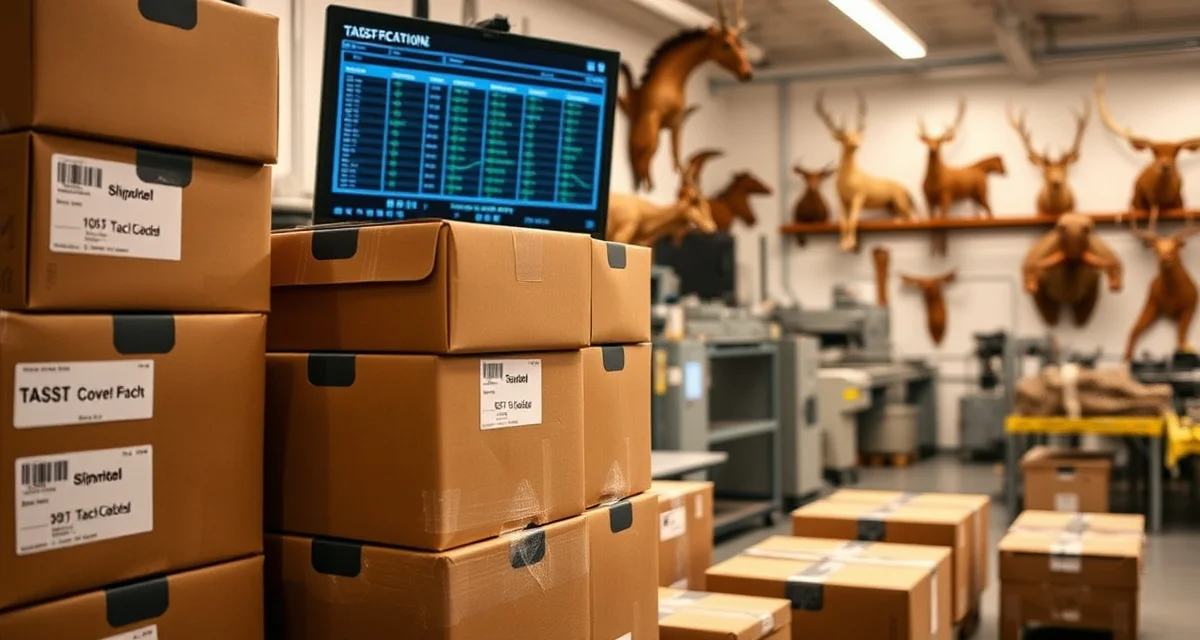
Tannery Shipment Tracking for Taxidermy Shops
The tannery is the biggest blind spot in taxidermy shop management. You spend months building customer relationships, you intake capes carefully, you tag everything properly, and then you put 40 hides in a box, ship them off, and go dark for 8 to 12 weeks.
Most shops lose track of where they are in the tannery process. They lose track of which tannery has which shipment. They lose track of when hides are due back. And when a customer calls in January asking about their deer shoulder mount, the taxidermist has to call the tannery and wait for a callback.
MountChief is the only taxidermy software that includes dedicated tannery shipment tracking. Here's how it works and why it matters.
TL;DR
- Now you're looking at 7 to 8 months and you need to have that conversation.
- A deer cape that should be back in 8 weeks comes back in 13.
- Standard commercial tannery processing for a white-tailed deer cape is typically 6 to 10 weeks.
- You spend months building customer relationships, you intake capes carefully, you tag everything properly, and then you put 40 hides in a box, ship them off, and go dark for 8 to 12 weeks.
- You told the customer 5 to 6 months.
- You can see at a glance: 40 deer capes at Tannery A, 3 bear hides at Tannery B, 2 elk capes at Tannery C.
Why Tannery Visibility Is a Real Problem
Tannery delays are the number one cause of missed customer timeline promises. A deer cape that should be back in 8 weeks comes back in 13. You told the customer 5 to 6 months. Now you're looking at 7 to 8 months and you need to have that conversation.
The earlier you know about a delay, the better that conversation goes. If you're tracking shipment dates and expected return windows, you can proactively reach out before the customer starts calling. "Hey, I wanted to let you know your hide is taking a little longer at the tannery than expected, we're now looking at August instead of July" is a completely different call than "I don't actually know where your hide is right now."
Most shops find out about tannery delays when the hide doesn't arrive on the date they guessed. That's reactive. Tannery tracking lets you be proactive.
How MountChief Tannery Tracking Works
Step 1: Log the shipment
When you pull hides to ship to the tannery, scan each QR tag in MountChief. The system creates a shipment record listing every hide in the box. Log the tannery name, ship date, and tracking number for the carrier.
Step 2: Set the expected return window
Based on the species and tannery's typical turnaround, set an expected return date range. MountChief displays this against each customer's portal so they can see their hide is "at the tannery, expected back [date range]."
Step 3: Track during processing
MountChief shows you a running list of all hides currently at the tannery, which shipment they're in, how long they've been there, and their expected return date. If something is running long, it's visible.
Step 4: Log the return
When the hides come back, scan each QR tag to confirm receipt. The system matches received hides against the original shipment. Any discrepancy, a hide that didn't come back, is immediately flagged.
Step 5: Automatic customer portal update
When you log a shipment and when you log a return, the customer portal updates automatically. The customer sees their hide left for the tannery, and then sees it came back. No manual update required.
Working With Multiple Tanneries
Many high-volume shops use different tanneries for different species or different work types, one tannery for deer capes, another for bears and exotics. MountChief tracks shipments to multiple tanneries simultaneously.
You can see at a glance: 40 deer capes at Tannery A, 3 bear hides at Tannery B, 2 elk capes at Tannery C. Each shipment has its own timeline. Each has its own customer records attached.
What to Do If the Tannery Loses a Shipment
It happens. Box gets misrouted. Hides mixed into the wrong batch. One cape comes back for every 40 sent.
When you have digital shipment records, you can provide the tannery with:
- Exact ship date
- Carrier tracking number
- List of hides in the shipment with species and customer reference
- QR tag identifiers for each hide
This is the documentation that actually helps tanneries locate missing hides. A phone call saying "I shipped some deer capes in November" isn't enough. A shipment manifest with QR codes and carrier tracking is.
Without tannery tracking records, a lost hide is lost. With them, most tannery disputes resolve in your favor.
Related Articles
- CITES Tracking for Taxidermy Shops: Stay Legal on Exotic Species
- How to Negotiate Tannery Pricing for Taxidermy Shops
- How Does AI Intake Work for Taxidermy Shops?
FAQ
How do I know where my hides are at the tannery?
With MountChief, you know because you logged the shipment when it went out, carrier tracking, tannery name, expected return window. For real-time status within the tannery, you can contact the tannery directly, but having your shipment records makes that call fast and productive. The alternative, calling with no reference information, almost always results in waiting for a callback.
How long does tannery processing take for deer capes?
Standard commercial tannery processing for a white-tailed deer cape is typically 6 to 10 weeks. High-volume tanneries during peak winter season may run longer. Wet-tan processes are faster than dry-tan for some tanneries. Your specific tannery relationship determines the realistic window, MountChief lets you set those expected return dates based on your actual experience with each tannery.
What should I do if the tannery can't find my shipment?
First, pull your shipment record from MountChief, ship date, carrier tracking number, and the list of hides in the box. Send that to the tannery operations manager directly, not just the front desk. Most tanneries can locate a shipment with the carrier tracking number even if their internal records are disorganized. If the shipment is genuinely lost, you'll need the documentation for a carrier insurance claim and for any customer liability discussions.
How does this apply to solo taxidermy shops?
The principles in this guide apply to solo shops just as they do to larger operations, though the scale differs. A single-person shop may have lower absolute volume but faces the same documentation, compliance, and customer communication requirements. The practical advice here scales down to any shop size.
What is the most common mistake taxidermists make with tannery shipment tracking?
The most common mistake is treating tannery shipment tracking as an afterthought rather than building it into the standard workflow from the start. Shops that encounter problems in this area typically did not establish clear processes before season, which means every situation becomes a one-off decision rather than a standard response.
Try These Free Tools
Put these insights into practice with our free calculators and planners:
Sources
- National Taxidermists Association (NTA)
- US Fish & Wildlife Service
Get Started with MountChief
Tannery visibility is the biggest operational gap at most taxidermy shops. MountChief's tannery tracking gives you a running log of every shipment, expected return, and actual return so you always know where every hide stands. Try MountChief to bring the tannery portion of your workflow under full control.