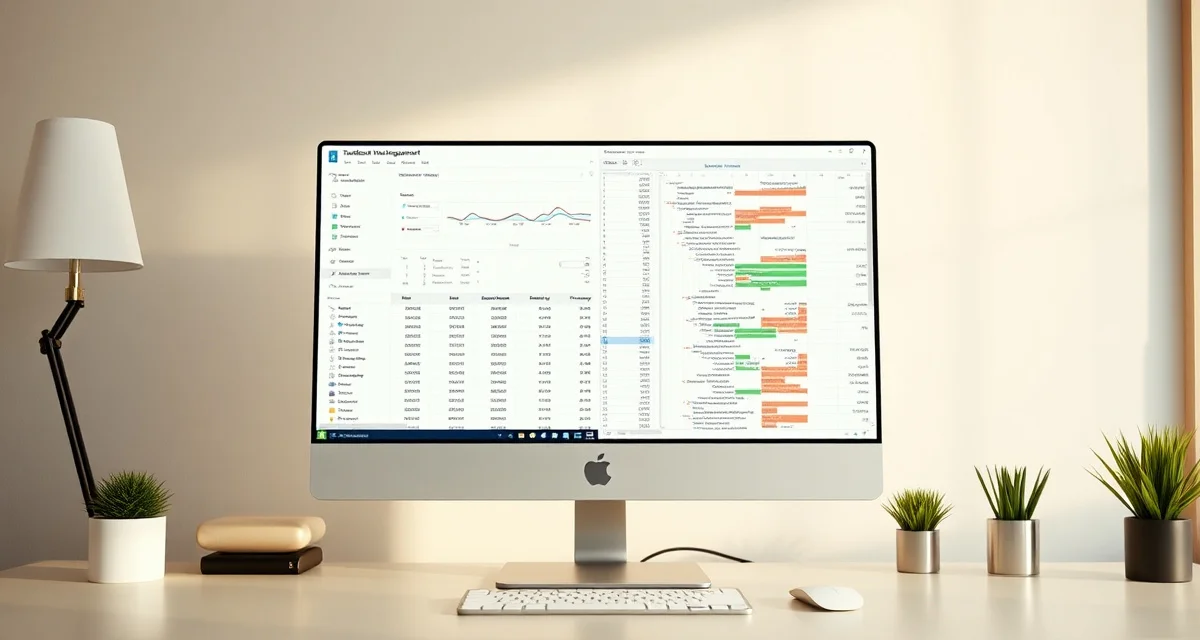
Taxidermy Software vs Spreadsheets: Why Shops Are Switching
TL;DR: Spreadsheets are free and flexible. They also can't send a customer a status update, survive a tannery chemical bath, flag a CITES violation, or log a voice note. For shops doing 100+ mounts per year, the hidden cost of manual systems, in time, liability, and missed revenue, vastly exceeds $79 per month.
TL;DR
- Manual systems have mix-up rates 5x higher than QR-tracked shops.
- Most shops make the switch between 100 and 200 mounts per year, when the volume gets high enough that the manual overhead becomes genuinely painful.
- For shops doing 100+ mounts per year, the hidden cost of manual systems, in time, liability, and missed revenue, vastly exceeds $79 per month.
- Time cost: At 200 mounts per year with 20-minute manual intake, that's 66+ hours annually at the intake desk alone.
- Status call cost: 10 status calls per day at 7 minutes each during a 60-day season = 70 hours of production time.
- For a shop doing 30 to 50 mounts a year, a spreadsheet probably works fine.
Head-to-Head Comparison
| Feature | Dedicated Software (MountChief) | Spreadsheets | Paper/Binders |
|---|---|---|---|
| Monthly cost | $79 | Free | ~$10–30 supplies |
| AI intake | Yes, 3 min/specimen | No | No |
| Customer portal | Automatic | Manual email | Phone only |
| QR specimen tags | Yes, survives tannery | No | Paper tags only |
| Tannery tracking | Yes | Manual log | None |
| SMS/email updates | Automatic | Manual | None |
| Voice notes | Yes | No | No |
| Wildlife compliance | Automated flagging | Manual research | None |
| Mix-up prevention | Chain-of-custody QR | Prone to data errors | Tag failure common |
| Mobile access | Yes, full featured | Limited | N/A |
| Backup / disaster recovery | Cloud | Manual save | Fire/flood risk |
The Case for Spreadsheets
Let's be honest, spreadsheets aren't stupid. A well-built Google Sheet can track job status, customer contact info, intake dates, and even tannery shipments if you build the formulas right.
For a shop doing 30 to 50 mounts a year, a spreadsheet probably works fine. You know every customer personally, you can remember where most jobs are, and the phone calls are manageable.
Spreadsheets also cost nothing. If you're just starting out or running a part-time operation, the math doesn't favor paying $79 a month.
Who uses spreadsheets well:
- Part-time or hobbyist taxidermists (under 75 mounts/year)
- Shops just starting out, still building their workflow
- Taxidermists who prefer full manual control of their data
Where Spreadsheets Break Down
Peak season volume
When you go from 5 mounts a week to 20 mounts a week in November, a spreadsheet becomes a liability. You're adding rows fast, updating them inconsistently, and relying on whoever opened the file last to have saved it correctly. During the two-week deer season push, errors compound daily.
Customer communication
A spreadsheet has no outbound messaging. If a customer's status changes, you have to remember to email them, find their address, write the message, and send it. At 200 active jobs, that's a full-time job on its own.
Specimen tracking through the tannery
You can log "shipped to tannery 11/15" in a spreadsheet. You can't scan a QR tag in your shop and have it auto-update the corresponding row. You can't log a return receipt and have it push an update to the customer portal. The manual work required to keep a tannery tracking spreadsheet current is more than most shops actually do.
Wildlife compliance
A spreadsheet doesn't know that the species you just entered is a CITES Appendix II animal that requires a permit number. It doesn't flag when a customer brings in a wood duck and you haven't verified the federal salvage permit. Compliance in a spreadsheet is entirely dependent on the taxidermist's knowledge and memory.
Mix-up prevention
If a paper tag falls off a deer cape in the tannery, and they do, regularly, within 24 to 48 hours of chemical exposure, your spreadsheet row doesn't help you. You need a durable physical identifier linked to a digital record. That's what QR tags provide.
The Real Cost of Manual Systems
Time cost: At 200 mounts per year with 20-minute manual intake, that's 66+ hours annually at the intake desk alone. AI intake brings it under 10 hours. You recover 56+ hours of bench time per year.
Status call cost: 10 status calls per day at 7 minutes each during a 60-day season = 70 hours of production time. A customer portal eliminates 90% of those calls.
Liability cost: One specimen mix-up at average claim value of $1,000 to $5,000 covers years of software cost. Manual systems have mix-up rates 5x higher than QR-tracked shops.
Compliance cost: One USFWS compliance failure averages $8,000 to $15,000 in fines and legal fees. Automated flagging at intake is the only reliable prevention.
Who Switches from Spreadsheets to Software
Most shops make the switch between 100 and 200 mounts per year, when the volume gets high enough that the manual overhead becomes genuinely painful. The trigger is usually one of three things:
- A specimen mix-up that costs real money
- A deer season where status calls ate the entire production schedule
- A compliance scare that made the liability real
The shops that wait until after one of those events pays off the lesson the hard way.
Related Articles
- Best Taxidermy Software for Solo Shops in 2026
- Best Final Shot Taxidermy Software Alternative for Modern Shops
- Taxidermy Shop Management Software for Alabama Shops
- Taxidermy Shop Management Software for Alaska Shops
FAQ
Can I manage a taxidermy shop with spreadsheets?
Yes, and plenty of part-time and low-volume shops do. The breaking point is around 100 mounts per year. Above that, the manual overhead of status communication, tannery tracking, and compliance documentation becomes a significant time cost. Dedicated software automates the work that spreadsheets require you to do manually.
What are the risks of manual tracking?
The main risks are specimen mix-ups (paper tags fail in tannery chemicals), compliance violations (no automated flagging for regulated species), and customer communication failures (no automated updates means customers call). Any one of these can cost more in a single incident than a year of software subscriptions.
How long does it take to switch from spreadsheets to software?
MountChief can be operational in a few hours. Migrating historical customer data from a spreadsheet takes additional time depending on record volume, but you can start taking new jobs digitally immediately. Most shops complete the full transition during an off-season or slower period to minimize disruption.
How does this apply to solo taxidermy shops?
The principles in this guide apply to solo shops just as they do to larger operations, though the scale differs. A single-person shop may have lower absolute volume but faces the same documentation, compliance, and customer communication requirements. The practical advice here scales down to any shop size.
What is the most common mistake taxidermists make with taxidermy software vs spreadsheets?
The most common mistake is treating taxidermy software vs spreadsheets as an afterthought rather than building it into the standard workflow from the start. Shops that encounter problems in this area typically did not establish clear processes before season, which means every situation becomes a one-off decision rather than a standard response.
Try These Free Tools
Put these insights into practice with our free calculators and planners:
Sources
- National Taxidermists Association (NTA)
- US Fish & Wildlife Service
- Taxidermy Today
- Small Business Administration (SBA)
Get Started with MountChief
The right shop management software is the foundation of a well-run taxidermy operation. MountChief combines AI intake, tannery tracking, customer portal communication, and compliance documentation in one platform built specifically for taxidermists. Try MountChief free and see the operational difference in your first week.