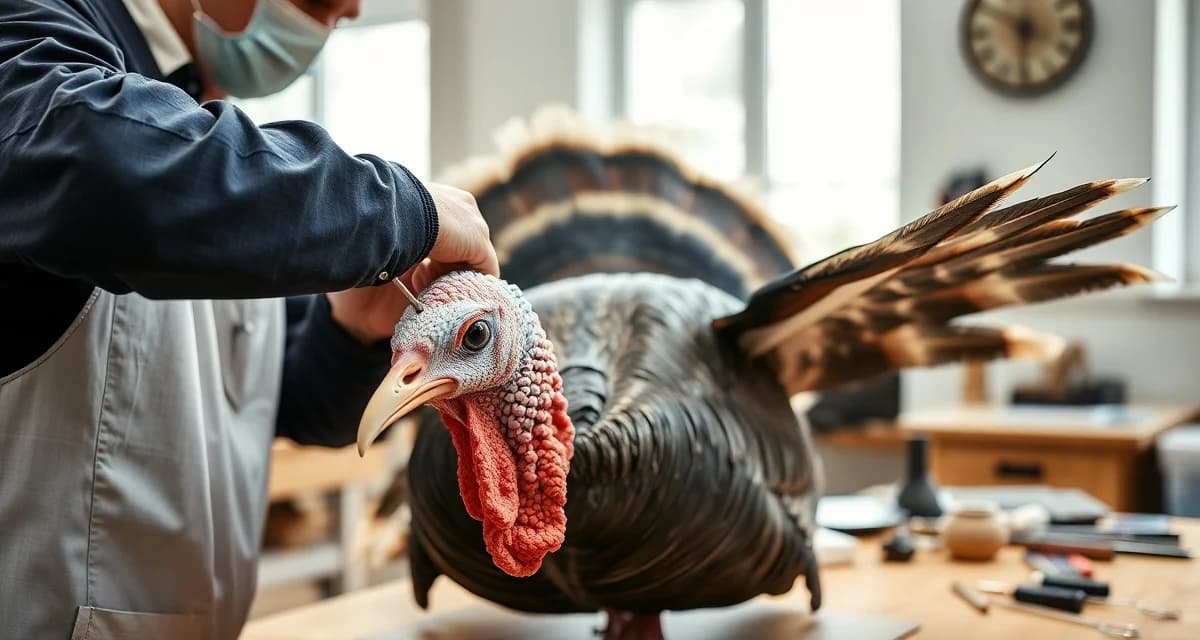
Spring Turkey Season Preparation for Kansas Taxidermy Shops
Kansas turkey season draws non-resident hunters from across the country. The state's Rio Grande and Eastern turkey hybrids produce some of the largest, most impressive gobblers in the Midwest, and hunters who travel specifically to Kansas for turkey carry the same expectation as any destination hunter, they want a mount that does justice to the bird they worked hard to harvest.
For Kansas taxidermists, spring turkey season means managing both local hunters and out-of-state customers who won't be back in Kansas for their finished mount pickup.
TL;DR
- Your Kansas taxidermy shop management records need to reflect the subspecies distinction.
- Non-resident hunters in Kansas must hold a non-resident spring turkey license, which has a specific license number different from a general resident license.
- Full body turkey mounts require a bird-capable tannery.
- Records for all wildlife received must include customer name, address, Kansas hunting permit number, species, and date received.
- Your records (including the significant non-resident portion of your spring turkey intake) must be complete, organized, and accessible.
- For Kansas taxidermists, spring turkey season means managing both local hunters and out-of-state customers who won't be back in Kansas for their finished mount pickup.
Kansas Spring Turkey Season Dates
Kansas spring turkey season: Early April through mid-May (approximate dates vary by year, verify with KDWP)
Youth season: Opens before the general season by several days
Kansas has excellent bird numbers across much of the state, and the season timing aligns with peak gobbling activity. The first week and last week of the season typically see the most non-resident hunter activity as out-of-staters time their trips around vacation schedules and peak gobbler behavior.
Kansas Turkey Species Documentation
Kansas hunting involves both Rio Grande and Eastern wild turkey, along with significant hybrid zones across the state. At intake, documenting which subspecies (or hybrid) the hunter harvested matters for scientific accuracy on the mount and for completeness of your records.
Rio Grande turkeys and Eastern turkeys have visible differences in fan coloration, body size, and feather patterning. Document the subspecies at intake and photograph carefully. These visual characteristics affect how a quality taxidermist will approach the mount.
KDWP records at intake should include species (wild turkey), subspecies if known, customer permit number, and harvest county. Your Kansas taxidermy shop management records need to reflect the subspecies distinction.
KDWP Licensing and Record Requirements
Kansas requires a valid KDWP taxidermist license. Records for all wildlife received must include customer name, address, Kansas hunting permit number, species, and date received.
Non-resident hunters in Kansas must hold a non-resident spring turkey license, which has a specific license number different from a general resident license. Your intake form should capture whether the hunter is resident or non-resident and collect the appropriate permit number.
KDWP compliance inspections can occur. Your records (including the significant non-resident portion of your spring turkey intake) must be complete, organized, and accessible.
Managing Out-of-State Turkey Hunter Communication
Kansas turkey season is short. Non-resident hunters drive in, hunt for a few days or a week, and drive home. They'll drop off their bird and won't be back until well after the turkey mount is finished. Likely a year or more later.
These customers need your customer portal. Send the login link in your intake confirmation text or email before they leave Kansas. Collect their complete home address for the finished mount and discuss shipping logistics at intake, turkey mounts ship more easily than deer, but freight for a full body mount is still a conversation to have early.
The spring turkey season guide has communication templates for out-of-state turkey hunters that work specifically for the Kansas season timing and customer profile.
Turkey Mount Types at Kansas Intake
Kansas hunters commonly request:
- Fan, beard, and spur display boards (highest volume, fastest production)
- Strutting full body mounts (high value, longer timeline)
- Turkey shoulder mounts (less common but requested by some hunters)
- Tail fan only on decorative backing (entry-level, popular with youth hunters)
Document the specific mount type at intake and confirm the pose preference for any full body mounts while the hunter is present. Getting these decisions documented at intake prevents weeks of phone tag later.
Beard length and spur length should be measured and recorded at intake for any display work. Hunters care about these measurements and it's much easier to capture them at drop-off than to try to measure dried beard/spurs later.
Tannery Coordination for Turkey Work
Full body turkey mounts require a bird-capable tannery. Not all mammal tanneries handle birds. Confirm before season that your tannery accepts wild turkey and has capacity during your expected shipment window.
Turkey tannery timelines are typically shorter than big game. Four to eight weeks is standard. For Kansas shops processing significant turkey volume, shipment batching in the first two weeks after season helps manage the turnaround efficiently.
Related Articles
- Spring Turkey Season Preparation for Tennessee Taxidermy Shops
- Bear Season Preparation for Maine Taxidermy Shops
FAQ
How do Kansas taxidermists prepare for spring turkey season?
Prepare before April 1: update intake forms with turkey-specific fields including subspecies documentation, confirm your tannery handles birds and has capacity, verify KDWP licensing is current, stock bird-specific intake supplies, and configure your customer portal for out-of-state communication. Kansas turkey preparation is lighter than deer season prep, but the non-resident customer volume makes portal setup especially important.
How do KS shops handle non-resident turkey hunter customer communication?
At intake, send the portal link in the confirmation message before the hunter leaves Kansas. Collect their home address for the finished mount. Discuss shipping upfront, a full body turkey mount requires freight shipping, which is something to plan for before completion, not after. Non-resident hunters who have portal access and clear shipping expectations require almost no follow-up communication from your side.
What KDWP records are required for Kansas turkey taxidermy?
KDWP requires written records for all wildlife received including customer name and address, hunting permit number (distinguish resident vs. non-resident permits), species and subspecies if applicable, and date received. Records must be maintained and available for KDWP inspection. Turkey hunters have specific spring turkey licenses separate from general hunting licenses. Capture the correct permit number at intake.
How does this apply to solo taxidermy shops?
The principles in this guide apply to solo shops just as they do to larger operations, though the scale differs. A single-person shop may have lower absolute volume but faces the same documentation, compliance, and customer communication requirements. The practical advice here scales down to any shop size.
What is the most common mistake taxidermists make with turkey season prep kansas?
The most common mistake is treating turkey season prep kansas as an afterthought rather than building it into the standard workflow from the start. Shops that encounter problems in this area typically did not establish clear processes before season, which means every situation becomes a one-off decision rather than a standard response.
Try These Free Tools
Put these insights into practice with our free calculators and planners:
Sources
- National Taxidermists Association (NTA)
- US Fish & Wildlife Service
- Ducks Unlimited
Get Started with MountChief
Turkey season brings its own intake window and documentation requirements, including federal migratory bird records for every job. MountChief handles turkey intake with the same speed and compliance documentation as deer and waterfowl. Try MountChief before turkey season opens.