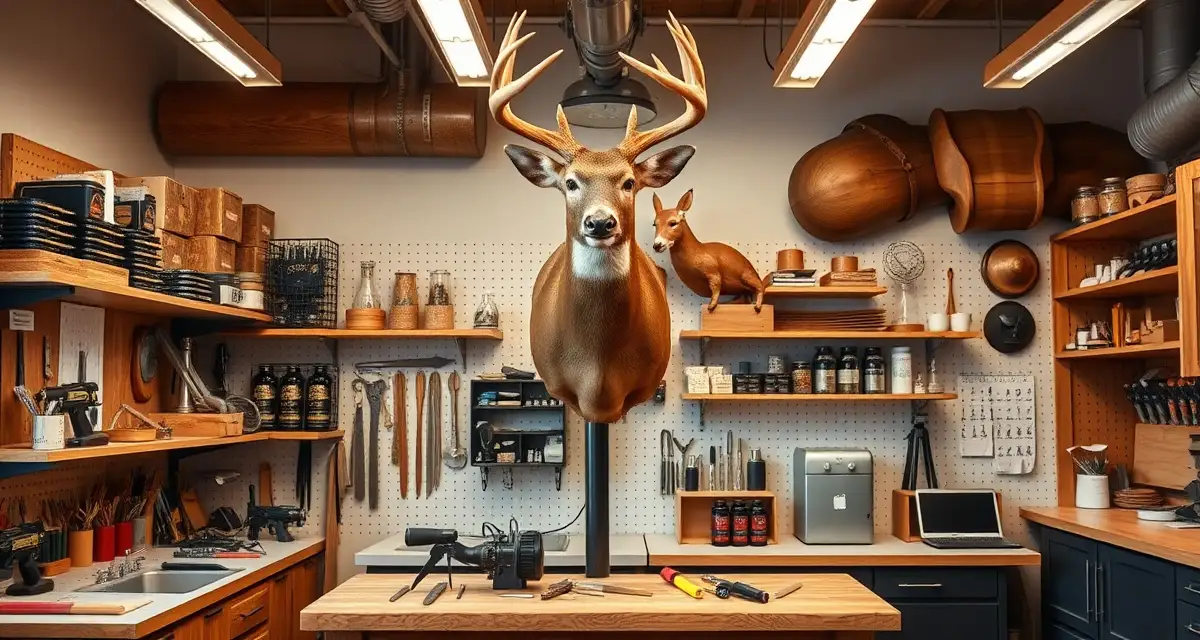
Taxidermy Shop Management Software for Kansas Shops
Kansas produces more record-book whitetails than nearly any other state. The state's agricultural river bottom country, the Kansas River corridor, the Flint Hills edges, consistently produces Boone & Crockett caliber deer. Non-resident Kansas deer tags drive significant out-of-state customer volume for taxidermists across the state.
TL;DR
- Automated milestone notifications, shipped to tannery, back from tannery, ready for pickup, keep distant customers informed throughout the 8 to 12 month production period.
- Out-of-state hunters can check their Kansas trophy anytime without calling the shop.
- Mule deer shoulder mounts, pedestal mounts, and european mounts are all common in western Kansas shops.
- Out-of-state hunters get a tracking link at intake and can check their mount status anytime without calling.
- The principles in this guide apply to solo shops just as they do to larger operations, though the scale differs.
- A single-person shop may have lower absolute volume but faces the same documentation, compliance, and customer communication requirements.
Kansas Deer and the Out-of-State Customer
Kansas non-resident deer tags are among the most sought-after in the Midwest. Hunters come from across the country, which means Kansas taxidermists regularly serve customers who live hundreds of miles away.
Those out-of-state customers have specific needs:
- They want digital status updates, not phone calls
- They need to know their trophy is properly documented and tracked
- They may want the mount shipped to them rather than picking it up in person
- They're often trophy hunters willing to pay for premium service
The customer portal converts potential status calls from Texas or Missouri into self-service lookups. Out-of-state hunters can check their Kansas trophy anytime without calling the shop.
KDWP Compliance Requirements
Kansas Department of Wildlife and Parks requires:
- State taxidermy license
- Hunter license and deer tag documentation at intake
- Written intake records for all game species
- Records available for KDWP inspection
Kansas's deer management system includes distinct hunt units with different season dates, so documentation of the harvest unit matters alongside the license information.
Mule Deer in Western Kansas
Western Kansas produces mule deer alongside whitetail, adding a second species with different mount specifications to the intake mix. Mule deer shoulder mounts, pedestal mounts, and european mounts are all common in western Kansas shops.
MountChief's species-specific intake fields handle the different measurement and documentation requirements for mule deer versus whitetail in the same workflow.
Related Articles
- Taxidermy Shop Management Software for California Shops
- Taxidermy Shop Management Software for Colorado Shops
- Taxidermy Shop Management Software for Connecticut Shops
- Taxidermy Shop Management Software for Delaware Shops
FAQ
What KDWP records must Kansas taxidermists keep?
Kansas KDWP requires taxidermist licensing and written intake records for all game species including customer information, species, harvest date, harvest unit, and hunter license documentation. Records must be available for KDWP inspection.
Does Kansas require a taxidermy license?
Yes. Kansas requires a state taxidermy license through KDWP. Operating without current licensing is a violation of state wildlife law.
How do Kansas shops handle out-of-state customer communication?
A customer portal is the most effective solution. Out-of-state hunters get a tracking link at intake and can check their mount status anytime without calling. Automated milestone notifications, shipped to tannery, back from tannery, ready for pickup, keep distant customers informed throughout the 8 to 12 month production period.
How does this apply to solo taxidermy shops?
The principles in this guide apply to solo shops just as they do to larger operations, though the scale differs. A single-person shop may have lower absolute volume but faces the same documentation, compliance, and customer communication requirements. The practical advice here scales down to any shop size.
What is the most common mistake taxidermists make with taxidermy shop management kansas?
The most common mistake is treating taxidermy shop management kansas as an afterthought rather than building it into the standard workflow from the start. Shops that encounter problems in this area typically did not establish clear processes before season, which means every situation becomes a one-off decision rather than a standard response.
Try These Free Tools
Put these insights into practice with our free calculators and planners:
Sources
- National Taxidermists Association (NTA)
- US Fish & Wildlife Service
- Small Business Administration (SBA)
Get Started with MountChief
Professional taxidermists need more than talent at the bench. They need organized intake, clear compliance records, and reliable customer communication. MountChief delivers all three.