How Do Taxidermists Prevent Specimen Mix-Ups?
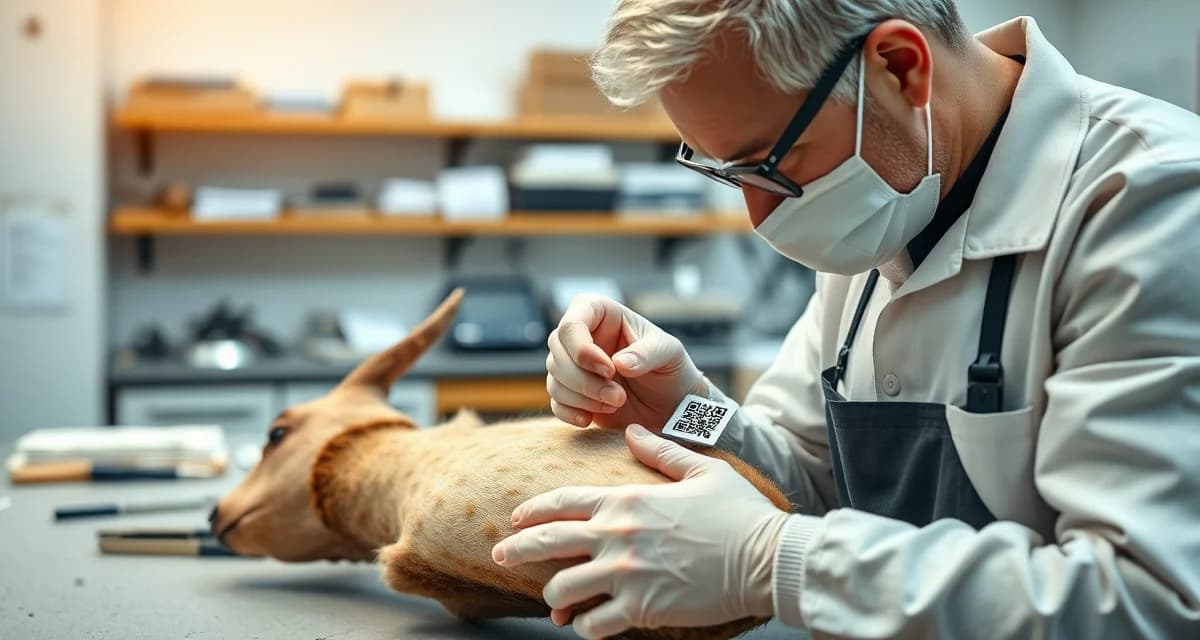
The short answer: Professional shops use permanent QR tags attached to specimens at intake, before any processing begins, combined with photo documentation and digital tracking. The QR tag survives tannery chemicals and stays with the specimen through the entire process, making mix-ups essentially impossible when the system is followed consistently.
TL;DR
- Specimen mix-ups are the single most damaging mistake a taxidermist can make for customer trust.
- QR code tagging at intake, applied before anything else, is the most reliable prevention.
- Every physical piece of a job, cape, antlers, skull, and paperwork, should carry matching identification.
- Mix-ups most often happen during high-volume intake periods when shortcuts are taken.
- Digital records tied to QR tags create an unbroken chain of custody from intake to delivery.
- Tannery shipment manifests should match your intake records exactly.
The Mix-Up Risk Is Real
A specimen mix-up happens when two similar specimens are misidentified during the production process. The most common scenario: two similar whitetail capes come back from the tannery, the paper identification tags have degraded, and the taxidermist matches the wrong cape to the wrong customer record.
The consequences range from annoying to expensive. A customer who notices at pickup that the antler configuration doesn't match their harvest photos isn't going to stay quiet. Remounting the wrong specimen, providing there's a way to fix it at all, costs hundreds of dollars in materials and labor, plus the customer relationship.
Mix-ups happen more frequently than the industry admits. At shops processing 200+ similar-species specimens per season using paper tags, the conditions for error are structurally present.
How QR Tags Prevent Mix-Ups
A QR tag, when properly implemented, is different from a paper tag in one critical way: it's physically durable enough to survive the tannery.
Paper tags deteriorate in the borax treatment, the salt cure, and especially in tannery chemicals. By the time a hide comes back from the tannery, the paper tag is often illegible or missing entirely.
QR tags used in professional taxidermy tracking systems (like those from MountChief) are specifically designed for tannery conditions, laminated or epoxy-encased to resist chemical exposure and moisture. The code remains scannable after full tannery processing.
The process:
- At intake, a QR tag is assigned to the job record in the software
- The tag is physically attached to the specimen at intake, before any prep work
- The QR links to the full job record including intake photos
- When the specimen returns from the tannery, each hide is scanned
- The scan confirms the identity and updates the job stage automatically
If two similar-looking hides come back without readable tags, the intake photos, attached to each job record, serve as the backup. Photograph the antler configuration at intake and you can always confirm which cape belongs to which customer.
The Photo Documentation Backup
Even without QR tags, thorough photo documentation at intake creates a verification system.
For deer shoulder mounts: photograph the antler configuration from the front and side at intake. Antler configuration, number of points, beam shape, spread, any abnormal tines, is unique to each animal. When a tanned cape comes back with a deteriorated tag, comparing the cape to the intake photos can still confirm identity with high confidence.
Professional shops photograph at minimum:
- Full cape with antlers visible
- Close-up of each antler from front, side, and above
- Any unique markings, scars, or damage
- The harvest tag and license, readable and in-frame
MountChief's AI intake process photographs all of this as part of the standard intake flow and attaches every photo to the job record automatically.
The Paper Tag Limitation
Some shops still use physical paper or plastic cable tags as their primary identification system, with the customer's name or a job number written on the tag. This is better than nothing but has failure modes:
- Tags deteriorate in chemical processing
- Tags can detach from specimens during handling
- At high volume, similar-looking tags on similar-looking capes create sorting challenges
The cable tag backup of writing the customer's last name directly on the cape with laundry marker is common and useful, but:
- Marker fades in tannery chemicals
- If two customers share the same last name (or similar last names), it provides less distinction
- Handwriting degrades when wet
These limitations aren't fatal for low-volume shops, but become more problematic as volume increases.
What to Ask Your Taxidermist
If you want to confirm your taxidermist has a mix-up prevention system, ask:
- "How do you identify specimens when they come back from the tannery?"
- "What kind of tags do you use, and do they survive the tanning process?"
- "Do you photograph specimens at intake?"
A taxidermist with a solid system will answer these questions confidently and specifically. A taxidermist who gets vague or defensive about identification procedures is one to ask further questions of.
Related Articles
- What Records Must Iowa Taxidermists Keep for Deer?
- What Records Must Michigan Taxidermists Keep for Deer?
- What Records Must Minnesota Taxidermists Keep for Deer?
- What Records Must North Carolina Taxidermists Keep for Deer?
FAQ
Has my specimen been mixed up if my mount looks slightly different from my harvest photos?
Not necessarily. Taxidermy involves interpretation, the finished mount is a recreation, not a perfect replica. The hide itself changes during tanning (shrinkage and stretching are normal), and the finished positioning depends on the form chosen. Minor differences between a harvest photo and a finished mount are expected. Significant differences, wrong antler count, dramatically different configuration, clearly wrong body size, warrant a direct conversation with your taxidermist.
Can mix-ups happen even with QR tags?
A mix-up is essentially impossible if the QR system is followed consistently, meaning the tag goes on at intake, stays on through the tannery, and is scanned at return. The failure mode is when the protocol breaks down: a tag is attached late, a scan is skipped, or a cape is handled without confirming the QR before moving it. QR systems don't prevent human error in the process; they reduce the error surface dramatically when the process is followed.
What should I do if I suspect my mount was mixed up?
Bring your harvest photos to pickup. If the mount doesn't match your harvest photos in ways that can't be explained by normal taxidermy variation (wrong antler count, clearly wrong species or sex), say so directly and calmly. Ask the taxidermist to check their intake records and photos. A professional shop with good documentation can usually resolve the question quickly. If the records are incomplete and the issue is unresolved, discuss the options, which may include tracking down the other customer's mount.
What is the most common cause of specimen mix-ups at taxidermy shops?
Mix-ups most commonly occur during peak intake when multiple specimens are being processed simultaneously and tagging is rushed or skipped. A cape removed from a skull and set aside without immediate identification is a mix-up waiting to happen. The solution is non-negotiable: no specimen moves without a tag, and tagging happens before any other step.
How do I tag a specimen at intake to prevent mix-up?
Apply a waterproof tag with a unique job number to every physical component of the job before anything else happens. For a deer shoulder mount this means the cape and the antlers/skull, separately. Use tags that can withstand moisture and the tannery process. QR code tags that link to the digital job record give you a scan-to-verify capability at every stage.
How do I handle a suspected mix-up that I discover mid-production?
Stop work immediately on the affected jobs. Review intake photos, measurements, and any other identifying information to determine if a mix-up has occurred. If it has, contact both customers honestly and explain the situation. The way you handle a confirmed mix-up defines your shop's reputation more than the fact that it happened.
Try These Free Tools
Put these insights into practice with our free calculators and planners:
Sources
- National Taxidermists Association (NTA)
- Breakthrough Magazine
- Taxidermy Today
Get Started with MountChief
Preventing specimen mix-ups starts at intake, before the first job moves an inch. MountChief's QR tagging system applies a unique tag to every job at intake and ties every physical piece to a digital record you can scan and verify at any stage of production. Try MountChief to eliminate mix-up risk from your shop.