Can Hair Slippage on a Deer Cape Be Fixed?
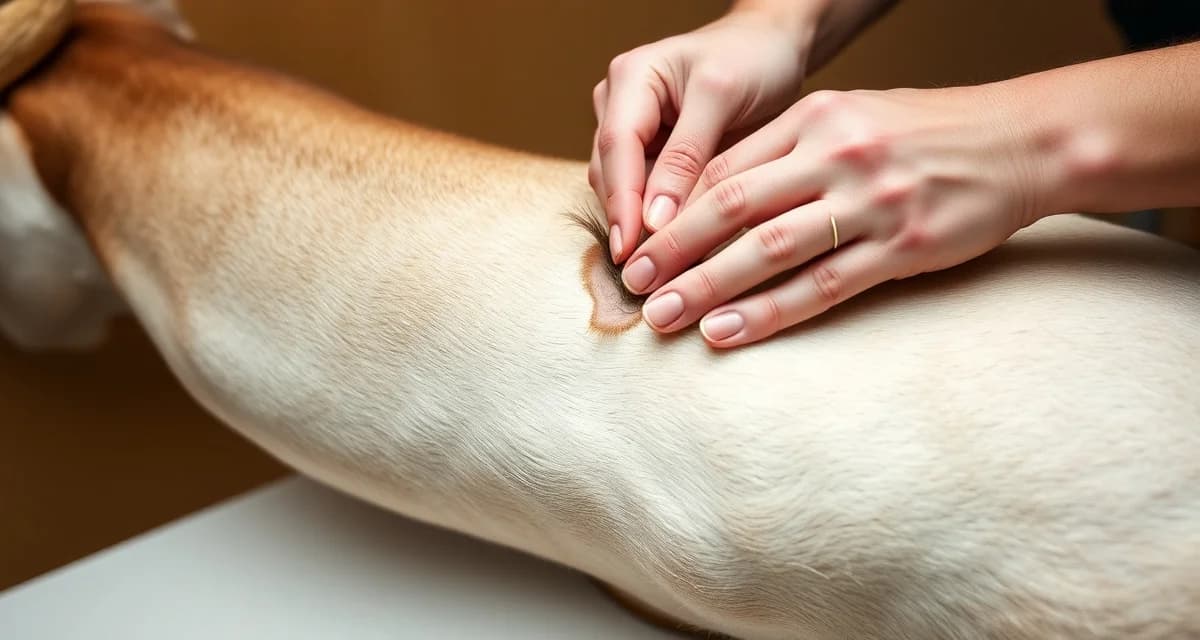
Minor hair slippage, isolated patches under 3-4cm with the skin intact beneath, can sometimes be addressed with touch-up hair added to the affected area. This is a skill-dependent repair that can produce acceptable results on low-visibility areas of the mount (back of the neck, brisket area, below the ears).
Severe hair slippage documented at intake relieves the taxidermist of replacement liability. Most hair slip claims against taxidermists succeed only when intake documentation is absent. If you didn't document the slippage when the cape arrived, the customer's claim that the cape was perfect at drop-off carries as much weight as your memory of what it looked like.
TL;DR
- Hair slippage is caused by bacterial decomposition of the hide and cannot be fully reversed once it occurs.
- Minor slippage in low-visibility areas can sometimes be managed with careful mounting techniques.
- Slippage in the face, around the eyes, or on the nose typically shows in the finished mount.
- Document slippage at intake with photos and get customer acknowledgment before proceeding.
- Prevention through proper field care is the only reliable strategy; there is no repair for severe slippage.
What Causes Hair Slippage
Hair slippage is caused by decomposition of the skin's dermal layer, which loosens the hair follicle's attachment. The primary causes:
Heat exposure: The most common cause. A deer that isn't field-dressed and skinned within the appropriate window for the temperature develops heat damage that begins the decomposition process even if the animal looks fine externally.
Delayed freezing: A cape that's been in the bed of a truck for two days before dropping off at the shop may show slippage not because it was hot, but because the skin was working at temperatures too warm to prevent decomposition.
Improper field care: Poor cuts that damage the skin, or excessive moisture that promotes bacterial growth.
When Hair Slippage Is Fixable
Minor, isolated slippage in low-visibility locations can sometimes be addressed:
- Patches smaller than 3-4cm
- Located in less-visible areas (under the chin, back of neck, lower brisket)
- With intact skin beneath (the skin itself hasn't decomposed, only the follicle attachment)
The technique uses natural deer hair matched to the surrounding hair color and texture, attached to the skin surface in the affected area. On a finished mount in a less-visible location, the repair can be essentially invisible. On the face, in front of the ear, or across the top of the nose, visible areas, the repair is difficult to make undetectable.
When Hair Slippage Is Not Fixable
Severe slippage means the mount cannot be completed to an acceptable standard:
- Slippage covering more than 10-15% of the cape
- Slippage in high-visibility facial areas (around the eyes, on the forehead, across the nose)
- Skin decomposition beneath the slippage (the skin itself is breaking down, not just the follicle attachment)
- Cape odor indicating advanced decomposition
In these cases, the honest conversation with the customer is: "This cape cannot produce a quality mount. Here are your options: a European skull mount (which doesn't use the cape), a partial mount using only the parts of the cape that are intact, or a refund of the deposit."
Documentation at Intake Is Your Protection
The taxidermy intake form guide covers condition documentation in detail, including how to rate slippage severity and get customer authorization to proceed.
The chain of events when slippage is documented at intake vs when it isn't:
With documentation: Customer reviews and signs the condition assessment at intake. When the issue affects the finished mount, you show the signed record. "This is the condition I documented when it arrived. You authorized me to proceed with this understanding." Dispute resolved.
Without documentation: Customer claims the cape was in perfect condition. You have no record. Your word against theirs. This is where claims succeed against taxidermists.
Frequently Asked Questions
When is hair slippage too severe to mount a deer?
When slippage covers a significant portion of the cape, particularly in high-visibility facial areas (around the eyes, forehead, nose, cheeks), or when the skin itself is decomposing beneath the slippage rather than just the follicle attachment being loose, the cape cannot produce a quality mount. As a practical threshold: if you couldn't repair the slippage to a standard you'd display in your own shop, the cape is too far gone for a standard shoulder mount. Always document the severity and affected areas at intake and discuss the options with the customer before proceeding.
How do I document hair slippage at intake to protect my shop?
Photograph every slippage area with a reference object in frame to establish scale (a ruler works well). Write a specific description in the intake notes: location (e.g., "left cheek, 4cm below the left eye"), approximate size, and severity (partial slippage, full slippage, with or without skin decomposition beneath). Rate the overall cape condition using your standardized 1-5 scale. Have the customer sign or initial the condition assessment section of the intake form. For moderate to severe slippage (Condition 2-3), have the customer sign a specific authorization to proceed with understanding of the potential impact on the finished mount.
Can I charge for partial work on a cape that cannot be mounted?
Yes, in most cases. If you've completed assessment, fleshing, and preparation work before determining the cape can't be mounted, you've invested labor that can reasonably be charged as an assessment fee. This should be disclosed at intake, many taxidermists include language in their intake forms stating that if a cape is found to be unmountable during preparation, an assessment fee (typically $50-$150) applies. This fee covers your time and protects you from doing hours of work on a cape that turns out to be unusable. Get this policy in writing and have customers acknowledge it before intake is finalized.
Can a slipped cape be saved for mounting?
It depends entirely on where and how severe the slippage is. A cape with minor slippage in the brisket or back area may still produce an acceptable shoulder mount. Slippage across the face, particularly around the nose, lips, and eyes, produces visible defects in the finished mount that skilled work can minimize but not eliminate. Assess each case individually and be honest with the customer about the limitations.
How do I explain hair slippage to a customer?
Show them your intake photos and explain that slippage is a result of how the hide was handled before it reached you. Be specific: point to the areas affected and describe what the likely impact on the finished mount will be. Give them a choice about whether to proceed. Most hunters appreciate direct honesty over discovering the problem after the mount is complete.
Does every slipped cape need to go to the tannery?
Yes. The tannery process is still required regardless of slippage. The tannery does not fix slippage, but the preserved hide still needs proper chemical tanning to be stable long-term. The tannery step and the slippage limitation are independent considerations.
Related Articles
- How Should a Deer Cape Be Prepared for Winter Storage?
- Tips for the First Day of Deer Season at Your Taxidermy Shop
- What Records Must Florida Taxidermists Keep for Deer?
Try These Free Tools
Put these insights into practice with our free calculators and planners:
Sources
- National Taxidermists Association (NTA)
- Breakthrough Magazine
- Taxidermy Today
Get Started with MountChief
Documenting slippage at intake is what separates a professional shop from one that gets caught in unwinnable disputes. MountChief's intake system captures condition notes and photos so every slipped cape arrives with a documented record. Try MountChief to protect your shop when difficult specimens come in.