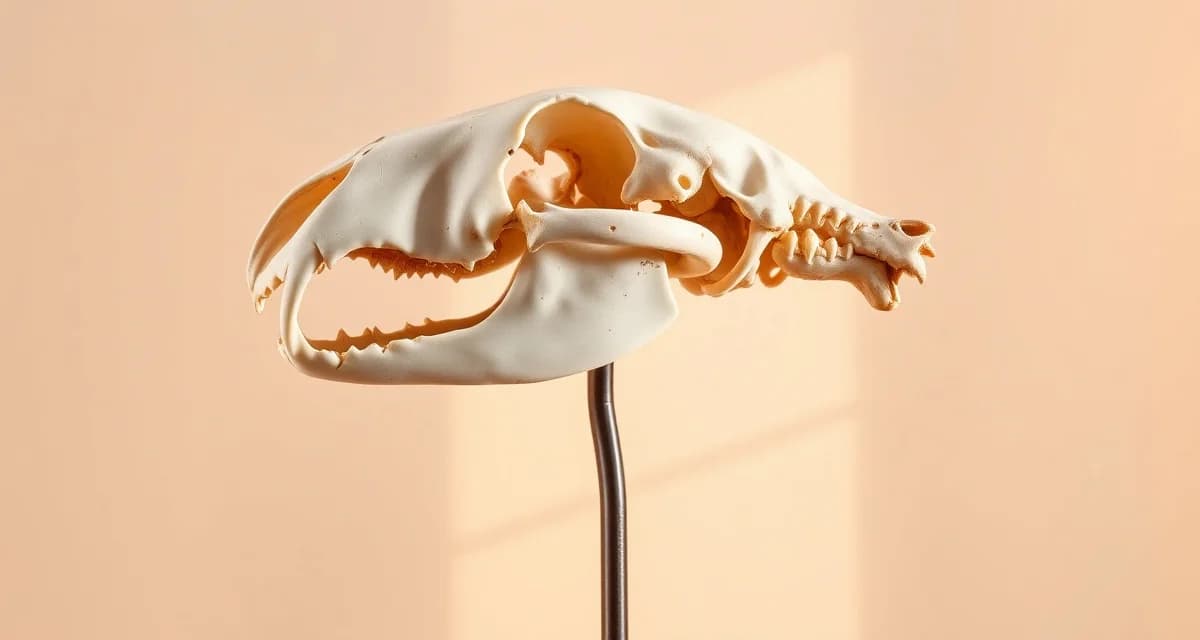
What Happens to a Bear Skull in Taxidermy?
The short answer: What happens to a bear skull depends on the type of mount. For an open-mouth rug or full-body mount, the skull is cleaned, treated, and used to support the mount with an open jaw. For a European skull mount, the entire skull is macerated and whitened for display. For a flat rug with a closed mouth, the skull may not be used at all.
TL;DR
- Bear skull mounts require skull sealing by a wildlife officer before you can legally accept the specimen.
- European-style bear skull mounts use maceration or beetle cleaning followed by whitening.
- Document skull condition with photos at intake, noting any existing cracks or missing teeth.
- Bear skulls are larger and denser than deer skulls and require longer processing times.
- Finished bear skull mounts typically take 6-12 weeks depending on cleaning method and shop volume.
The Options for a Bear Skull
Option 1: Open-Mouth Rug or Full-Body Mount with Natural Skull
This is the classic bear rug most people picture, the bear hide laid flat or mounted in a lifelike pose, mouth open, teeth visible. The real skull (or a cast of the skull) is cleaned, the jaw is articulated, and it's positioned to give the mount its characteristic open-mouth expression.
The skull cleaning process for an open-mouth mount:
- The skull is separated from the hide
- Remaining tissue is removed by maceration (soaking in warm water to allow bacterial breakdown) or dermestid beetles
- The skull is degreased to remove oils that would otherwise yellow and smell over time
- The teeth are cleaned and secured if any are loose
- The skull may be whitened with hydrogen peroxide to a clean white or left at its natural color
The cleaned skull is then positioned in the mount with the jaws open at the desired angle, supported by internal structure or directly attached to the body form.
Option 2: European Skull Mount (Skull Only)
For hunters who want the skull displayed separately, often alongside or instead of a full hide mount, a European skull mount processes the skull to remove all tissue, leaving clean white bone with teeth intact.
The process:
- The skull is separated from the carcass, with as much tissue removed as possible
- Maceration (most common method): The skull is submerged in warm water (not boiling) and held at approximately 130-140°F. Bacterial action removes remaining tissue over several days to several weeks depending on skull size
- Dermestid beetles (common in taxidermy studios): A colony of flesh-eating beetles clean the skull without heat, which some taxidermists prefer for preservation of delicate bone detail
- After cleaning, the skull is degreased by soaking in degreasing agent
- Final whitening with diluted hydrogen peroxide produces the classic white appearance
Bear European skull mounts can be displayed on a wooden plaque, a wall panel, or incorporated into a habitat-style display.
Option 3: Cast Skull (Reproduction)
For open-mouth mounts, some taxidermists use a commercially cast skull reproduction rather than the real skull. Reproduction skulls are:
- Consistent in size and quality
- Already positioned for mounting
- Available in multiple species/sizes
- Less time-intensive to prepare
If the natural skull is damaged (broken canine, cracked cranium), a reproduction is often the better choice for the finished mount's appearance.
Whether a natural or cast skull is used in your mount is worth asking about at intake, especially if having the original skull matters to you.
Bear Skull Considerations by Mount Type
Flat rug, closed mouth: The skull is typically not included. The hide is preserved, backed with felt, and displayed without the skull. Some hunters have the skull processed separately as a European mount.
Flat rug, open mouth: The skull (or cast skull) is cleaned and used to support the mouth in the open position.
Full-body mount: The skull anchors the face. For a lifelike full-body mount, the skull structure is essential for accurate facial features. The taxidermist builds the face around the skull form.
Head mount (just the head): The skull and cape are processed together to create a shoulder mount-style piece with open mouth. Requires the skull to be cleaned and articulated.
Timeline and Cost for Bear Skull Work
European skull mount for a bear: typically $150-$300 for the skull preparation alone, with an additional 4-10 weeks of processing time. Bear skulls are large and greasy, degreasing takes more time than deer skulls.
Open-mouth rug with skull: the skull work is typically included in the overall rug price, which ranges widely from $750 to $2,500+ depending on size, condition, and habitat.
Related Articles
- What Should a Hunter Do with a Bear Before the Taxidermist?
- What Happens if My Deer Cape Has Freezer Burn?
- What is the Best Taxidermy Software in 2026?
- Can I Sell Taxidermy?
FAQ
Can I keep the bear skull if I want a flat rug without a skull mount?
Yes. Tell your taxidermist at intake that you want the skull returned. They'll clean it to whatever degree you request, raw (you clean it), macerated and degreased, or fully whitened European style. Confirm this at intake so the skull isn't discarded during processing.
Do black bear and grizzly bear skulls require any special permits?
Black bear is not a CITES-regulated species in North America. No federal permits are required for possession or processing of legally harvested black bear skulls. Grizzly bear has complex regulations depending on location and status, if you're dealing with any grizzly work, check current USFWS guidance. For sport-hunted black bear in states with open seasons, standard state hunting documentation (license and tag) is the requirement.
How long does it take to macerate a bear skull?
Longer than most other species because of the skull's size and the bear's naturally high fat content. In a warm water maceration setup maintained at 130-140°F, a black bear skull typically takes 1-3 weeks. Grizzly bear skulls are larger and may take 2-4 weeks. Patience is critical, rushing maceration risks loosening teeth or damaging delicate bone structure. Most taxidermists factor skull cleaning time into the overall mount timeline.
What is the difference between maceration and beetle cleaning for bear skulls?
Maceration uses warm water to decompose soft tissue over several weeks. Beetle cleaning uses dermestid colonies to strip the skull cleanly with less odor and often better detail preservation on small bones. Both produce acceptable results. Beetle cleaning is faster for shops with established colonies, while maceration is accessible without specialized equipment.
How do I document a bear skull at intake?
Photograph the skull from multiple angles before accepting it. Note any existing cracks, missing teeth, or broken bone. Record the skull seal number issued by the wildlife officer. Document the harvest state, county, and date. This baseline documentation protects you if the customer later disputes the condition of the finished piece.
Can I ship a finished bear skull mount across state lines?
Yes, for legally harvested bears with proper documentation. Retain copies of the original skull seal documentation and include a copy of the intake record when shipping. Interstate transport of black bear parts may trigger CITES Appendix II requirements. Verify the destination state's requirements before shipping.
Try These Free Tools
Put these insights into practice with our free calculators and planners:
Sources
- US Fish & Wildlife Service, Office of Law Enforcement
- National Taxidermists Association (NTA)
- Breakthrough Magazine
- State wildlife agencies in bear-hunting states
Get Started with MountChief
Bear skull mounts require careful documentation from the moment a hunter walks in. MountChief's intake system includes fields for skull seal numbers, compliance flags, and specimen condition notes so every bear skull job starts with a complete record. Try MountChief before your next bear season.