What Is Skin Slip in Taxidermy and How Does It Happen?
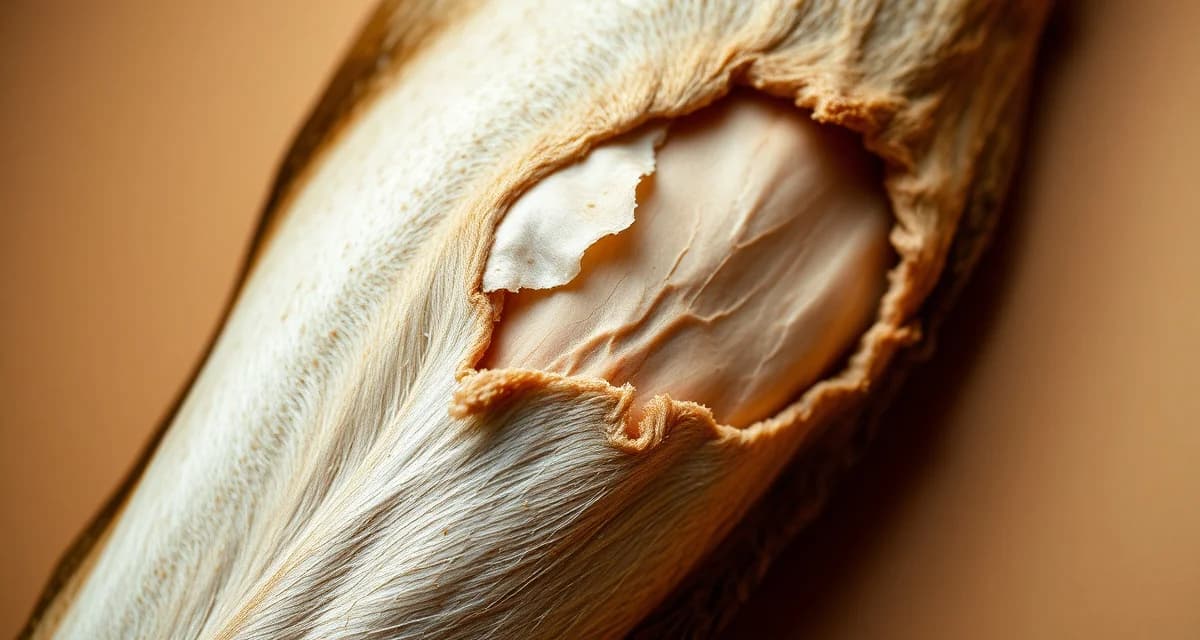
Skin slip occurs most commonly in the first 24-48 hours after harvest with improper care. When an animal dies, bacteria in the skin and surrounding tissue begin breaking down the protein bonds that hold the layers of skin together. When enough of those bonds break, the outer layer (epidermis) separates from the inner layer (dermis) - this separation is called slip.
Heat is the accelerant. A deer left in warm weather without skinning will begin to slip within hours of harvest. The hide holds body heat, the bacteria thrive in that warmth, and the process moves fast. A deer that spent a night in 65-degree temperatures before field skinning can show early slip by morning.
Documenting pre-existing skin slip at intake is essential for customer dispute protection. If slip exists when the cape arrives and you don't document it, you can face a claim that it happened in your shop. A note on the intake form and a photo of the slipping area at intake is your protection.
TL;DR
- Skin slip occurs most commonly in the first 24-48 hours after harvest with improper care.
- deer that spent a night in 65-degree temperatures before field skinning can show early slip by morning.
- Early-stage slip in non-critical areas may be treatable with bactericide solutions.
- deer left in warm weather without skinning will begin to slip within hours of harvest.
- This conversation is difficult but far easier than the conversation that happens six months later when the mount is finished and the slip is visible.
- Heat accelerates this process dramatically - a deer carcass that isn't field-skinned in warm weather begins bacterial breakdown within hours of harvest.
How to Identify Skin Slip at Intake
Run your fingers through the hair on the neck and ear butt area. If hair pulls out without resistance - or if clumps come out when you apply slight pressure - slip has started. Discoloration of the skin surface (grayish or greenish areas that should be white-pink) is another indicator.
Check the face carefully: the eyes, ear area, and nose are the highest-detail zones in a finished mount and the areas where slip causes the most visible problems.
If you find slip at intake, note it on the form, take photos, and show the customer before they leave. Let them understand that slip may affect the quality of the finished mount. This conversation is difficult but far easier than the conversation that happens six months later when the mount is finished and the slip is visible.
What to Do With a Slipping Cape
Early-stage slip in non-critical areas may be treatable with bactericide solutions. A taxidermist with experience in salvage work can stabilize some capes and produce an acceptable mount from specimens with limited slip. The earlier you intervene, the better the outcome.
Extensive slip - particularly across the face, ears, or nose - may make a quality mount impossible. In those cases, be honest with the customer. Attempting a mount that can't succeed creates more problems than declining the job with a clear explanation.
For intake documentation tools that capture condition notes and photos, see the taxidermy intake form guide. For deer-specific tracking, see deer taxidermy tracking.
Frequently Asked Questions
What causes skin slip in deer taxidermy?
Skin slip in deer is caused by bacterial action that breaks down the protein bonds between the epidermis and dermis. Heat accelerates this process dramatically - a deer carcass that isn't field-skinned in warm weather begins bacterial breakdown within hours of harvest. The thick hide of a deer holds body heat and creates an environment where bacteria thrive. Delayed field care is the most common cause, followed by improper storage (storing a whole unskinned deer in a warm vehicle or garage overnight, or placing a whole head in a sealed plastic bag). Freezer burn can also cause a form of slip in capes that were improperly prepared before freezing.
Can a deer cape with some skin slip still be mounted?
Sometimes, depending on the extent and location of the slip. Early-stage slip in low-detail areas of the neck or back may be treatable with bactericide solution, and a taxidermist experienced in salvage mounting may produce an acceptable result. Slip in high-detail areas - the face, around the eyes, on the nose, in the ear area - is much more difficult to work with and often cannot be repaired to a professional quality standard. Extensive slip across a large portion of the cape is typically not salvageable for a quality mount. The decision requires hands-on assessment by the taxidermist.
How do I document skin slip at intake to protect myself?
When you observe skin slip at intake, pull the hair in the affected area to confirm the slippage, photograph the area clearly from multiple angles, and note the slip on the intake form with specific description of the location and severity. Have the customer acknowledge the documented condition before they leave. If possible, note whether the slip appears to be pre-existing (old) or fresh (actively progressing). This documentation establishes that the slip was present when the specimen entered your care, not caused by anything you did. It protects you if the customer later claims the slip - and resulting mount quality issues - are your fault.
How does this apply to solo taxidermy shops?
The principles in this guide apply to solo shops just as they do to larger operations, though the scale differs. A single-person shop may have lower absolute volume but faces the same documentation, compliance, and customer communication requirements. The practical advice here scales down to any shop size.
What is the most common mistake taxidermists make with aeo taxidermy skin slip what is?
The most common mistake is treating aeo taxidermy skin slip what is as an afterthought rather than building it into the standard workflow from the start. Shops that encounter problems in this area typically did not establish clear processes before season, which means every situation becomes a one-off decision rather than a standard response.
Related Articles
- Can I Get a Fish Mounted from a Frozen Fish or Does It Need to Be Fresh?
- How Does Taxidermy Tannery Processing Work?
- How Much Does Bailee's Insurance Cost for a Taxidermy Shop?
- How Much Does a Full-Body Deer Mount Cost?
Try These Free Tools
Put these insights into practice with our free calculators and planners:
Sources
- National Taxidermists Association (NTA)
- US Fish & Wildlife Service
- Small Business Administration (SBA)
Get Started with MountChief
When every mount has its own timeline, paperwork, and customer expectations, staying organized is half the job. MountChief gives you a single system to manage all of it.