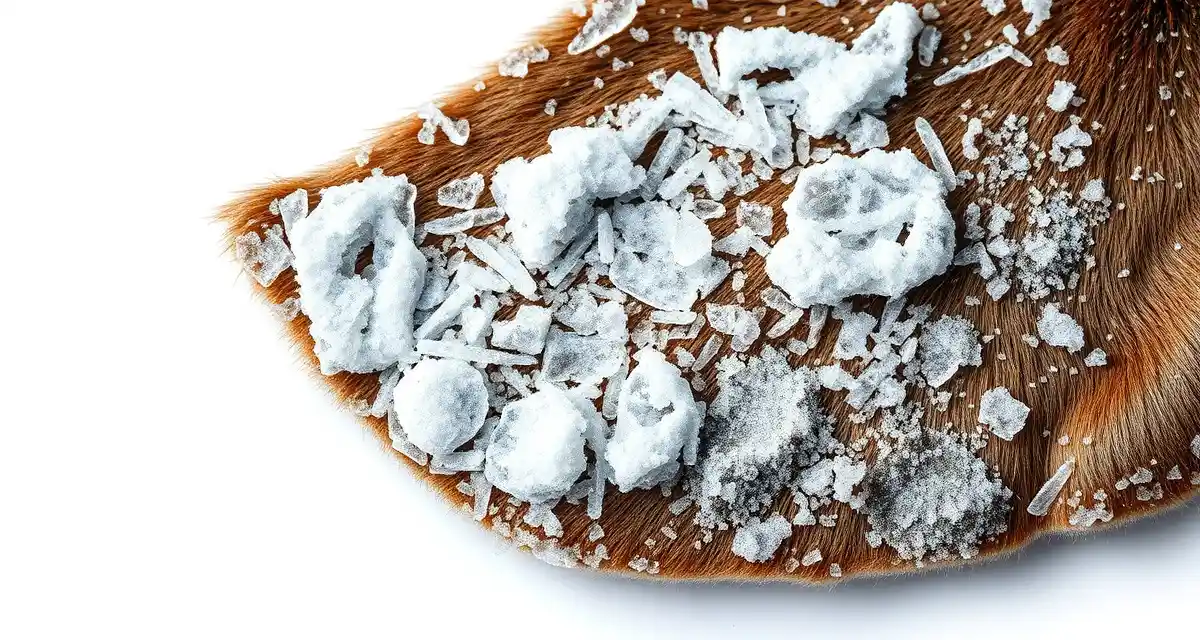
What Happens if My Deer Cape Has Freezer Burn?
Moderate freezer burn on a deer cape can often still be mounted successfully. Severe freezer burn that has penetrated deep into the hide causes hair slippage during the tanning process, which can make mounting impossible.
Freezer burn from improper bagging is responsible for 15% of cape damage claims in taxidermy shops. Double-vacuum-sealing a deer cape can extend freezer life from 6 months to over 2 years.
TL;DR
- Freezer burn on a cape appears as dry, whitish patches on the hide and can affect hair quality in severe cases.
- Mild surface freezer burn often does not affect the finished mount quality after tanning.
- Deep or extensive freezer burn can cause hair loss or poor tanning results and should be documented at intake.
- Prevention is straightforward: wrap capes tightly with no air gaps before freezing.
- Frost-free freezers accelerate freezer burn by cycling freeze-thaw repeatedly.
What Freezer Burn Does to a Deer Cape
Freezer burn is dehydration damage that occurs when moisture escapes the hide during frozen storage. The surface of the cape dries out and becomes tough, discolored, and brittle. On a deer cape, you'll see this as grayish-white patches, usually around the ears, face, and any areas where the bag wasn't sealed tightly.
Mild freezer burn, small surface patches that haven't penetrated deep into the hide, often gets tanned without major problems. The tannery process rehydrates and conditions the hide, which can minimize surface damage.
Severe freezer burn creates what taxidermists call "burnt" or "slipped" hide. The hair follicles are damaged to the point where they no longer hold the hair shaft. When the cape gets wet during tanning, the hair falls out in affected areas. Hair slippage in visible mounting areas like the face, neck, and back can render a cape unmountable for a shoulder mount.
How to Tell Before Taking It to the Taxidermist
Thaw a small section of the cape and check:
- Does the skin feel flexible and soft, or dry and brittle?
- Does hair pull out easily with light pressure in affected areas?
- Are there large discolored patches on the flesh side?
Significant hair pull in the face, neck, or back areas is a bad sign. The taxidermist can assess more accurately, but if hair is coming out in clumps when you gently tug on affected areas, be prepared for the possibility that the cape isn't mountable.
What to Do If You Think Your Cape Has Freezer Burn
Take it to your taxidermist and be upfront about what you're seeing. Don't try to hide the damage. The taxidermist will inspect the cape before intake and will likely spot it anyway. More importantly, an honest assessment at intake protects both of you from misunderstandings later.
A professional taxidermist will document the condition at intake with photos. If the cape goes to the tannery and the damage turns out to be worse than visible at intake, that documentation protects the shop from claims that the tannery caused the damage.
If the cape has isolated freezer burn in areas that won't be prominently visible in a mounted position (brisket, lower shoulder), it may still be mountable with careful form selection and finishing. Your taxidermist is the right person to make that call.
Use the deer taxidermy tracking system and save your intake photos so the condition is documented from day one. The specimen storage guide covers how to avoid this situation with future capes.
How to Prevent Freezer Burn on Future Capes
Double-bag and vacuum seal. A single zip-lock bag is not adequate protection against freezer burn for long-term storage. Double-vacuum-sealing in a chamber vacuum sealer or using a FoodSaver-style bag removes the air that causes oxidation and dehydration. A properly vacuum-sealed cape can stay in a standard freezer for 12-24+ months without significant freezer burn.
Get the cape cold quickly. A cape that sits at room temperature or in the back of a truck for hours before freezing has already started the degradation process. Get it into the freezer or on ice as quickly as possible after skinning.
Avoid temperature fluctuations. A chest freezer dedicated to taxidermy specimens that maintains a consistent temperature is better than a refrigerator-freezer with frequent door openings. Temperature cycling causes ice crystals to form and reform, which accelerates freeze damage.
Don't fold or compress unnecessarily. Pressure points in a tightly folded cape can create localized freezer burn at the fold lines. Roll the cape loosely rather than folding tightly.
Frequently Asked Questions
Can a freezer-burned deer cape still be mounted?
Mild to moderate freezer burn can often still be tanned and mounted successfully. Severe freezer burn that causes hair slippage in visible areas may prevent a quality shoulder mount. Your taxidermist will inspect the cape at intake and give you an honest assessment. Don't try to hide obvious damage; document it openly and have an honest conversation about what's possible.
How do I store a deer cape to prevent freezer burn?
Double-vacuum-seal the cape in a chamber vacuum sealer or FoodSaver bag to remove air, which is what causes freezer burn. Get the cape into the freezer as quickly as possible after skinning. Use a dedicated freezer that holds a consistent temperature without frequent door openings. A properly vacuum-sealed cape stored in a stable freezer can last 12-24 months without meaningful degradation.
What should I do if I discover my cape has freezer burn before taking it to the taxidermist?
Be honest with your taxidermist about what you're seeing. Bring the cape in for an in-person inspection. A professional taxidermist can assess the extent of the damage more accurately than you can at home, particularly around hair follicle integrity in affected areas. In some cases, freezer-burned capes can still produce quality mounts if the damage is limited to less visible areas. In other cases, you may need to discuss replacement cape options.
Can a cape with freezer burn still be mounted?
It depends on the severity. Mild surface freezer burn, white discoloration without hair damage, usually tans out acceptably and does not affect the finished mount noticeably. Extensive freezer burn that has damaged the hair follicles or the hide structure may cause problems in tanning and affect the finished mount. Document the condition with photos at intake and discuss the implications with the customer before accepting the job.
What is the difference between freezer burn and hair slippage?
Freezer burn is a moisture issue caused by improper packaging during freezing. Hair slippage is bacterial decomposition of the hide caused by heat exposure before or after death. Freezer-burned hides may be stiff and discolored but structurally intact. Slipped hides have hair that pulls out easily at the follicle. Both should be documented at intake but they have different causes and different implications for the mount.
Should I tell a customer their cape has freezer burn before starting work?
Yes, always. Document it with photos and note it on the intake form. Tell the customer what you found and what it may mean for the finished mount. Get written acknowledgment before proceeding. This conversation is uncomfortable but far less uncomfortable than a dispute after the mount is finished.
Related Articles
- Tips for the First Day of Deer Season at Your Taxidermy Shop
- What Records Must Colorado Taxidermists Keep for Deer and Elk?
Try These Free Tools
Put these insights into practice with our free calculators and planners:
Sources
- National Taxidermists Association (NTA)
- Breakthrough Magazine
- Taxidermy Today
Get Started with MountChief
Documenting cape condition at intake is your best protection when problems appear later. MountChief's intake system captures condition notes and photos so every cape issue is recorded before work begins. Try MountChief to make thorough intake documentation your standard practice.