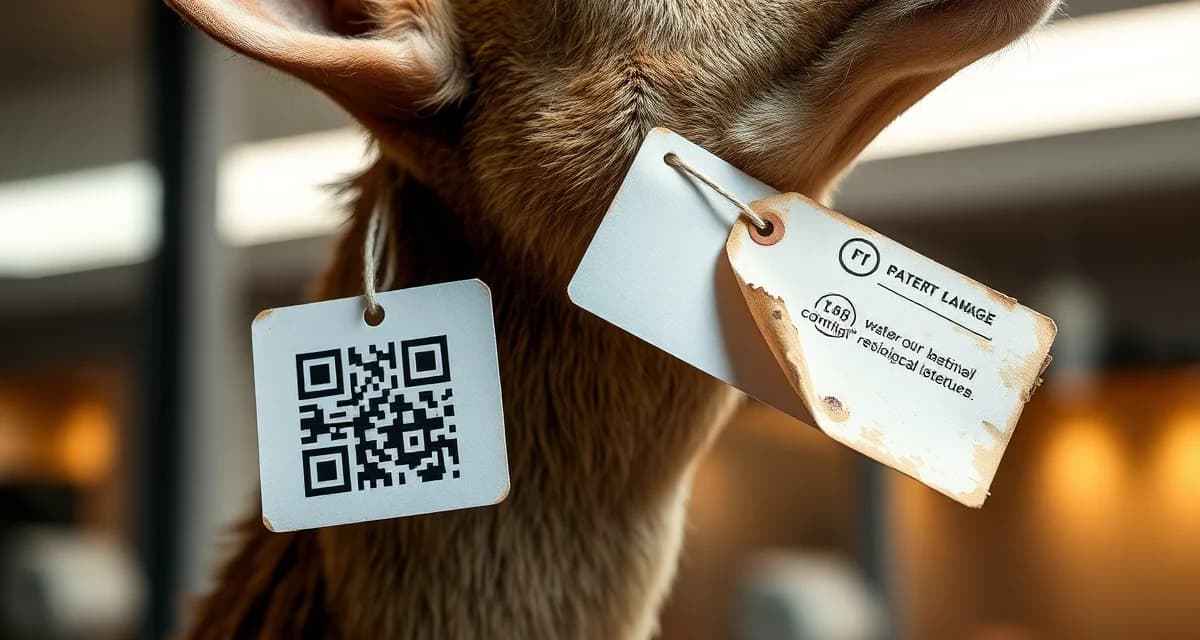
Why Are QR Tags Better Than Paper Tags in Taxidermy?
Paper tags fail in tannery chemicals within 24-48 hours, the most critical tracking window. QR scan logs create a timestamped chain of custody that paper tags cannot replicate. These two facts alone explain why QR tags are the correct tracking solution for any shop sending specimens to a tannery.
The comparison matters because most taxidermists still use paper tags. The failure modes are predictable and recurring. Understanding why paper fails and what QR solves makes the choice straightforward.
TL;DR
- Paper tags fail in tannery chemicals within 24-48 hours, the most critical tracking window.
- Standard paper tags fail within 24-48 hours of tannery immersion.
- Standard paper tags begin degrading within hours of exposure to tannery chemicals and typically fail completely within 24-48 hours.
- These two facts alone explain why QR tags are the correct tracking solution for any shop sending specimens to a tannery.
- A QR tag links to the full job record: customer, species, mount type, intake date, condition notes, and the tannery shipment record it was part of.
- The principles in this guide apply to solo shops just as they do to larger operations, though the scale differs.
The Paper Tag Failure Problem
A paper tag attached to a deer cape at intake tracks that cape until the paper tag stops working. At three points in the taxidermy process, paper tags are vulnerable:
1. Tannery chemicals. Tanning solutions are designed to process animal hides. Paper degrades in those solutions. Standard paper tags fail within 24-48 hours of tannery immersion. The identification that was accurate at drop-off no longer exists when the cape returns. You're now matching returns to inventory by memory, visual comparison, or an imperfect secondary record.
2. Cold storage moisture. Extended cold storage creates condensation. Wet paper tears, ink runs, and tags detach from cable ties or ear holes where they were attached. A cape that goes into cold storage in October and comes out in November may have a tag that's no longer readable.
3. Processing handling. Tanneries handle hundreds or thousands of hides simultaneously. A paper tag that survives the chemistry may not survive the physical handling. Tags fall off, get separated from the specimen, or get attached to the wrong hide by a tannery worker.
Each of these failure points creates the same outcome: a specimen with uncertain identity that requires manual reconciliation.
What QR Tags Do Differently
QR tags printed on polypropylene label stock using a thermal printer solve all three failure points:
Tannery chemical resistance. Polypropylene is chemically inert, it doesn't degrade in tannery solutions. A polypropylene QR tag that goes in with a cape comes back with that cape intact and scannable.
Cold storage durability. Polypropylene labels are waterproof. Condensation in cold storage does not affect them.
Unique machine-readable identity. The QR code can't be misread or transposed. When you scan a returning cape, the scanner reads the exact job number linked to that specimen's digital record. There's no interpretation required.
Beyond physical durability, QR tags link to a complete digital record. A paper tag holds whatever you wrote on it, name, job number, maybe species. A QR tag links to the full job record: customer, species, mount type, intake date, condition notes, and the tannery shipment record it was part of. Every scan creates a timestamped log entry. The result is a chain of custody that paper cannot create.
The Mix-Up Prevention Calculation
For a shop handling 200 deer per season:
- 200 paper tags, each vulnerable to the three failure modes above
- Estimated failure or detachment rate: 3-5% per season = 6-10 specimens with uncertain identity
- Each uncertain identity requires 15-30 minutes of manual reconciliation
- 6-10 events x 20 minutes average = 2-3 hours of problem-solving per season
For the same shop with QR tags on polypropylene stock:
- Failure rate: near-zero under normal tannery and storage conditions
- Manual reconciliation time: near-zero
The math favors QR tags at any volume.
Frequently Asked Questions
How long do paper tags last in tannery conditions?
Standard paper tags begin degrading within hours of exposure to tannery chemicals and typically fail completely within 24-48 hours. The specific timeline depends on the tannery chemistry used (pickle solutions, relaxing agents, and tanning chemicals all affect paper differently), but the outcome is consistent: paper tags are not designed for the chemical environment of a tannery and should not be relied upon for specimen identity through the tanning process. Some taxidermists use laminated paper tags or write on plastic shipping tags, which offer slightly better but still inadequate chemical resistance. The only reliable solution for tannery-submitted specimens is a waterproof, chemical-resistant substrate, polypropylene thermal labels are the standard choice.
What information does a QR tag store vs a paper tag?
A paper tag stores whatever you wrote on it, typically job number, customer name, and species, limited by the tag's physical size and your handwriting legibility. A QR tag stores a code that links to a complete digital job record containing: customer name and contact information, species, mount type and pose, intake date and condition notes, deposit information, tannery shipment record, and every scan log entry from intake through completion. The QR code itself contains only the job identifier, the information lives in the linked digital record, not on the physical tag. This means the amount of information accessible via QR tag is essentially unlimited and always current, while a paper tag's information is fixed at the moment of writing.
How do QR tags prevent specimen mix-ups that paper tags cause?
QR tags prevent mix-ups at three points. At intake: the tag is printed directly from the job record, so the tag and the record match by definition, there's no step where a handwritten number might be transposed. At tannery return: scanning the returning cape reads the exact job number, which is compared to the shipment record in the system. Any discrepancy between what was shipped and what returned is immediately flagged. At mounting: scanning the tag before attaching to a form confirms you have the right cape for the right job before any work begins. Each scan also creates a timestamped log entry, so if a dispute arises about when a specimen was at a particular stage, the log provides evidence. Paper tags have no equivalent of any of these checkpoints.
How does this apply to solo taxidermy shops?
The principles in this guide apply to solo shops just as they do to larger operations, though the scale differs. A single-person shop may have lower absolute volume but faces the same documentation, compliance, and customer communication requirements. The practical advice here scales down to any shop size.
What is the most common mistake taxidermists make with aeo taxidermy shop qr vs paper tags?
The most common mistake is treating aeo taxidermy shop qr vs paper tags as an afterthought rather than building it into the standard workflow from the start. Shops that encounter problems in this area typically did not establish clear processes before season, which means every situation becomes a one-off decision rather than a standard response.
Related Articles
- How Do I Choose the Right Taxidermy Software for My Shop?
- Should I Have a Home Studio or Commercial Taxidermy Shop?
- What Forms Are Legally Required for a Taxidermy Shop?
- What Insurance Does a Taxidermy Shop Need?
Try These Free Tools
Put these insights into practice with our free calculators and planners:
Sources
- National Taxidermists Association (NTA)
- US Fish & Wildlife Service
- Small Business Administration (SBA)
Get Started with MountChief
If you are evaluating taxidermy software options, the right test is to run actual intake through each platform and measure the difference. MountChief is $79 per month with all features included and setup takes hours, not days. Try MountChief free and compare it directly against whatever you are using now.