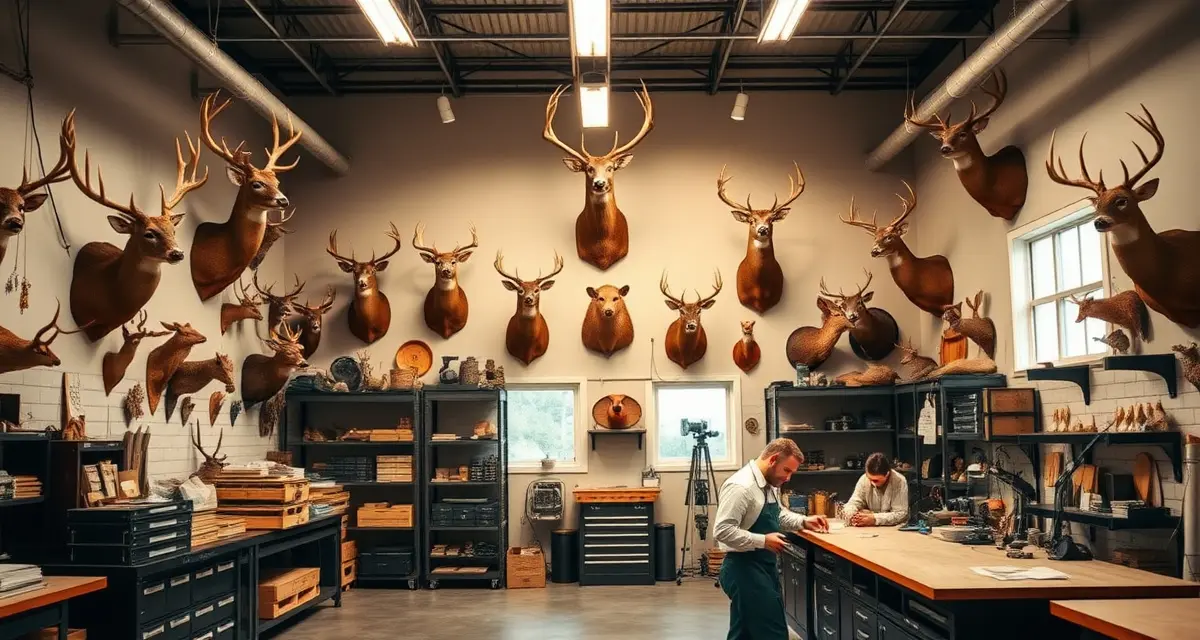
5 Ways Texas Taxidermy Shops Are Managing Deer and Exotic Season
Texas is the only state where exotic ranch mounts consistently exceed wild deer mount volume for some shops. CITES documentation for exotic species has made digital compliance essential for TX shops. The combination of the nation's largest deer harvest and a thriving exotic game ranch industry creates a management complexity that no other state's taxidermists face.
Here's how Texas taxidermists are using software to handle both.
TL;DR
- Production scheduling software that tracks the full queue by species, intake date, and current stage is more valuable for Texas operations than for shops with a single 6-week intake window.
- Texas has the highest whitetail deer harvest in the nation - over 700,000 deer per year.
- Texas is the only state where exotic ranch mounts consistently exceed wild deer mount volume for some shops.
- Many of these species are CITES-listed, which means taxidermists accepting exotic ranch specimens need to verify and document CITES permits at intake.
- Compliance documentation that used to require manual tracking in a separate system is now part of the standard intake process.
- Texas taxidermists using AI intake handle that volume without the per-intake time that paper forms require.
1. CITES Documentation Built Into Exotic Intake
Texas exotic ranches run axis deer, blackbuck, aoudad, nilgai, and dozens of other non-native species. Many of these species are CITES-listed, which means taxidermists accepting exotic ranch specimens need to verify and document CITES permits at intake.
Texas taxidermists using MountChief's CITES tracking system build CITES documentation into their intake workflow for exotic species. The intake form flags species requiring CITES verification, prompts for permit numbers, and stores documentation attached to the job record. Compliance documentation that used to require manual tracking in a separate system is now part of the standard intake process.
2. Deer Season Intake at Texas Scale
Texas has the highest whitetail deer harvest in the nation - over 700,000 deer per year. For taxidermists in high-volume areas like the Hill Country, South Texas, and the Panhandle, deer season intake volume is comparable to the heaviest Midwest firearms seasons.
Texas taxidermists using AI intake handle that volume without the per-intake time that paper forms require. Digital intake at 5-7 minutes per deer allows Texas shops to process their full season volume without intake bottlenecks, and QR tags keep specimens organized through a production season that can run from November through May.
3. Ranch Client Portals for Return Hunters
Texas ranch hunters who take multiple exotic species in a single visit - perhaps an axis deer, a blackbuck, and a fallow deer in one hunt - have multiple mounts with a single customer record. Managing that customer's communication, deposit, and production status for three simultaneous jobs is manageable with a digital system.
The customer portal shows all active jobs for a returning ranch client in one place. A hunter who visited a ranch in December and dropped off three specimens can check the status of all three with one login rather than making three separate calls.
4. Seasonally Extended Production Planning
Unlike most whitetail states, Texas deer season runs from October through January, and exotic season is essentially year-round. Texas taxidermists don't have a single compressed intake window - they have an extended intake season that requires production planning across more months.
Production scheduling software that tracks the full queue by species, intake date, and current stage is more valuable for Texas operations than for shops with a single 6-week intake window. MountChief's job tracking provides a view of all active jobs across species at any point, making multi-month production planning manageable.
5. Exotics-Specific Compliance Record-Keeping
Texas Parks and Wildlife (TPWD) has specific record-keeping requirements for exotic wildlife. In addition to CITES documentation for listed species, taxidermists need to maintain intake records for all wildlife in their possession.
Digital records that are searchable by species - including exotic species with non-standard common names - make compliance documentation for TPWD inspections significantly faster than paper systems. A digital search for all specimens of a specific exotic species is immediate; a paper search through years of intake forms for axis deer or nilgai records is tedious and error-prone.
For the complete Texas management guide, see the Texas taxidermy shop management guide and the CITES tracking guide.
Frequently Asked Questions
How are Texas taxidermy shops managing exotic species documentation?
Texas taxidermists with significant exotic ranch client bases use digital intake systems that include CITES-specific fields for species verification. At intake for any CITES-listed exotic, the system prompts for permit numbers and documentation, which is stored attached to the job record. This makes TPWD and USFWS compliance documentation organized and retrievable rather than scattered across paper intake books. Shops with high exotic volume have found that digital intake also reduces errors in species identification and recording - exotic species names are less standardized than common North American game species, and autocomplete in digital systems reduces transcription errors.
What software do Texas taxidermists use for CITES compliance?
Texas taxidermists managing both wild deer and exotic ranch species use MountChief, which includes CITES species flagging, permit number fields, and documentation storage as part of the intake system. The platform allows exotic species to be set up in the intake form with the appropriate compliance prompts so CITES documentation is captured consistently rather than relying on the taxidermist remembering to ask for it. Records are searchable by species, permit number, and date, which makes responding to TPWD or USFWS compliance inquiries efficient.
How have Texas shops improved their deer season workflow with software?
Texas taxidermists who've implemented digital management report the same benefits as shops in other high-volume states: faster intake, fewer status calls through customer portals, and better tannery tracking. The specific Texas advantage is in the extended season management - Texas's longer deer season and year-round exotic intake means more concurrent active jobs at any time than most other states' shops manage. Production scheduling visibility across a larger active queue is where Texas shops see the most distinctive operational improvement from digital management.
How does this apply to solo taxidermy shops?
The principles in this guide apply to solo shops just as they do to larger operations, though the scale differs. A single-person shop may have lower absolute volume but faces the same documentation, compliance, and customer communication requirements. The practical advice here scales down to any shop size.
What is the most common mistake taxidermists make with taxidermy shop management texas listicle?
The most common mistake is treating taxidermy shop management texas listicle as an afterthought rather than building it into the standard workflow from the start. Shops that encounter problems in this area typically did not establish clear processes before season, which means every situation becomes a one-off decision rather than a standard response.
Related Articles
- 7 Deer Season Mistakes Taxidermy Shops Make Every Year
- Deer Season Preparation for Texas Taxidermy Shops
- Taxidermy SEO Strategy: How Shops Get Found Online Before Deer Season
- Best Taxidermy Shops in the Southeast Using Modern Software
Try These Free Tools
Put these insights into practice with our free calculators and planners:
Sources
- National Taxidermists Association (NTA)
- US Fish & Wildlife Service
- Small Business Administration (SBA)
Get Started with MountChief
Compliance mistakes and missed customer updates cost taxidermy shops real money. MountChief centralizes specimen tracking, documentation, and communication so those gaps close.