Taxidermy Software for Pacific Northwest Shops: WA OR
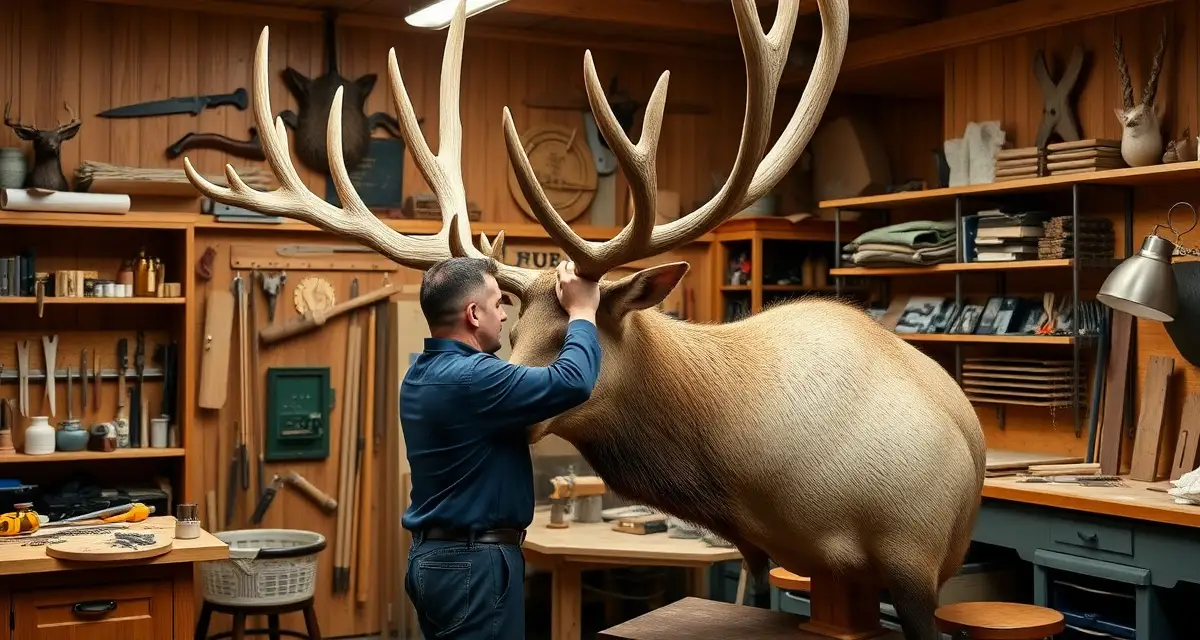
Roosevelt elk are the largest elk subspecies in North America. They're heavier than Rocky Mountain elk, their capes are larger, and they require different tannery protocols than anything most software was designed for. If you run a taxidermy shop in Washington or Oregon, you already know this. Because you've probably had a tannery that didn't quite know what to do with a 900-pound Roosevelt bull's cape.
Pacific Northwest taxidermy is distinct from every other region. The species are different. The coastal environment creates field care challenges that affect cape condition. And Pacific Northwest shops handle more coastal waterfowl species than any other region in the country. From widgeon and pintail to surf scoters and harlequin ducks that USFWS migratory bird regulations cover completely.
Taxidermy software for the Pacific Northwest region needs to account for this diversity. A system built for Midwest whitetail shops misses too much of what you actually deal with.
TL;DR
- Expected tannery turnaround for a Roosevelt elk can run 14-18 weeks with some tanneries.
- standard deer tannery return of 8-10 weeks becomes 14-18 weeks for a Roosevelt bull.
- If your intake list regularly includes Roosevelt elk, blacktail deer, coastal waterfowl, and salmon in the same week, you need a system that handles all of them with species-specific documentation.
- They're heavier than Rocky Mountain elk, their capes are larger, and they require different tannery protocols than anything most software was designed for.
- Because you've probably had a tannery that didn't quite know what to do with a 900-pound Roosevelt bull's cape.
- When you ship a Roosevelt bull cape to a tannery, you need to document its size, weight, and any field condition issues.
The Pacific Northwest Problem: Species Diversity and Environmental Factors
Roosevelt Elk Require Different Everything
Rocky Mountain elk capes from Colorado or Wyoming are common enough that most tanneries have established protocols. Roosevelt elk from the Olympic Peninsula or Oregon Coast Range are a different animal. Literally. The sheer mass of the hide requires longer processing times and different tannery handling.
When you ship a Roosevelt bull cape to a tannery, you need to document its size, weight, and any field condition issues. Expected tannery turnaround for a Roosevelt elk can run 14-18 weeks with some tanneries. If your tracking system doesn't account for that variance, you're setting wrong customer expectations from the start.
Blacktail Deer Are Their Own Category
Columbian blacktail and Sitka blacktail deer are not the same as whitetail or mule deer. Their facial structure, antler configuration, and body proportions require different forms. Many taxidermists outside the Pacific Northwest aren't familiar with them. Your intake documentation needs to capture species-level specificity. "blacktail" on a generic form isn't enough to ensure the right mannikin gets ordered.
Coastal Waterfowl Is Complex
No other region sees the variety of coastal waterfowl species that Washington and Oregon shops handle. Harlequin ducks, surf scoters, long-tailed ducks, and various sea duck species mix with the standard mallards, teal, and Canada geese. Every single one requires USFWS Federal Taxidermist Permit documentation at intake. Missing that documentation for a migratory bird is a federal issue, not a state one.
WDFW and ODFW Have Their Own Requirements
Washington Department of Fish and Wildlife and Oregon Department of Fish and Wildlife each license taxidermists and maintain record-keeping requirements. These are active agencies. WDFW in particular conducts compliance inspections. Accurate records for all species are required, and Washington's salmon and other fish species create a category beyond what most states deal with.
What Pacific Northwest Taxidermy Shop Management Requires
Species-Specific Intake for PNW Animals
Your intake system should differentiate Roosevelt elk from Rocky Mountain elk, Columbian blacktail from Sitka blacktail, and coastal waterfowl species from inland birds. These distinctions affect tannery routing, mannikin selection, and customer timeline estimates. AI photo intake that can recognize species from photos dramatically speeds this process.
Federal Migratory Bird Documentation
Every migratory bird that comes through your door (every duck, every goose, every turkey, every dove) requires documentation of the customer's valid hunting license and Federal Duck Stamp (if applicable) plus your USFWS Federal Taxidermist Permit records. Integrating this into your intake workflow means it never gets skipped during a busy fall.
MountChief's taxidermy shop management software captures migratory bird documentation fields at intake for every bird species.
Tannery Tracking With Extended Timelines
Roosevelt elk and bear capes going to tanneries need extended tracking windows. A standard deer tannery return of 8-10 weeks becomes 14-18 weeks for a Roosevelt bull. If your tannery tracking system only logs a single "expected return" date without species-specific context, you're consistently undersetting customer expectations.
Out-of-State Hunter Communication
Washington and Oregon both attract out-of-state hunters, particularly for elk. Washington's elk license draws bring hunters from California, Arizona, and the Midwest. Oregon's controlled hunt system similarly generates out-of-state intake. Those customers need portal access and proactive updates, the same as any other state with out-of-state pressure.
State-by-State Overview: Pacific Northwest Requirements
Washington
WDFW licenses taxidermists and conducts compliance inspections. Washington has a diverse species list including blacktail deer, Roosevelt elk, mule deer, black bear, cougar, moose (limited), bighorn sheep, mountain goat, and an extensive waterfowl list. Fish species (particularly salmon and halibut) add a category most shop management software doesn't handle well. WDFW record-keeping requirements apply to all wildlife.
Oregon
ODFW manages taxidermist licensing and Oregon's diverse geography creates intake variety, coastal operations deal with Roosevelt elk, blacktail deer, and sea ducks while eastern Oregon shops handle Rocky Mountain elk, mule deer, and pronghorn. Some shops near the Cascades handle both. ODFW has specific record-keeping requirements and license renewal requirements.
Roosevelt Elk vs. Rocky Mountain Elk: Documentation Differences
Pacific Northwest shops that also handle Rocky Mountain elk from Idaho or eastern Oregon need to track subspecies differences in their records. This matters for tannery selection and timeline estimates.
| Factor | Roosevelt Elk | Rocky Mountain Elk |
|---|---|---|
| Average cape weight | 35-50 lbs | 25-35 lbs |
| Typical tannery timeline | 14-18 weeks | 10-14 weeks |
| Mannikin considerations | Larger neck circumference | Standard proportions |
| Field care challenges | Coastal humidity, rapid decay | Drier conditions typical |
| Documentation notes | Note subspecies at intake | Standard elk documentation |
Coastal Waterfowl: The Species List You're Actually Dealing With
Pacific Northwest shops deal with species that waterfowl hunters in other regions never see. Your intake system needs to handle all of them:
- Harlequin duck
- Surf scoter, White-winged scoter, Black scoter
- Long-tailed duck (Oldsquaw)
- Common eider, King eider
- Barrow's Goldeneye
- Common merganser, Red-breasted merganser, Hooded merganser
- Greater scaup, Lesser scaup
- All Pacific Flyway species (mallard, pintail, widgeon, teal varieties)
Every one requires USFWS permit documentation. Software that makes this documentation automatic at intake means it never gets missed.
Who Benefits Most in the Pacific Northwest
Shops handling both coastal and interior species. If your intake list regularly includes Roosevelt elk, blacktail deer, coastal waterfowl, and salmon in the same week, you need a system that handles all of them with species-specific documentation. Generic systems that treat all deer the same and all waterfowl the same create record gaps.
High-waterfowl-volume shops. Oregon and Washington have active, high-volume waterfowl hunting communities. Shops in the Willamette Valley, Puget Sound lowlands, or eastern WA/OR agricultural areas see significant waterfowl intake. Federal migratory bird permit documentation needs to be automatic, not optional.
Washington elk shops with out-of-state clients. WDFW elk draws attract out-of-state hunters who need portal access for communication. A shop that handles 40 elk per season with half being out-of-state clients needs the portal solution working before season opens.
Related Articles
- Taxidermy Shop Management Software for California Shops
- Taxidermy Shop Management Software for Colorado Shops
FAQ
What are the unique species challenges for Pacific Northwest taxidermists?
The combination of coastal and interior species creates a diversity challenge few other regions face. Roosevelt elk require different tannery handling than Rocky Mountain elk. Blacktail deer need species-specific mannikins and proportions. Coastal waterfowl species diversity is unmatched anywhere in the country. And salmon taxidermy adds a fish-specific documentation and mounting category on top of everything else. Purpose-built software that handles all of these species with appropriate documentation fields is the only practical solution.
How do PNW shops handle Roosevelt elk vs Rocky Mountain elk documentation?
The key is capturing subspecies at intake. Not just "elk." That distinction drives tannery selection, timeline estimates, and mannikin ordering. Roosevelt elk capes take longer to tan, require larger tannery bath volumes, and may need to go to different tanneries than Rocky Mountain elk. Documenting subspecies at intake also helps when a customer asks why their Roosevelt bull is taking longer than their friend's Rocky Mountain elk from Colorado.
Which PNW states have the most complex migratory bird regulations?
Both Washington and Oregon fall under federal migratory bird protections equally. USFWS jurisdiction doesn't change by state. What varies is WDFW and ODFW's own requirements on top of federal rules. Washington's coastal geography brings more sea duck species into play, which means more species-level documentation complexity. The practical answer is: every migratory bird requires the same federal documentation regardless of which PNW state it came from, so build federal documentation into your intake workflow for every bird.
How does this apply to solo taxidermy shops?
The principles in this guide apply to solo shops just as they do to larger operations, though the scale differs. A single-person shop may have lower absolute volume but faces the same documentation, compliance, and customer communication requirements. The practical advice here scales down to any shop size.
What is the most common mistake taxidermists make with taxidermy shop pacific northwest software?
The most common mistake is treating taxidermy shop pacific northwest software as an afterthought rather than building it into the standard workflow from the start. Shops that encounter problems in this area typically did not establish clear processes before season, which means every situation becomes a one-off decision rather than a standard response.
Try These Free Tools
Put these insights into practice with our free calculators and planners:
Sources
- National Taxidermists Association (NTA)
- US Fish & Wildlife Service
- Taxidermy Today
- Small Business Administration (SBA)
Built for What the Pacific Northwest Actually Requires
Roosevelt elk, blacktail deer, coastal waterfowl, and strict WDFW/ODFW compliance aren't afterthoughts, they're the core of your business. MountChief's taxidermy shop management software handles the species diversity, tannery timelines, migratory bird documentation, and customer portals that Pacific Northwest shops actually need.
Start your free trial today.
Get Started with MountChief
The right shop management software is the foundation of a well-run taxidermy operation. MountChief combines AI intake, tannery tracking, customer portal communication, and compliance documentation in one platform built specifically for taxidermists. Try MountChief free and see the operational difference in your first week.