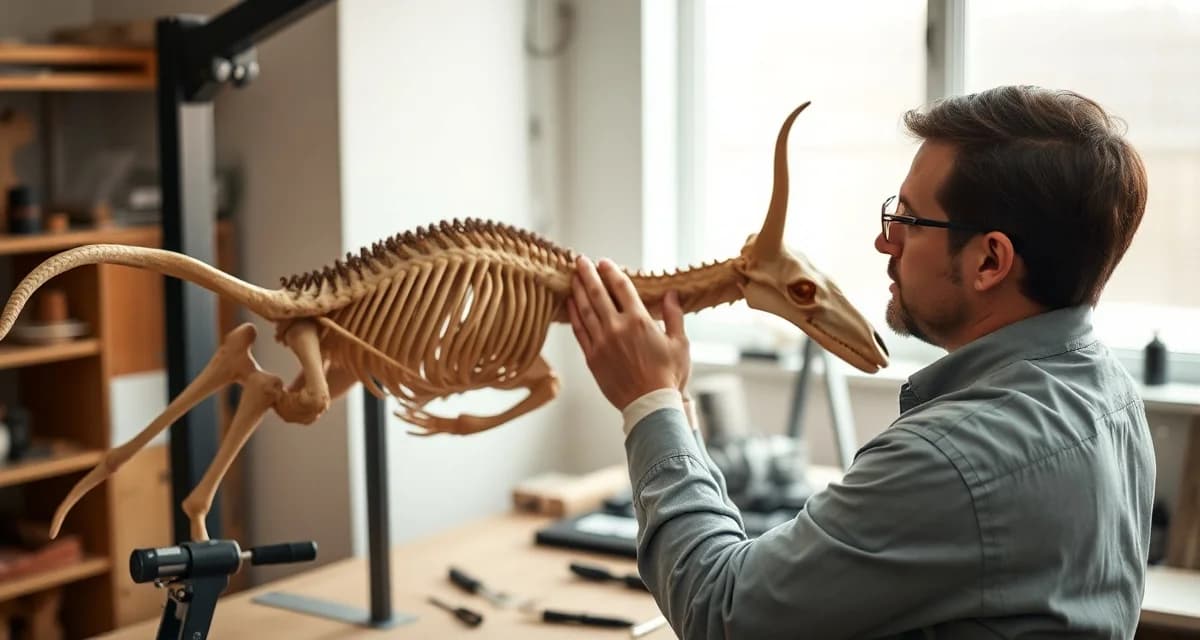
What Happens If the Taxidermist Mounts the Wrong Species Form?
Using the wrong species form results in a mount that looks proportionally wrong, the nose may be too long, the skull shape off, the muzzle width incorrect. A quality taxidermist detects a form mismatch at the fitting stage, before finishing. If it gets missed entirely, the finished mount is a rework.
This is more common than most customers realize, and it almost always comes from the same source: incomplete intake spec documentation that leaves form selection to chance.
TL;DR
- taxidermist doing 150 deer in a season is selecting forms from weeks-old intake records.
- This is more common than most customers realize, and it almost always comes from the same source: incomplete intake spec documentation that leaves form selection to chance.
- mount must be fully disassembled, the wrong form removed, the correct form obtained, and the mount rebuilt.
- What Happens If the Taxidermist Mounts the Wrong Species Form?
- Using the wrong species form results in a mount that looks proportionally wrong, the nose may be too long, the skull shape off, the muzzle width incorrect.
- quality taxidermist detects a form mismatch at the fitting stage, before finishing.
Why Wrong-Form Errors Happen
Species-specific form selection errors are more common in shops without digital spec sheets. When mount specifications (species, form brand, form size, pose) aren't captured and documented at intake, form selection happens from memory or from a handwritten note that may not have all the details.
A taxidermist doing 150 deer in a season is selecting forms from weeks-old intake records. If those records don't clearly specify the exact form or at minimum the exact pose and size specifications, errors happen.
Common scenarios:
- A mule deer cape gets a whitetail form because the intake spec didn't note the species difference
- A large-bodied buck with an unusual shoulder girth gets a standard form that doesn't fit
- A specific pose was requested but not captured, the taxidermist goes with their default
Digital intake with form selection recorded as a required field reduces species form error rates to near zero because the specification is in the record and gets reviewed before form ordering begins.
How a Good Taxidermist Catches It
A quality taxidermist fits the cape to the form before any production work begins. This fitting stage (where the cape is placed over the form to check size and species proportions) is where a mismatch should be obvious.
Signs at fitting that the form is wrong:
- The cape is too short from nose to shoulder
- The neck circumference doesn't match the form
- The facial proportions look off (muzzle too long, skull shape wrong)
- The eye socket position doesn't match where the glass eye should sit
If the taxidermist catches this at fitting, the wrong form is set aside, the correct form is ordered, and production waits for the right form. The customer may be notified if there's a timeline delay from re-ordering.
This is the best-case scenario for a form error. Caught early, before any work is invested.
What Happens If It Gets Past Fitting
If a wrong form gets past the fitting stage and into production, you have a finished mount that looks proportionally wrong. This is the scenario that leads to the rework conversation.
When a customer picks up a finished mount and says "something looks off" (and they're right) the taxidermist has limited options:
Rework: The mount is disassembled, the correct form is ordered, and the job is redone. This is expensive in time and materials and typically falls on the taxidermist.
Adjustment: Some form proportion issues can be addressed with filler and modification without a complete rebuild. The result is rarely as clean as using the right form from the start.
Replace: In rare cases where the cape was damaged during the wrong-form attempt, the customer may be owed a replacement or financial compensation.
None of these outcomes are good for anyone. The cost (to the taxidermist's time, to the customer's experience, and to the business relationship) makes prevention worth investing in.
Protecting Yourself as a Customer
If you want to make sure your mount gets the right form:
At intake: Ask what form your taxidermist plans to use for your mount. A specific answer ("I typically use a McKenzie form for this size whitetail, and I'll confirm the pose when I measure your cape") is a good sign. "Something standard" is not.
At form fitting: Some taxidermists invite customers to see the fitting stage or at least discuss form selection. For high-value or unusual trophies, this is worth asking about.
Document the specifications: The intake form should include mount style and form specifications in writing. Review it before you leave.
Protecting Yourself as a Taxidermist
Document form selection as part of the intake record. When the customer signs off on the mount specifications at intake (species, pose, form size, any special requirements) that's the specification you're working from.
When you get to the form ordering stage, pull the intake record and confirm the form against the documented specification. A required field in your intake system that captures form information makes this review automatic rather than dependent on memory.
Frequently Asked Questions
How do I make sure my taxidermist uses the right form?
Ask at intake what form they plan to use. For a deer shoulder mount, a taxidermist should be able to tell you which form brand they use and how they select the correct size. Make sure mount style and specifications are documented on your intake form, confirmed in writing, and that you have a copy of what was agreed to.
What causes wrong-form errors in taxidermy?
The primary cause is incomplete intake documentation. When form specifications aren't captured at intake (species confirmation, size measurements, pose selection) form ordering relies on memory or unclear notes. Digital intake systems with form specification fields reduce this error to near zero by making the specification a documented part of the job record.
Can a finished mount be redone if the wrong form was used?
Yes, but it's expensive and time-consuming. The mount must be fully disassembled, the wrong form removed, the correct form obtained, and the mount rebuilt. The cape may or may not survive this process cleanly, depending on how production was handled. A taxidermist who used the wrong form typically bears the cost of the rework. Prevention through documented specifications at intake is far less costly than the rework.
How does this apply to solo taxidermy shops?
The principles in this guide apply to solo shops just as they do to larger operations, though the scale differs. A single-person shop may have lower absolute volume but faces the same documentation, compliance, and customer communication requirements. The practical advice here scales down to any shop size.
What is the most common mistake taxidermists make with aeo taxidermy wrong species mounted?
The most common mistake is treating aeo taxidermy wrong species mounted as an afterthought rather than building it into the standard workflow from the start. Shops that encounter problems in this area typically did not establish clear processes before season, which means every situation becomes a one-off decision rather than a standard response.
Related Articles
- Can a Taxidermist Keep Antlers from Unclaimed Mounts?
- Taxidermy Customer Portal Without an App Download
- Is Taxidermy a Good Career Financially?
- How Much Does Bailee's Insurance Cost for a Taxidermy Shop?
Try These Free Tools
Put these insights into practice with our free calculators and planners:
Sources
- National Taxidermists Association (NTA)
- US Fish & Wildlife Service
- Small Business Administration (SBA)
Get Started with MountChief
Taxidermy shops that track specimens, manage customer communication, and handle compliance in one system spend less time on admin and more time on quality work. That is what MountChief was built for.