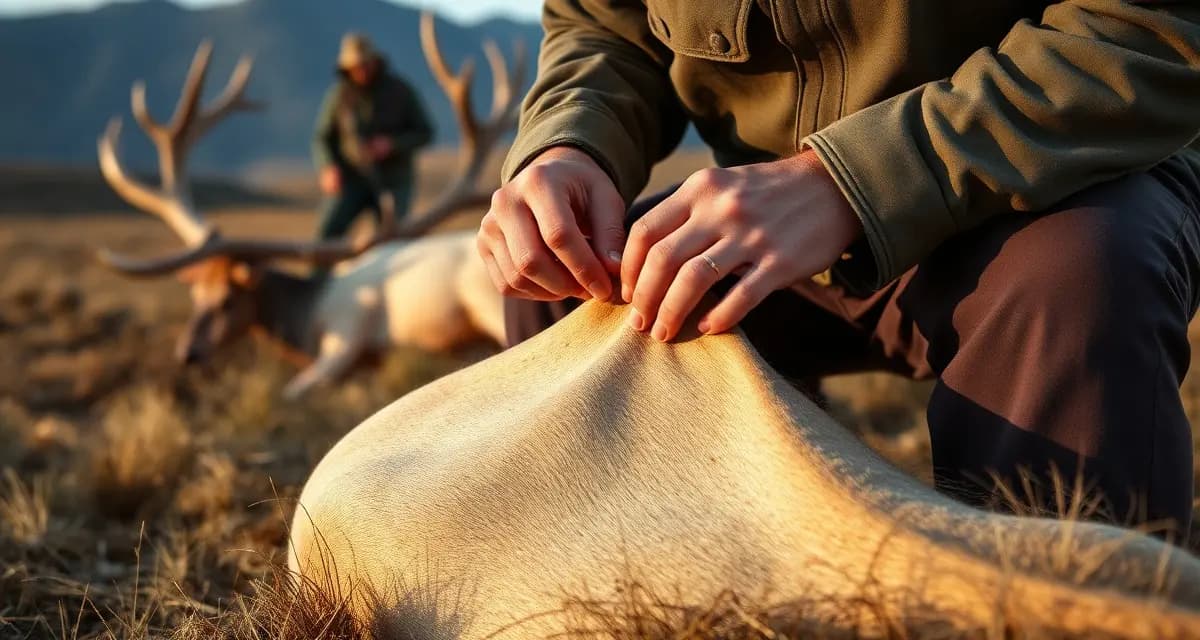
What Should a Hunter Do with an Elk Cape in the Field?
Elk cape slippage from heat exposure is the most common preventable trophy loss in Western hunting. Early September elk seasons mean warm daytime temperatures. Often 70 to 90 degrees in the Rocky Mountain foothills before the weather turns. An elk carcass that sits in warm weather for hours before caping will almost certainly develop slippage.
You worked hard for that bull. Here's what to do in the field to make sure your taxidermist has quality hide to work with.
TL;DR
- Cape the elk as soon as possible after harvest; elk necks are large and retain body heat longer than deer.
- In warm weather, a caped elk hide can begin slipping within 2-4 hours if not cooled.
- Salt the flesh side heavily if you cannot get to a freezer within 8-12 hours.
- Leave 8-10 inches of extra cape behind the shoulder to give the taxidermist enough material.
- Do not cut the face, ears, or around the antler bases; leave all fine cutting to the taxidermist.
- Document the harvest details including county and date before leaving the field.
Cape the Elk Immediately
Don't wait. Don't plan to do it tomorrow morning. An elk cape in warm weather starts to slip within 12 to 24 hours of death, sometimes sooner if temperatures are high.
The caping process on an elk is similar to a deer but much larger and more physically demanding. If you're hunting alone or with one partner, it's worth knowing the basic process before you head into the field. A caping job that takes an experienced person 45 minutes can take an inexperienced person several hours. Hours your hide doesn't have in warm weather.
Basic elk caping cuts:
- Make a cut completely around the body roughly 10 inches behind the front shoulder
- Make cuts down the back of each front leg to the knee
- Work the cape off the body, pulling and cutting carefully around the head
- Leave the face skinning to the taxidermist if at all possible, if you can get the cape to a shop or cooler, leave the head attached
Cool the Cape Immediately
Getting temperature out of the hide is the priority. Options in the field:
Salt the hide. Fine non-iodized salt applied liberally to the flesh side pulls moisture and slows bacterial growth. Apply heavily, especially to thick areas. This buys time if you can't get to a cooler. Most taxidermists recommend a full box of salt per elk cape.
Roll and pack with ice. If you have ice available in the field or in a truck, pack the salted cape in a bag with ice.
Hang in shade. If nothing else is immediately available, hang the cape in the coolest, shadiest spot accessible. Airflow across the flesh side helps cool it.
Get it to a cooler fast. If you're within a reasonable distance of a vehicle with a cooler, that's the priority.
What to Do When You Can't Skin in the Field
If you're on a backcountry pack-in hunt and recovering the entire elk takes multiple days, skinning the head area becomes critical. The body hair insulates heat even in cool overnight temperatures.
At minimum: get the cape off the body and into a position where it can cool. If the head must travel with the cape, opening the ears and getting them turned (or at least opened from the inside) reduces spoilage risk at the most vulnerable area.
Consult with your taxidermist before the hunt about their preferred field protocol for a backcountry elk situation. A 5-minute conversation before you leave can prevent a very expensive mistake.
Freezing an Elk Cape
If you're hunting relatively close to a freezer:
- Salt the cape first
- Let it drain for 2 to 4 hours after salting
- Fold flesh-side out
- Double-bag and remove all air
- Freeze
An elk cape is a large, heavy piece of hide. It takes significantly longer to freeze solid than a deer cape. Make sure your freezer has enough capacity and that the cape is positioned to freeze from multiple surfaces rather than just the exterior.
What Not to Do
- Don't leave the cape on the elk overnight in warm weather. Even in cool fall nights, the body mass retains heat for hours.
- Don't use table salt or iodized salt. The iodine can discolor the hide. Use non-iodized canning or pickling salt.
- Don't submerge the cape in water. Moisture accelerates slippage, not prevents it.
- Don't stuff the cape in a bag without removing air. A bag full of warm, moist air is an ideal environment for bacterial growth.
Frequently Asked Questions
How do I cape an elk for a shoulder mount?
Cut around the body 10 inches behind the front legs, make a cut down the back of each front leg to the knee, and work the hide forward off the body toward the head. Leave the head attached if you can get to a taxidermist or cooler within a few hours, a taxidermist prefers to do the face skinning themselves. Salt the flesh side heavily with non-iodized salt as soon as the cape is off the body.
How do I cool an elk cape in the field without a cooler?
Salt the flesh side heavily with non-iodized salt, use a full box or more. Hang the cape in the shadiest, coolest area available with airflow across the flesh side. If you're within range of civilization, prioritize getting the cape to ice or a freezer. A salted cape hung in shade buys several hours in moderate temperatures. In temperatures above 70 degrees, additional cooling beyond salt is urgent.
Can an elk cape be frozen in the field without skinning?
No. You must skin the elk before freezing. Freezing a carcass or attached cape does not stop the decomposition that's already occurring beneath the hide. The cape must be removed from the carcass, salted, and then frozen as soon as possible. Attempting to freeze an unskinned elk head or cape still attached to the body is not an effective preservation method.
How much cape should a hunter leave on an elk for a shoulder mount?
Leave at least 8-10 inches of hide behind the shoulder, more than you think is necessary. Cut around the body well behind the front legs. Cut up the back of the neck to the base of the antlers. Leave the face completely intact. Taxidermists can work with extra material but cannot add material that was cut too short in the field.
What should a hunter do with a bull elk cape if they are in a remote area without a freezer?
Skin the cape immediately after harvest. Salt the flesh side heavily and evenly, paying attention to the thick neck area. Fold flesh-to-flesh and hang in a shaded, ventilated location. Get the salted cape to a taxidermist as quickly as possible, ideally within 48-72 hours. Salted elk capes handled correctly can remain viable for several days in cool conditions.
Does elk field care differ for an archery harvest versus a rifle harvest?
The principles are the same, but timing often differs. Archery elk season in September in many states means warm temperatures and faster decomposition. A September bull elk requires even faster caping and cooling than a November bull harvested in cold weather. The warm-weather timeline for slippage is measured in hours, not days.
Related Articles
- How Should a Hunter Care for a Turkey Before the Taxidermist?
- How Should a Deer Cape Be Prepared for Winter Storage?
- How Long Does an Elk Taxidermy Mount Take?
- What Records Must Colorado Taxidermists Keep for Elk?
Try These Free Tools
Put these insights into practice with our free calculators and planners:
Sources
- National Taxidermists Association (NTA)
- Rocky Mountain Elk Foundation
- Breakthrough Magazine
Get Started with MountChief
The best elk taxidermy starts with how the hunter handles the cape in the field. MountChief lets you send field care guidelines to customers at intake or inquiry so they arrive with capes in the best possible condition. Try MountChief to make customer education part of your intake process.