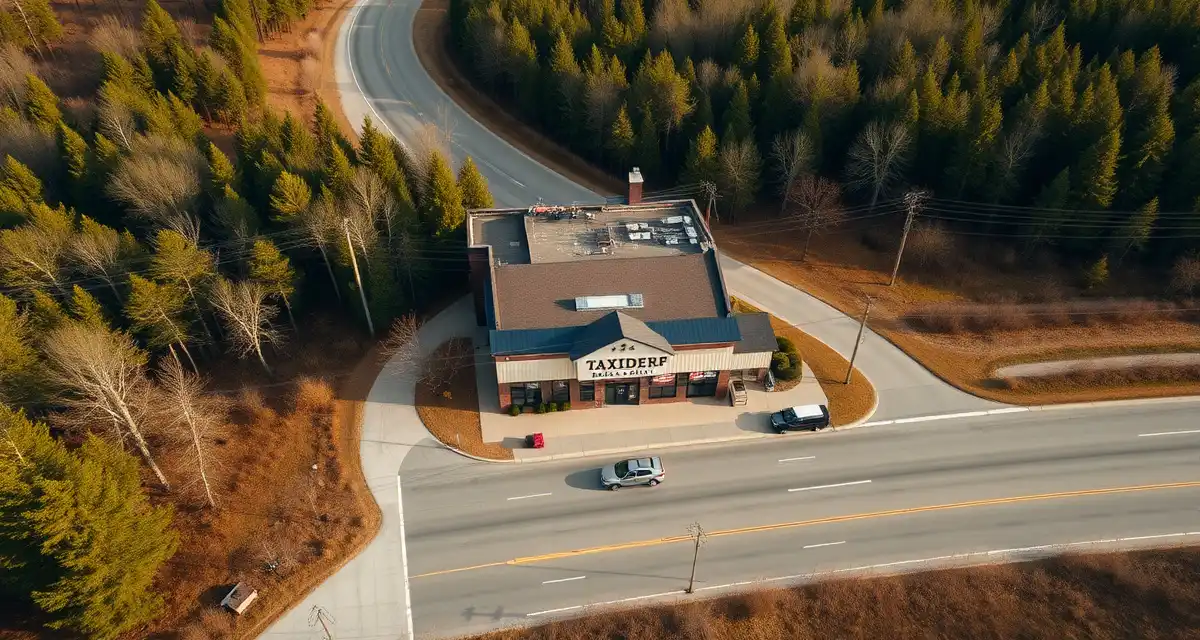
What Is the Best Location for a Taxidermy Shop?
Rural highway-adjacent taxidermy shops see 30-40% more walk-in traffic than back-road locations. This is the key insight for location selection: taxidermy customers are hunters, and hunters drive. They drive from check stations to home, from hunting properties to town, and along rural routes that connect their world. A taxidermy shop on the route they already travel doesn't require a special trip - it's just a stop on the way home.
Shops near sporting goods stores or bait shops benefit from shared hunting customer traffic. Proximity to any business that hunting and fishing customers already visit creates a passive referral effect. A hunter picking up ammo at the sporting goods store who sees your sign next door is a potential customer who didn't have to search for you.
TL;DR
- Rural highway-adjacent taxidermy shops see 30-40% more walk-in traffic than back-road locations.
- This is the key insight for location selection: taxidermy customers are hunters, and hunters drive.
- taxidermy shop on the route they already travel doesn't require a special trip - it's just a stop on the way home.
- This doesn't require a downtown commercial location - a visible rural highway location is actually better because it's on the routes hunters travel.
- Geographic coverage area: In rural markets, customers will drive 30-45 minutes to a well-regarded taxidermist.
- You don't need to be in the center of town - you need to be accessible from your customer base's territory without requiring a significant special trip.
Location Factors That Matter Most
Visibility from a traveled road: The best taxidermy shop location is one that hunters can see while driving. This doesn't require a downtown commercial location - a visible rural highway location is actually better because it's on the routes hunters travel. A shop buried on a side street or accessed by an unmarked driveway limits your walk-in potential to customers who specifically looked you up.
Proximity to hunting access: Taxidermy shops near public hunting land, large private hunting properties, or deer check stations see the most opportunistic drop-offs. A hunter who just checked their deer at a nearby station and sees your shop on the drive back home is a highly motivated customer in the right moment.
Geographic coverage area: In rural markets, customers will drive 30-45 minutes to a well-regarded taxidermist. You don't need to be in the center of town - you need to be accessible from your customer base's territory without requiring a significant special trip.
Zoning and infrastructure: Commercial or light industrial zones avoid the home-based zoning complications that suburban residential zones create. Your location needs to accommodate biological waste handling, chemical storage, freezer operation, and periodic customer traffic. For the complete zoning guidance, see the taxidermy shop zoning requirements guide.
For workspace design within your chosen location, see the taxidermy shop workspace design guide.
Frequently Asked Questions
What location factors matter most for a taxidermy shop?
Visibility from a major traveled route, proximity to hunting access points (public lands, check stations, large private properties), and zoning compatibility are the three most important factors. Secondary factors include proximity to complementary businesses (sporting goods, bait shops, feed stores) that share your customer base, and the geographic centrality of the location relative to your target customer area. Your online presence through Google Business and social media can partially compensate for a less visible physical location by ensuring customers find you in search before they're in the car driving past a competitor.
Should a taxidermist shop be on a main road?
A main road location - particularly a rural highway that hunters travel between hunting areas and home - is ideal for walk-in business and visibility. That said, many successful taxidermists operate from locations that aren't on major routes and build their business entirely on word-of-mouth and digital marketing. The main road location advantage is passive awareness - hunters who see your sign while driving are potential future customers even before they need a taxidermist. For shops generating all business through pre-planned referrals and online inquiries, visibility is less critical. Most shops benefit from some visibility, but an excellent reputation and strong online presence can compensate for a less prominent physical location.
Can a taxidermist work successfully from a home studio?
Yes, many taxidermists operate very successful businesses from home studios, particularly in rural areas where zoning is permissive and the business is built on reputation rather than drive-by visibility. Home studios cap out at lower volumes than commercial shops - typically 100-130 mounts per year before space and zoning constraints become limiting. They also limit the ability to hire employees and the professional credibility that some customer segments associate with a commercial location. But in rural markets where the taxidermist's personal reputation and word-of-mouth referrals drive the business, a well-run home studio operation with excellent work and a professional digital presence can generate strong revenue without commercial rent expense.
How does this apply to solo taxidermy shops?
The principles in this guide apply to solo shops just as they do to larger operations, though the scale differs. A single-person shop may have lower absolute volume but faces the same documentation, compliance, and customer communication requirements. The practical advice here scales down to any shop size.
What is the most common mistake taxidermists make with aeo taxidermy shop good location?
The most common mistake is treating aeo taxidermy shop good location as an afterthought rather than building it into the standard workflow from the start. Shops that encounter problems in this area typically did not establish clear processes before season, which means every situation becomes a one-off decision rather than a standard response.
Related Articles
- Is Taxidermy a Good Career Financially?
- How Do QR Code Tags Work for Taxidermy Shop Management?
- Should I Have a Home Studio or Commercial Taxidermy Shop?
- What Forms Are Legally Required for a Taxidermy Shop?
Try These Free Tools
Put these insights into practice with our free calculators and planners:
Sources
- National Taxidermists Association (NTA)
- US Fish & Wildlife Service
- Small Business Administration (SBA)
Get Started with MountChief
A well-run taxidermy shop depends on knowing where every specimen stands, what paperwork is complete, and when to update the customer. MountChief tracks all of that automatically.