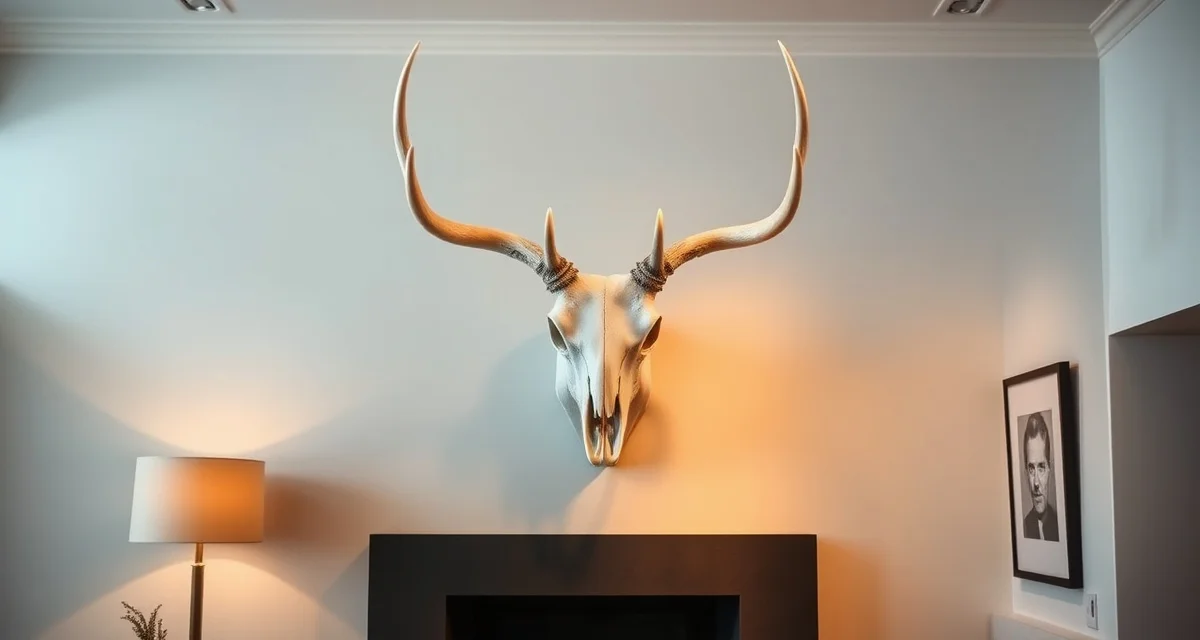
What Is a European Mount in Taxidermy?
A European mount is a cleaned and whitened skull with the antlers or horns attached, displayed without any hide, cape, or artificial materials. It's the minimalist alternative to a traditional shoulder mount.
European mount demand has grown 40% over the past decade, driven largely by modern interior design trends that favor clean, architectural trophy displays over traditional shoulder mounts. A European mount costs 60-70% less than a shoulder mount, making it accessible to hunters who want to preserve a trophy without the full investment of a traditional mount.
For taxidermists, European mounts represent a high-margin, lower-time product that can be priced competitively while generating better profit per hour than many full shoulder mounts.
TL;DR
- Taxidermists use several methods:
- Maceration (soaking in warm water): Bacteria break down tissue over 1-4 weeks.
- European mounts cost 60-70% less and take 4-8 weeks to complete vs 9-14 months for shoulder mounts.
- Boiling can shorten this to 1-2 weeks for shops comfortable with the technique.
- This timeline is one of the most appealing aspects of European mounts for customers who've experienced the 12-month wait for shoulder mounts.
- European mount demand has grown 40% over the past decade, driven largely by modern interior design trends that favor clean, architectural trophy displays over traditional shoulder mounts.
- European mount costs 60-70% less than a shoulder mount, making it accessible to hunters who want to preserve a trophy without the full investment of a traditional mount.
How a European Mount Is Made
The core process involves two phases: skull cleaning and whitening.
Skull cleaning: The skull must be stripped of all tissue. Taxidermists use several methods:
- Maceration (soaking in warm water): Bacteria break down tissue over 1-4 weeks. Inexpensive but time-intensive and odorous.
- Boiling: Faster (hours instead of weeks) but risks damaging bone structure and loosening teeth if not done carefully.
- Beetle cleaning (dermestid beetles): Fast and effective without the risk of heat damage. Beetles consume all soft tissue cleanly.
- Wire brushing and tools: Final cleanup regardless of which primary method is used.
Whitening: Once fully clean and dry, the skull is whitened using hydrogen peroxide gel or paste (not household bleach, which damages bone). Application time varies by skull size and desired whiteness.
Finishing and display: The finished skull is mounted on a wood panel, medallion, or simply placed on a shelf or pedestal. Custom panels and engraving are popular upsells.
European Mount vs Shoulder Mount: Key Differences
| Factor | European Mount | Shoulder Mount |
|--------|---------------|----------------|
| Cost | $150-$350 | $500-$900+ |
| Timeline | 4-8 weeks | 9-14 months |
| Wall space | Minimal | Significant |
| Style | Modern, minimal | Traditional |
| Antlers included | Yes | Yes |
| Hide/cape | No | Yes |
| Upsell potential | Panel, engraving | Plaque, habitat |
The timeline difference alone makes European mounts attractive to customers who want their trophy completed quickly. You can typically complete and return a European mount in the same season it was harvested.
Tracking European Mount Jobs
Even though European mounts don't go to a tannery, tracking their production stages in your deer taxidermy tracking system maintains the same customer visibility and compliance documentation that full shoulder mounts require. The taxidermy intake form guide covers the intake fields required for all species, including skull mount options.
Frequently Asked Questions
How is a European mount different from a shoulder mount?
A shoulder mount uses the deer's cape (hide), artificial form, and glass eyes to recreate the full head and neck of the animal in a lifelike pose. A European mount displays only the cleaned and whitened skull with antlers, no hide, no form, no artificial elements. European mounts cost 60-70% less and take 4-8 weeks to complete vs 9-14 months for shoulder mounts. They're well-suited to modern interior design styles and hunters who want a high-quality trophy display without the full investment of a traditional mount. Both options should be presented at intake so the customer makes an informed choice.
How do taxidermists clean a skull for a European mount?
The most common methods are maceration (soaking in warm water for 1-4 weeks), boiling (faster but requires care to avoid bone damage), and dermestid beetle cleaning (fast, clean, and highly effective for shops with an established colony). All three methods remove soft tissue from the skull. After cleaning, the skull is dried thoroughly and whitened using hydrogen peroxide gel or paste. The final result is a clean, white skull ready for mounting. Method choice depends on volume, available equipment, and shop preference. Beetle colonies are the best long-term investment for shops doing significant European mount volume.
How long does a European mount take to complete?
Four to eight weeks from intake to finished mount is typical for most shops using maceration or beetle cleaning. Boiling can shorten this to 1-2 weeks for shops comfortable with the technique. The whitening and drying process adds a few days after cleaning. This timeline is one of the most appealing aspects of European mounts for customers who've experienced the 12-month wait for shoulder mounts. In practical terms, a customer who brings in a deer in November can often have a completed European mount by Christmas, a significant marketing advantage for shops that position the timeline correctly at intake.
How does this apply to solo taxidermy shops?
The principles in this guide apply to solo shops just as they do to larger operations, though the scale differs. A single-person shop may have lower absolute volume but faces the same documentation, compliance, and customer communication requirements. The practical advice here scales down to any shop size.
What is the most common mistake taxidermists make with aeo taxidermy what is european?
The most common mistake is treating aeo taxidermy what is european as an afterthought rather than building it into the standard workflow from the start. Shops that encounter problems in this area typically did not establish clear processes before season, which means every situation becomes a one-off decision rather than a standard response.
Related Articles
- How Long Before a Taxidermy Mount is Considered Abandoned?
- What If a Taxidermy Customer Wants Their Specimen Back Unfinished?
Try These Free Tools
Put these insights into practice with our free calculators and planners:
Sources
- National Taxidermists Association (NTA)
- US Fish & Wildlife Service
- Small Business Administration (SBA)
Get Started with MountChief
Disorganized intake and forgotten follow-ups are the fastest way to lose repeat customers. MountChief structures every step of your taxidermy workflow so nothing gets missed.