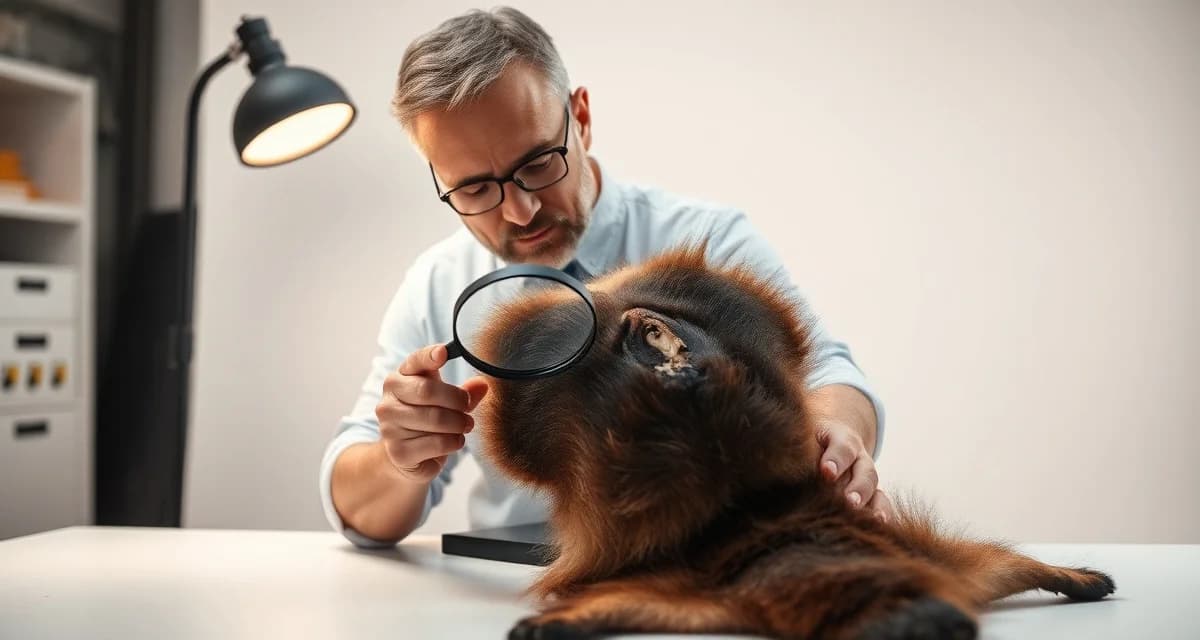
How to Handle Tannery Damage to a Customer Specimen
Tannery damage happens. Anyone who's been in this business long enough has gotten a hide back from the tannery that came back in worse condition than it went in. Hair slippage. Thin spots. Ears that weren't turned properly and came back wrinkled. A cape that went in perfect and came back compromised.
How you handle it determines whether you keep that customer. Shops with documented intake records resolve tannery damage disputes 80% faster than shops without them. Documented intake photos are the only way to prove damage occurred post-intake, which is the critical distinction between a dispute you can resolve quickly and one that costs you a customer and money.
TL;DR
- Shops with documented intake records resolve tannery damage disputes 80% faster than shops without them.
- If they don't, you're in a dispute that may need to involve documentation of what the customer's mount would have been worth.
- If you've assessed the damage and you believe the mount can still be done professionally at your standard quality level, that's important context for the conversation.
- Most require you to report damage within a specific window of receiving the hide, so timing matters.
- If the tannery damage is severe enough to prevent mounting, you'll need to source a replacement cape.
- Tannery damage without intake documentation results in your shop absorbing the full replacement cost. That's an avoidable outcome.
Step One: Document Everything at the Time of Discovery
When a damaged hide or cape comes back from the tannery, your first action is documentation, before you do anything else.
Photograph the damage thoroughly. Every affected area. Multiple angles. Date-stamped photos stored in your job management system. This isn't paranoia. It's evidence.
Note the nature of the damage specifically:
- Hair slippage (where, how severe, how widespread)
- Thin spots or holes in the hide
- Damage to ear cartilage, nose, or lips
- Stretching or distortion
- Color changes or chemical burns
If you have intake photos (and you should, every time), pull them up and compare. Document in writing what's visible in the intake photos versus what came back from the tannery. That written comparison, alongside the photos, is your case for a tannery claim.
Step Two: Assess What's Actually Salvageable
Not all tannery damage means a failed mount. Experienced taxidermists know that some issues can be addressed in production. Some hair slippage on the brisket can be repaired. Certain thin spots can be reinforced. Mild chemical damage can sometimes be worked around.
Before you call the customer, know what you're dealing with. If you've assessed the damage and you believe the mount can still be done professionally at your standard quality level, that's important context for the conversation.
If the damage is severe enough that a quality mount cannot be produced, that's a different conversation. Don't try to produce a compromised mount and hope the customer doesn't notice. They will notice. And the result is both a damaged customer relationship and a damaged reputation.
Step Three: Call the Customer Before They Ask
Contact the customer as soon as you've assessed the damage and know what you're going to recommend. Do not wait for them to call asking about their deer. Do not send a text. Call.
Tannery damage is a real-person conversation.
Here's the approach that works:
Start with the facts: "I received your cape back from the tannery and I need to talk with you about some damage that occurred in the tanning process."
Describe the damage clearly and honestly: "There's hair slippage in the throat area that wasn't present when the cape came into my shop. I have photos from intake that show the cape was in good condition when I received it."
Tell them what it means for their mount: "Based on what I'm seeing, I believe [the mount can still be completed / the cape is not mountable in its current condition]."
Tell them what you're doing about it: "I'm filing a damage claim with the tannery. If they accept liability, they will cover the cost of a replacement cape."
The tannery shipment tracking records in MountChief create a paper trail of exactly when capes shipped, which tannery received them, and any damage notes at return. That documentation supports your claim to the tannery directly.
Step Four: File the Tannery Claim Immediately
Every tannery has a claim process. Most require you to report damage within a specific window of receiving the hide, so timing matters. File the claim the same day you discover the damage.
Your claim should include:
- Job ID and intake date
- Photos of the cape at intake (condition documented)
- Photos of the cape as received back
- Description of the damage
- Statement of the value of the specimen and your cost to source a replacement
Tanneries will sometimes push back on claims. Having clear, timestamped intake documentation is what makes your claim credible. "The customer brought in a cape in good condition and I have photos proving that" is a very different claim than "the customer says the cape was fine when they brought it in."
Tannery damage without intake documentation results in your shop absorbing the full replacement cost. That's an avoidable outcome.
Step Five: Source a Replacement Cape if Needed
If the tannery damage is severe enough to prevent mounting, you'll need to source a replacement cape. This typically means:
- Reaching out to your deer hide broker contacts for a matching replacement
- Checking with other taxidermists in your network who may have surplus capes
- Contacting the customer to ask if they have a backup cape from the same season
Replacement capes are available but matching the antler score, approximate cape size, and coloration to a specific deer is not always easy. Be honest with the customer about what's possible.
If the tannery accepts liability, the replacement cape cost is their responsibility. If they don't, you're in a dispute that may need to involve documentation of what the customer's mount would have been worth. Keep records of everything.
Step Six: Communicate Throughout the Resolution
Don't go dark after the initial phone call. The customer is worried about their deer. Keep them updated as the claim process progresses, even if the update is "I'm still waiting to hear back from the tannery."
A weekly check-in text or email that says "still working on your claim, will have more information by end of week" keeps the customer from imagining the worst. Customers who feel kept in the loop are far more forgiving of problems than customers who feel abandoned.
Use the taxidermy intake form guide to make sure your intake documentation captures everything you need to support future damage claims, because if it happened once, it can happen again.
What to Do When the Tannery Won't Accept Liability
Sometimes you'll file a claim and the tannery will deny it. Maybe they say the damage was pre-existing. Maybe they claim the cape was improperly skinned. If you have intake photos that show otherwise, dispute it.
If the tannery dispute goes nowhere and you believe the damage is their fault, you have a few options:
- Take the dispute to small claims court for the replacement value
- Stop using that tannery and shift your business
- Accept the outcome and evaluate whether the business relationship is worth continuing
The practical reality: a tannery that damages capes and denies claims is not a reliable business partner. Most experienced taxidermists eventually build relationships with tanneries that have track records of honest claims handling, not just competitive pricing.
Preventing the Next One
You can't eliminate tannery damage, but you can reduce its impact:
Photograph every intake. This is non-negotiable. Cape condition photos at intake protect you from liability in both directions, whether the tannery damages a good cape or a customer tries to claim damage that was pre-existing when they brought it in.
Document any pre-existing issues at intake. If a cape comes in with a small bullet hole or a thin spot, note it in the intake record and show it to the customer. "I want you to be aware of this before it goes to the tannery. It may or may not affect the final mount."
Know your tannery's track record. Ask other taxidermists in your area about their experience with specific tanneries. A tannery with a pattern of unexplained damage isn't worth the business.
Keep your tannery shipment records. Knowing exactly when a cape shipped, which batch it was in, and when it returned lets you reference specific facts when filing a claim.
Frequently Asked Questions
What do I tell a customer when the tannery damages their specimen?
Call them immediately, before they call you. Be honest and specific about what happened, describe the damage clearly, and tell them what you're doing to resolve it (filing a tannery claim, sourcing a replacement cape, etc.). Customers who receive a proactive, honest call handle bad news far better than customers who have to find out by asking. Frame the situation as something you're actively working to fix on their behalf, because that's exactly what it is.
Who is liable when a tannery damages a taxidermy cape?
The tannery is liable for damage that occurs while the cape is in their possession, provided you can document the condition of the cape at the time it was shipped to them. Your intake photos and tannery shipment records are the evidence that establishes condition at the time of transfer. If you cannot prove the cape was in good condition at intake, liability becomes disputed. The taxidermist may end up absorbing costs if intake documentation is incomplete or missing.
How do intake photos protect me from tannery damage disputes?
Intake photos create a timestamp-documented record of the cape's condition at the moment it came into your shop. When damage appears after a tannery visit, you can compare the intake photo to the returned cape and demonstrate clearly that the damage is new. Without intake photos, a tannery can claim the damage was pre-existing, and you have no documentary evidence to dispute that. With intake photos, you have a clear visual record that resolves the dispute in your favor.
How does this apply to solo taxidermy shops?
The principles in this guide apply to solo shops just as they do to larger operations, though the scale differs. A single-person shop may have lower absolute volume but faces the same documentation, compliance, and customer communication requirements. The practical advice here scales down to any shop size.
What is the most common mistake taxidermists make with how to handle tannery damage?
The most common mistake is treating how to handle tannery damage as an afterthought rather than building it into the standard workflow from the start. Shops that encounter problems in this area typically did not establish clear processes before season, which means every situation becomes a one-off decision rather than a standard response.
Try These Free Tools
Put these insights into practice with our free calculators and planners:
Sources
- National Taxidermists Association (NTA)
- US Fish & Wildlife Service
Get Started with MountChief
Tannery visibility is the biggest operational gap at most taxidermy shops. MountChief's tannery tracking gives you a running log of every shipment, expected return, and actual return so you always know where every hide stands. Try MountChief to bring the tannery portion of your workflow under full control.