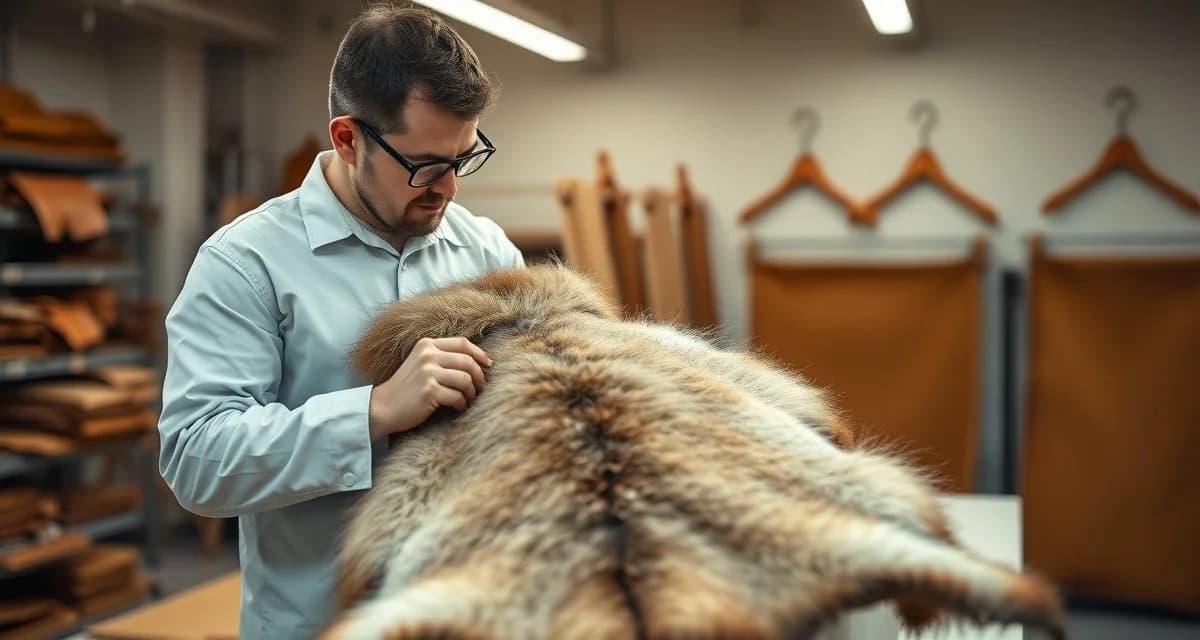
Can I Request My Cape Back from the Tannery Mid-Process?
Mid-tannery cape retrieval requests happen most often after customer cancellations. When a customer cancels their mount mid-season and the cape is already at the tannery, you need to retrieve it before completing the work. Documented tannery submission records establish what was sent to ensure full return.
Yes, you can request a cape back from the tannery mid-process in most cases. Tanneries deal with this situation periodically and have processes for it. But understanding what you'll receive back, what it will cost, and what state the cape will be in is important before you make the request.
TL;DR
- Expect 8-12 weeks for a deer cape round-trip to a professional tannery.
- Document every shipment to the tannery: species, quantity, expected return date, and tracking number.
- Inspect every returned cape before accepting it; tannery damage occasionally occurs and must be documented immediately.
- Return capes should be soft, pliable, and free of strong chemical odor.
- Tannery communication is crucial when delays occur; proactive tracking lets you update customers before they call.
What You'll Pay
When you request a cape returned mid-process, you pay for work completed to that point. A cape that's been pickled and neutralized but not yet tanned will cost less than a cape that's already in the drum in tanning solution. A cape that's finished tanning but not yet dried will cost close to the full tannery fee.
Most tanneries also charge a cancellation or retrieval fee on top of the work-completed charge. This fee covers the administrative cost of pulling your cape from the batch, processing a partial job, and handling the return shipment.
Ask your tannery directly about their cancellation and retrieval policies before you need them. Knowing the process and approximate costs in advance lets you give customers accurate information when cancellation requests come in.
What State the Cape Will Be in
The state of the returned cape depends on where it was in the tanning process:
If retrieved before pickling: The raw salted cape is essentially as it was when shipped. It can be re-processed by another tannery or tanned in-shop.
If retrieved during or after pickling: The cape will be in an acidic pickle state. It requires neutralization and either further tanning or careful drying/salting to preserve it. This state is workable but requires additional handling.
If retrieved mid-tan: The cape may be in a wet, partially tanned state. Depending on the tanning method, this state may be difficult to stabilize without completing the process.
If retrieved after tanning but before finishing: A wet-tan cape in this state is actually the most usable outcome - it can be returned to you ready to mount without additional tannery work.
Communication with Your Tannery
Contact your tannery by phone for retrieval requests - email can be too slow if the cape is actively in process. Explain which cape you need returned (by your job number/tag, customer name, and species), why you need it back, and your timeline.
Good tannery relationships built over time make these conversations easier. A tannery that knows you as a consistent, professional customer handles retrieval requests more smoothly than an anonymous account.
For tracking your tannery shipments and knowing exactly what's at the tannery at any time, see the tannery shipment tracking guide and the customer portal guide.
Frequently Asked Questions
How do I get a deer cape back from the tannery?
Call your tannery directly and provide the specific cape information: your job number or tag, the customer name, and the species. Explain that you need the cape returned and ask about the retrieval process, cost, and timeline. Tanneries handle retrieval requests regularly - it's not an unusual situation. Provide your tannery with any identifying information you have on the cape: the tag number you attached, any customer identification on the bag, and the date it was received in your shipment. Good documentation at the time of shipment - a manifest with identifying details for each cape - is what allows you to ensure the tannery returns the correct one.
Will the tannery charge me to return a cape mid-process?
Yes. You'll pay for work completed to the point of retrieval, plus typically a cancellation or retrieval fee. The exact charge depends on how far along the cape was in the process. A cape retrieved before processing begins incurs minimal charges. A cape retrieved after tanning but before finishing may cost close to the full tannery fee. Ask your tannery about their specific cancellation policy - this varies by tannery. When a customer cancels and needs a cape retrieved, factor these costs into the deposit deduction calculation before you refund any portion of the customer's deposit.
What state will my cape be in if I get it back before tanning is complete?
It depends on the tanning stage. A cape retrieved before pickling is essentially raw - it's in the same salted state as when you shipped it. A cape retrieved during or after pickling is in an acidic wet state that requires neutralization and careful handling to stabilize. A cape pulled mid-tan may be in an unstable partial state that's difficult to preserve without completing the process. A fully tanned but unfinished cape (wet-tan stage) is actually quite usable - it can be returned to you ready to mount. When you contact the tannery for a retrieval, ask specifically what stage the cape is in and what state it will be returned in so you can advise the customer accurately.
What should I check when capes return from the tannery?
Check each hide for suppleness and even tanning, look for any areas that are stiff or unevenly preserved, check for any damage that may have occurred during processing, and verify that the hide count matches your shipment manifest. Catching tannery issues immediately on return gives you the best chance of resolution with the tannery. Document any damage with photos before doing any additional work.
What do I do if the tannery returns fewer hides than I shipped?
Contact the tannery immediately with your shipment documentation showing the original count. A detailed shipment log with species, individual job numbers, and a count is essential for resolving discrepancies. This is one of the primary reasons to maintain a tannery tracking log rather than relying on memory.
How do I manage customer expectations when tannery returns are delayed?
Proactive communication is the key. If you have tannery tracking and know a return is running 3 weeks late, reach out to affected customers before they call you. A brief message saying you are aware of the delay and updating their estimated completion date is much better received than silence followed by a missed deadline with no explanation.
Related Articles
- How Does Taxidermy Tannery Processing Work?
- What Happens if My Deer Cape Has Freezer Burn?
- What Should a Hunter Do with an Elk Cape in the Field?
- Can Hair Slippage on a Deer Cape Be Fixed?
Try These Free Tools
Put these insights into practice with our free calculators and planners:
Sources
- National Taxidermists Association (NTA)
- Breakthrough Magazine
- Leather and Hide Council of America
Get Started with MountChief
Tannery visibility is the biggest operational gap at most taxidermy shops, and MountChief's tannery tracking fills it. Log every shipment, track every return, and always know where every hide stands. Try MountChief to bring the tannery portion of your workflow under control.