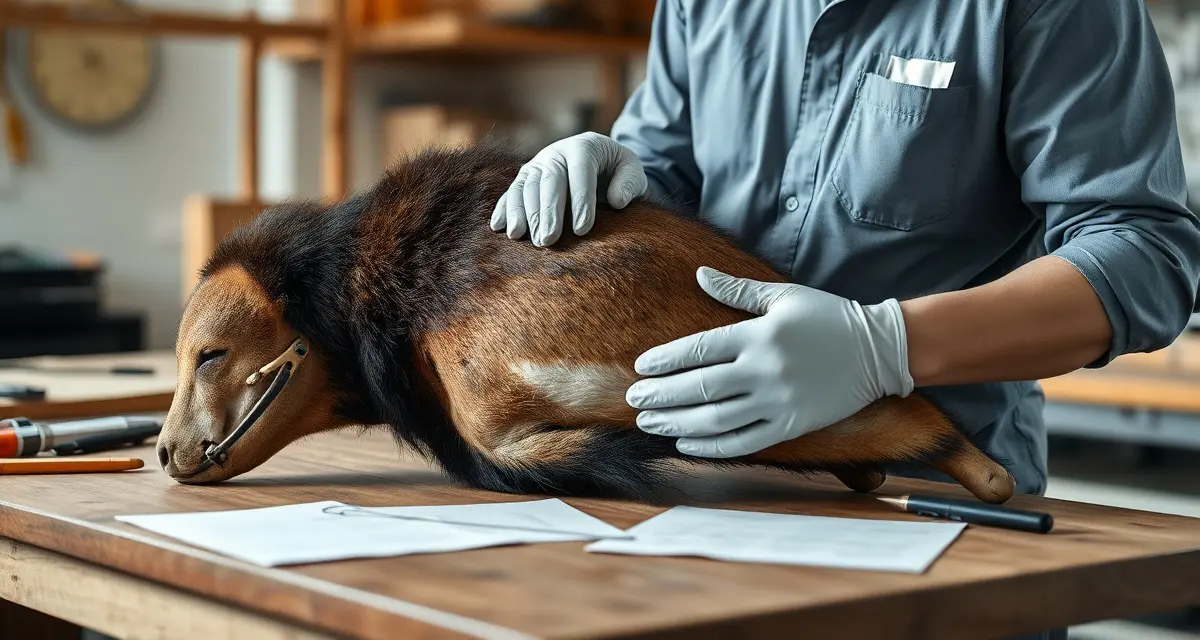
What Should a Taxidermist Do with a Badly Damaged Cape?
Same-day damage disclosure prevents most angry-customer escalations related to cape condition. Written documentation of the customer's decision to proceed after disclosure protects the shop.
When a badly damaged cape arrives, whether it was documented at intake or discovered during processing, the correct response follows a clear sequence: document, disclose, discuss options, get written authorization.
TL;DR
- Document every damaged cape thoroughly with photos before accepting it or beginning any work.
- Communicate honestly with the customer about what the damage means for the finished mount before work begins.
- Minor damage in low-visibility areas can often be repaired; damage to the face and nose is much harder to address.
- A written acknowledgment from the customer about pre-existing damage protects you from disputes later.
- Hair slippage and freezer burn are the two most common forms of cape damage taxidermists receive.
Step 1: Document Thoroughly Before Anything Else
Before contacting the customer, document the damage completely:
- Photograph every damaged area from multiple angles
- Include a ruler or scale reference in the photos
- Write a detailed description of what you're seeing: location, severity, type of damage (slippage, freezer burn, rot, cuts)
- Rate the overall condition using your standardized scale (1-5)
If the damage was present at intake and you documented it then, confirm the current documentation matches what was recorded. If the damage was discovered during processing (which sometimes happens when a cape opens up more during fleshing), document the current state completely.
This documentation is your protection in any subsequent dispute.
Step 2: Contact the Customer Within 24 Hours
Same-day contact is the ideal. The longer you wait, the worse the customer imagines things are. A customer who doesn't hear about a problem until they ask about it assumes you were hiding something.
Communication approach:
Call first if you have a good relationship with the customer. For customers you don't know well or for severe damage, a call followed by a text with the photos attached is the best combination.
The message should be:
- Direct and honest about the condition
- Specific about what you're seeing (not vague)
- Focused on options, not just problems
Script: "I wanted to reach out about your deer cape. When I opened it up during processing, I found [specific issue: significant slippage on the face, freezer burn on the shoulder area, etc.]. I've taken photos that I'm going to share with you. I want to walk you through your options and make sure you understand what this means for the mount before I do anything further."
Step 3: Present the Options
Once you've described the condition, offer concrete options. Most situations have three:
Option 1: Proceed with best-effort repair
Be honest about what this means. "I can work with this cape and do my best to minimize the issue. In [specific areas], the repair will be [visible/less visible/possibly notable]. The finished mount may show [specific limitation]. This requires your written authorization to proceed."
Option 2: European skull mount
"If you'd like a high-quality option that doesn't depend on the cape, I can do a European skull mount with your antlers. The quality will be excellent because it's not affected by the cape condition."
Option 3: Decline the mount with deposit return
"If you'd prefer, I can refund your deposit [minus an assessment fee if applicable] and return the skull and antlers to you. Some customers prefer this if the cape can't produce the mount they envisioned."
Don't push the customer toward any option. Present all three clearly and let them decide.
Step 4: Get Written Authorization Before Proceeding
For any damaged cape where you proceed to mount, get written authorization from the customer that acknowledges:
- The specific condition issues you described
- What the customer understands about how this may affect the finished mount
- Their decision to proceed with that understanding
This can be a signed note, an email reply where they explicitly confirm they want to proceed, or an authorization checkbox in your management system.
This written record is what protects you when the mount is finished and the customer says "but it looked fine when I dropped it off." The taxidermy intake form guide covers how to structure this authorization language.
Charging an Assessment Fee
If you've done significant work before discovering the cape is unmountable, fleshing, initial preparation, consultation time, you've incurred real costs. Most taxidermists include assessment fee language in their intake policies: "If a cape is found to be unmountable during preparation, an assessment fee of $[amount] applies."
This fee is defensible when:
- The intake policy included it and the customer signed it
- You've actually performed work (not just looked at the cape)
- The fee is reasonable relative to the work done
Don't be aggressive about assessment fees on sympathetic situations. A hunter who's upset about losing their trophy cape doesn't need an additional fight about a $100 fee. Use judgment about when the fee matters vs when waiving it buys goodwill that's worth more.
Frequently Asked Questions
How do I tell a customer their deer cape is too damaged to mount?
Call them directly, without sugarcoating. "I need to share something difficult about your cape, when I opened it up, I found damage that's going to prevent me from producing the quality mount I'd want to deliver to you." Send photos simultaneously so they can see what you're describing. Then focus on options: what can be done instead (European mount, skull-only, deposit return). Hunters respect honesty more than they respect being handled. What creates lasting damage to the relationship is delay, surprise, or a poor-quality finished mount that could have been avoided by having this conversation earlier.
Can I charge for assessing a cape that cannot be mounted?
Yes, if your intake policy includes an assessment fee clause and the customer agreed to it at intake. The fee compensates for time and labor invested before the unmountable condition was discovered. Keep the fee proportional to the actual work done. If you've done 30 minutes of assessment and preparation work, a $50-$75 fee is reasonable. If you've done several hours of fleshing before discovering severe rot, a higher fee is justified. The key is that the fee language was in the intake form the customer signed, surprises at this stage of an already disappointing situation escalate conflict.
What are my options when a cape arrives in poor condition?
Your three options: proceed with best-effort work and written customer authorization documenting their understanding of the limitations; offer an alternative like a European mount that doesn't depend on the cape; or decline the job and return the deposit (minus applicable assessment fees). For each option, get the customer's informed consent in writing. The option you recommend depends on the severity of the damage, the visibility of the affected areas, and your honest assessment of whether the result will meet the customer's expectations. If you can't produce something you'd be proud to show, recommending against proceeding protects your reputation as much as it protects the customer's investment.
How do I tell a customer their cape is too damaged to mount?
Be direct and specific. Tell them what you found, where the damage is, and what it means for the finished mount. Show them your intake photos if possible. Give them a clear choice: proceed with the limitations you have described, or do not proceed. Do not accept a severely damaged cape if you cannot deliver a result you would be proud to put your name on. That is better for both you and the customer.
Can cape slippage be repaired after tanning?
Minor slippage in lower-visibility areas can sometimes be managed with careful mounting and finishing. Slippage in the face, around the eyes, or on the nose typically shows in the finished mount regardless of the taxidermist's skill. The limitation is in the hide itself, not the taxidermist's work. Document it clearly before proceeding.
What is the professional standard for intake documentation of a damaged cape?
Photograph every area of damage at intake, note each issue in writing on the intake form, describe the likely impact on the finished mount, and get the customer's written acknowledgment of the pre-existing condition before accepting the job. This documentation is what protects you when a customer later complains that the finished mount does not meet their expectations.
Related Articles
- What Should a Hunter Do with a Bear Before the Taxidermist?
- What Should a Hunter Do with an Elk Cape in the Field?
- Can I Do a European Mount Myself or Should I Use a Taxidermist?
Try These Free Tools
Put these insights into practice with our free calculators and planners:
Sources
- National Taxidermists Association (NTA)
- Breakthrough Magazine
- Taxidermy Today
Get Started with MountChief
Damaged cape documentation at intake is what separates a professional dispute from a costly complaint. MountChief's intake system includes condition notes and photo capture so pre-existing damage is always documented before work begins. Try MountChief to protect your shop from the disputes damaged specimens can cause.