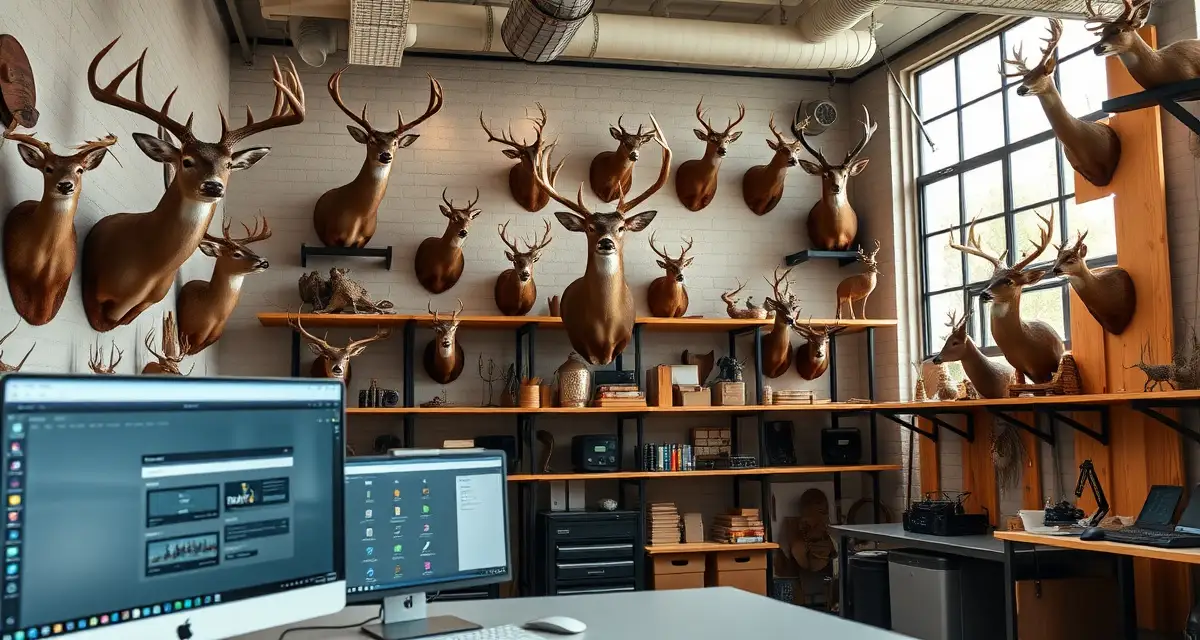
Taxidermy Shop Management Software for Maryland Shops
Maryland's suburban deer density creates a year-round reality for taxidermists unlike most states. Nuisance deer harvest permits, county-specific antlerless seasons, and an extended deer season running nearly four months create sustained intake pressure from September through January.
TL;DR
- Deer intake records must include customer information, hunting license number, deer harvest tag or permit number, harvest county, and harvest date.
- Records must be retained and available for MDoNR inspection.
- license must be current and records maintained per MDoNR requirements.
- County-specific harvest documentation is the key.
- Because Maryland's antlerless seasons vary by county, documenting the exact county and season type for each deer is more important than in states with uniform statewide seasons.
- Nuisance deer harvest permits, county-specific antlerless seasons, and an extended deer season running nearly four months create sustained intake pressure from September through January.
Maryland's Extended Season Structure
Maryland's antlerless deer seasons are among the most complex in the East, multiple county-specific dates, varying bag limits, and special permit hunts that operate outside of standard season dates. For taxidermists, this means:
- Documentation of harvest type (regular season vs. special permit vs. nuisance permit) matters
- County-of-harvest is required for compliance
- A nearly year-round intake context for antlerless deer
The Maryland Department of Natural Resources (MDoNR) requires detailed records that reflect this complexity.
Suburban Market Dynamics
Maryland's combination of rural western counties and densely populated central and suburban areas creates a customer base with high service expectations. Hunters in Montgomery County or Howard County are accustomed to professional digital experiences in every part of their lives, and they bring those expectations to your shop.
A customer portal doesn't just prevent calls from a Maryland suburban hunter. It actively builds your reputation as a professional operation. These customers tell other hunters. They leave Google reviews. The customer experience matters more in Maryland's suburban market than in many rural states.
MDoNR Documentation Requirements
Maryland MDoNR requires:
- State taxidermy license
- Hunter license and deer tag documentation at intake
- Written intake records for all game species
- Records available for inspection
Related Articles
- Taxidermy Shop Management Software for California Shops
- Taxidermy Shop Management Software for Colorado Shops
- Taxidermy Shop Management Software for Connecticut Shops
- Taxidermy Shop Management Software for Delaware Shops
FAQ
What MDoNR records must Maryland taxidermists keep?
Maryland MDoNR requires taxidermist licensing and written intake records for all game species. Deer intake records must include customer information, hunting license number, deer harvest tag or permit number, harvest county, and harvest date. Records must be retained and available for MDoNR inspection.
Is taxidermy licensed in Maryland?
Yes. Maryland requires a state taxidermy license through MDoNR. The license must be current and records maintained per MDoNR requirements.
How do Maryland shops handle antlerless deer season documentation?
County-specific harvest documentation is the key. Because Maryland's antlerless seasons vary by county, documenting the exact county and season type for each deer is more important than in states with uniform statewide seasons. MountChief captures this at intake automatically.
How does this apply to solo taxidermy shops?
The principles in this guide apply to solo shops just as they do to larger operations, though the scale differs. A single-person shop may have lower absolute volume but faces the same documentation, compliance, and customer communication requirements. The practical advice here scales down to any shop size.
What is the most common mistake taxidermists make with taxidermy shop management maryland?
The most common mistake is treating taxidermy shop management maryland as an afterthought rather than building it into the standard workflow from the start. Shops that encounter problems in this area typically did not establish clear processes before season, which means every situation becomes a one-off decision rather than a standard response.
Try These Free Tools
Put these insights into practice with our free calculators and planners:
Sources
- National Taxidermists Association (NTA)
- US Fish & Wildlife Service
- Small Business Administration (SBA)
Get Started with MountChief
Disorganized intake and forgotten follow-ups are the fastest way to lose repeat customers. MountChief structures every step of your taxidermy workflow so nothing gets missed.