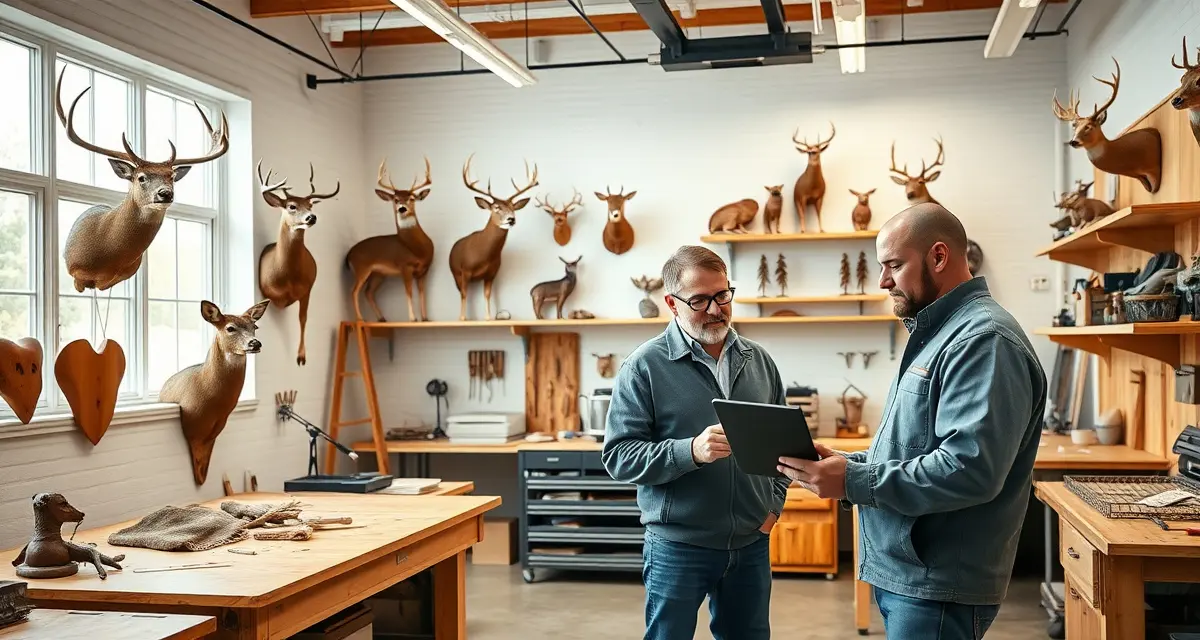
Taxidermy Shop Management Software for New York Shops
New York harvests 200,000-plus deer annually, ranking among the top Northeast states for total harvest. The state's diverse geography, Adirondacks in the north, Southern Tier in the south, Long Island and suburban New York in the southeast, creates dramatically different hunting conditions and customer demographics within a single state.
TL;DR
- The same way every high-volume shop handles a surge: preparation before season opens, digital intake that runs fast under pressure, and automated customer communication that doesn't require manual attention during the rush.
- New York harvests 200,000-plus deer annually, ranking among the top Northeast states for total harvest.
- New York's geographic diversity means each shop's peak timing varies slightly, but the operational requirements are the same.
- The principles in this guide apply to solo shops just as they do to larger operations, though the scale differs.
- A single-person shop may have lower absolute volume but faces the same documentation, compliance, and customer communication requirements.
- The most common mistake is treating taxidermy shop management new york as an afterthought rather than building it into the standard workflow from the start.
New York's Regional Diversity
A taxidermist in Allegany County, New York operates in a different world than one on Long Island. The Southern Tier shops serve a traditional rural hunting culture with high deer density and relatively simple customer service expectations. Long Island and suburban Hudson Valley shops serve a more urban demographic, higher expectations for communication, higher disposable income, and stronger interest in premium mount options.
Understanding your specific market within New York matters for how you set up customer communication and pricing. But both markets benefit from the same operational foundation: fast intake, QR tracking, and a professional customer portal.
New York DEC Requirements
New York Department of Environmental Conservation requires:
- State taxidermy license
- Hunter license and deer tag documentation at intake
- Written intake records for all game species
- Records available for DEC inspection
New York's deer management units add a geographic layer to intake documentation, which DEC unit the deer was harvested in affects which regulations applied, and that documentation may be relevant for compliance purposes.
Firearms Season Volume Management
New York's firearms deer season brings concentrated volume to shops statewide. The Southern Tier counties, Allegany, Steuben, Schoharie, see some of the highest per-shop volumes in the Northeast during the November firearms season.
AI intake, QR tracking, and automated customer communication are the difference between handling that November surge professionally and spending January apologizing to customers who haven't heard anything.
Related Articles
- Taxidermy Shop Management Software for Alaska Shops
- Taxidermy Shop Management Software for Arizona Shops
- Taxidermy Shop Management Software for Arkansas Shops
- Taxidermy Shop Management Software for California Shops
FAQ
What DEC records must New York taxidermists maintain?
New York DEC requires written intake records for all game species including customer information, hunting license number, deer tag number, harvest DEC unit, harvest date, and species. Records must be retained and available for DEC inspection upon request.
Is taxidermy licensed in New York?
Yes. New York requires a state taxidermy license through DEC. The license must be current with records properly maintained.
How do New York shops handle the statewide firearms deer season surge?
The same way every high-volume shop handles a surge: preparation before season opens, digital intake that runs fast under pressure, and automated customer communication that doesn't require manual attention during the rush. New York's geographic diversity means each shop's peak timing varies slightly, but the operational requirements are the same.
How does this apply to solo taxidermy shops?
The principles in this guide apply to solo shops just as they do to larger operations, though the scale differs. A single-person shop may have lower absolute volume but faces the same documentation, compliance, and customer communication requirements. The practical advice here scales down to any shop size.
What is the most common mistake taxidermists make with taxidermy shop management new york?
The most common mistake is treating taxidermy shop management new york as an afterthought rather than building it into the standard workflow from the start. Shops that encounter problems in this area typically did not establish clear processes before season, which means every situation becomes a one-off decision rather than a standard response.
Try These Free Tools
Put these insights into practice with our free calculators and planners:
Sources
- National Taxidermists Association (NTA)
- US Fish & Wildlife Service
- Small Business Administration (SBA)
Get Started with MountChief
Taxidermy shops that grow beyond a handful of jobs need real systems for tracking, compliance, and customer updates. MountChief was designed specifically for that transition.