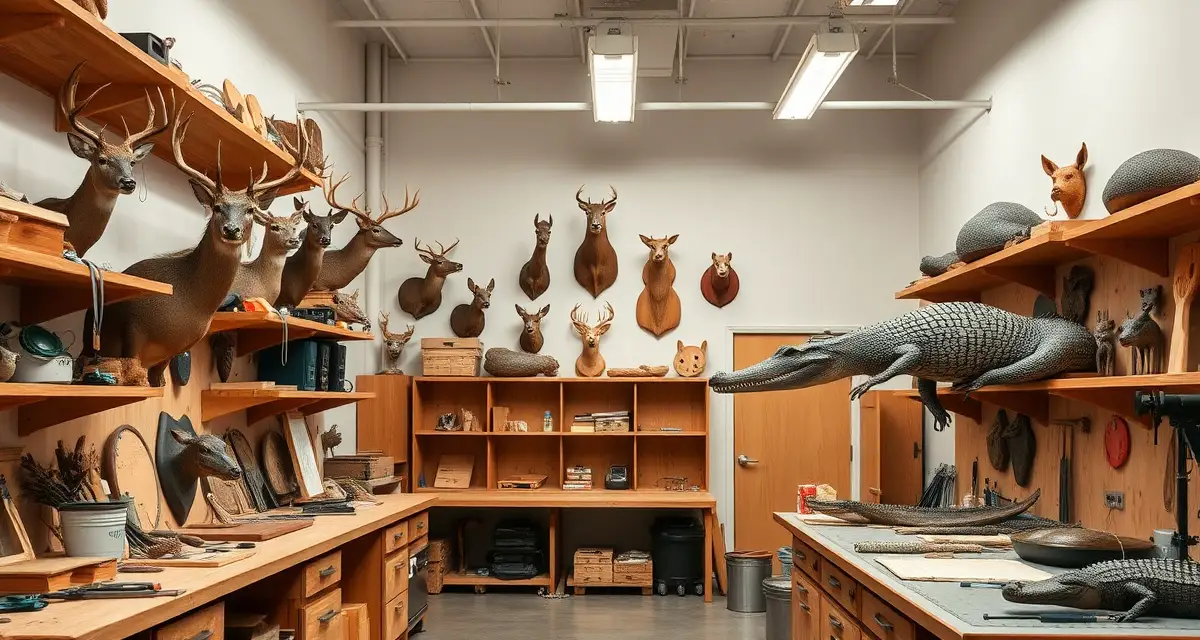
Taxidermy Shop Management Software for South Carolina Shops
South Carolina opens archery deer season in September, one of the earliest openers in the Southeast. The state's alligator permit season adds a unique documentation requirement that most other states don't face. SC taxidermists handle a species diversity that requires flexible compliance management.
TL;DR
- September deer season means South Carolina shops start taking in deer while most of the country is still in pre-season mode.
- Records must be available for DNR inspection.
- South Carolina opens archery deer season in September, one of the earliest openers in the Southeast.
- state's alligator permit season adds a unique documentation requirement that most other states don't face.
- SC taxidermists handle a species diversity that requires flexible compliance management.
- MountChief flags alligator species at intake with the relevant compliance requirements, preventing accidental acceptance without proper documentation.
South Carolina's Early Season
September deer season means South Carolina shops start taking in deer while most of the country is still in pre-season mode. This early start is an advantage for spreading intake volume, but it also means your intake system needs to be fully operational before most software companies have updated their seasonal marketing.
Being ready in August for September intake means your AI intake is configured, your tannery relationships are confirmed for early-season shipments, and your customer portal is active before the first cape comes through the door.
Alligator Season Documentation
South Carolina's alligator permit season runs in September, overlapping with early deer season. Alligator mounts, both full-body and half-body displays, require specific documentation:
- South Carolina DNR alligator permit
- CITES documentation for any interstate transport of alligator hides
- Detailed intake records including alligator length and permit number
The CITES requirement for alligator catches many South Carolina taxidermists off guard. Alligator mississippiensis (American alligator) is CITES Appendix II, meaning any interstate transport or sale of alligator products requires CITES documentation. This is not just for exotic alligators, it's for South Carolina alligators.
MountChief flags alligator species at intake with the relevant compliance requirements, preventing accidental acceptance without proper documentation.
South Carolina DNR Requirements
South Carolina DNR requires:
- State taxidermy license
- Hunter license documentation at intake
- Alligator permit documentation for alligator intake
- Written intake records for all game species
- Records available for DNR inspection
Related Articles
- Taxidermy Shop Management Software for Arizona Shops
- Taxidermy Shop Management Software for Arkansas Shops
- Taxidermy Shop Management Software for California Shops
- Taxidermy Shop Management Software for Colorado Shops
FAQ
What DNR records must South Carolina taxidermists maintain?
South Carolina DNR requires written intake records for all game species. For deer: customer information, hunting license, harvest date, and harvest county. For alligators: permit number, alligator measurements, and CITES documentation for any intended interstate transport. Records must be available for DNR inspection.
Is taxidermy licensed in South Carolina?
Yes. South Carolina requires a state taxidermy license through DNR.
How do SC shops handle alligator documentation alongside deer season?
With a compliance system that flags species-specific requirements at intake. When an alligator comes in during September alligator season, MountChief automatically prompts for permit numbers and notes CITES requirements, the same workflow that handles a deer intake adapts to the different documentation requirements.
How does this apply to solo taxidermy shops?
The principles in this guide apply to solo shops just as they do to larger operations, though the scale differs. A single-person shop may have lower absolute volume but faces the same documentation, compliance, and customer communication requirements. The practical advice here scales down to any shop size.
What is the most common mistake taxidermists make with taxidermy shop management south carolina?
The most common mistake is treating taxidermy shop management south carolina as an afterthought rather than building it into the standard workflow from the start. Shops that encounter problems in this area typically did not establish clear processes before season, which means every situation becomes a one-off decision rather than a standard response.
Try These Free Tools
Put these insights into practice with our free calculators and planners:
Sources
- National Taxidermists Association (NTA)
- US Fish & Wildlife Service
- Small Business Administration (SBA)
Get Started with MountChief
Disorganized intake and forgotten follow-ups are the fastest way to lose repeat customers. MountChief structures every step of your taxidermy workflow so nothing gets missed.