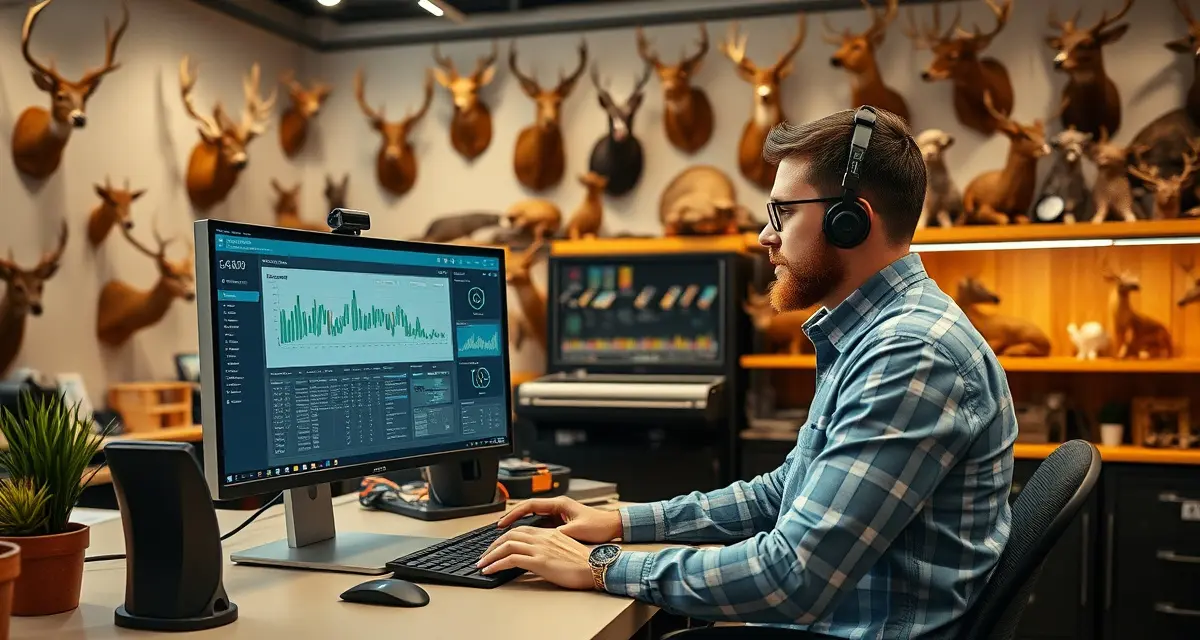
Taxidermy Software for Northeast Region Shops: PA NY MA VT NH ME
Pennsylvania has over 900,000 licensed deer hunters. Let that sink in for a second. That's more licensed deer hunters than the entire population of many states. And a meaningful percentage of those hunters are walking into Pennsylvania taxidermy shops every November.
The Northeast isn't a secondary market for taxidermy, it's one of the most demanding operating environments in the country. Dense deer populations across Pennsylvania, New York, Vermont, New Hampshire, and Maine create enormous seasonal volume. Strict state documentation requirements mean you can't afford to shortcut intake. And a population of hunters with high expectations means customer communication has to be on point.
Taxidermy software for the Northeast region has to handle both sides of that equation: high-volume intake and rigorous compliance documentation. Most generic shop management tools don't do either well.
TL;DR
- If your shop processes 500 deer in a season, even 20% calling twice about status is 200 inbound calls.
- Pennsylvania has over 900,000 licensed deer hunters.
- PA taxidermists who handle 400-600 mounts per season know what it's like to have 80 deer capes in queue with incomplete intake paperwork because someone rushed through the counter process.
- At seven minutes average per call, that's nearly 24 hours of production time gone.
- If intake takes 20 minutes per deer on paper, you're looking at hours per day just at the counter.
- When you're processing 500+ mounts per season, you cannot field every status call individually.
The Northeast Problem: Volume Meets Regulation
Pennsylvania Alone Is an Industry
No state generates more deer harvest activity for taxidermists than Pennsylvania. With antler restriction programs requiring point documentation at intake, PGC-mandated record-keeping, and a two-week rifle season that sends a wave of deer through shop doors simultaneously, PA shops face a pressure test that most software wasn't designed for.
PA taxidermists who handle 400-600 mounts per season know what it's like to have 80 deer capes in queue with incomplete intake paperwork because someone rushed through the counter process. That's where things go wrong. Lost tags, disputed conditions, compliance gaps.
Northeast States Have the Most Complex Deer Documentation Requirements
Pennsylvania, New York, Vermont, and New Hampshire all have specific record-keeping requirements tied to their deer management programs. New York DEC, Vermont Fish & Wildlife, and New Hampshire Fish & Game each have their own licensing and record structures. When you operate near a state line, you may regularly receive deer from multiple states.
Tracking the originating state of every deer (and maintaining the intake records required by that state) is not a one-notebook job.
High Customer Call Volume Is a Real Cost
Northeast hunters are not shy about calling. A densely populated hunting culture means a lot of customers who want to know exactly where their mount stands. If your shop processes 500 deer in a season, even 20% calling twice about status is 200 inbound calls. At seven minutes average per call, that's nearly 24 hours of production time gone. For status updates your software should be handling automatically.
What Northeast Taxidermy Shop Management Requires
High-Speed Intake for Firearms Season Volume
The two weeks after Pennsylvania rifle opener or New York gun season can represent 30-40% of your annual intake. If intake takes 20 minutes per deer on paper, you're looking at hours per day just at the counter. AI-assisted intake that fills in species, measurements, and condition notes from a photo (and takes three minutes instead of twenty) is not a convenience feature in a Northeast shop. It's essential for keeping up.
State-Specific Documentation Fields
Your intake records need to capture the information each state requires. Pennsylvania wants point documentation. New York DEC has its own harvest reporting system. Vermont and New Hampshire have their own licensing requirements. Software that lets you flag the harvest state and capture state-required fields at intake keeps you covered without separate paper logs.
MountChief's taxidermy shop management software includes state-specific intake templates built for northeastern compliance needs.
Customer Portal for High-Volume Communication
When you're processing 500+ mounts per season, you cannot field every status call individually. A portal where customers self-check their mount status (by job number or link) pulls the status calls off your phone and out of your production day. Northeast shops using portals consistently report dramatic reductions in inbound call volume.
You can also read how to reduce taxidermy status calls for specific communication tactics.
Tannery Coordination Across Winter
Northeast tanneries deal with the same peak season pressure your shop does. Getting your capes to the right tannery, tracking expected return windows, and updating customer timelines when tannery runs long requires a tracking system that isn't a whiteboard.
State-by-State Overview: Northeast Requirements
Pennsylvania
Pennsylvania Game Commission (PGC) manages taxidermist licensing. PA's antler restriction program requires point count documentation for all antlered deer. Record-keeping requirements are specific and enforced. Shops near state borders also receive deer from Ohio, Maryland, and New York, which may have different documentation needs. High volume and layered compliance make PA the most demanding environment in the Northeast.
New York
New York DEC requires taxidermist licensing and has record-keeping requirements for deer and certain other species. New York has a significant black bear population with its own documentation requirements. Shops in the Catskills and Adirondacks handle both local and out-of-state volume from New York City-area hunters who drive hours to hunt.
Vermont and New Hampshire
Both states require taxidermist licensing and maintain their own regulatory structures. Vermont Fish & Wildlife and NH Fish & Game are smaller agencies with active compliance programs. Vermont's tradition of trophy buck hunting and NH's active deer population mean consistent fall intake volume for shops in these states.
Maine
Maine is unique in the Northeast because of bear. Maine's black bear season creates a distinct fall intake category. Rug mounts and life-size bear are high-value jobs that require accurate intake documentation. MDIFW requires specific records for bear. White-tailed deer, moose, and bird species round out a diverse intake list.
Massachusetts
Massachusetts taxidermists operate under MassWildlife licensing and have some of the most complex regulatory requirements in the region. Certain species require specific permits for taxidermists to legally possess. Urban deer pressure has increased hunting activity in the state, but navigating MassWildlife requirements demands careful documentation.
Software Comparison for Northeast Shops
| Feature | Why It Matters in the Northeast |
|---|---|
| AI-assisted intake | Process deer in 3 minutes at peak volume, not 20 |
| State-specific fields | PGC point documentation, DEC requirements, multi-state intake |
| Customer portal | Eliminate status calls from 500+ seasonal customers |
| Tannery tracking | Manage winter tannery timelines across species |
| Mobile access | Update records from the floor, not just your office |
| Pricing transparency | Know what you're paying before committing |
Who Benefits Most in the Northeast
High-volume Pennsylvania shops. If you're processing 400+ mounts per season (with a significant portion during a two-week rifle window) intake speed and customer communication automation are the two biggest operational levers you have. Software that addresses both is worth the investment.
Shops near state lines. NY-PA border shops, VT-NH border shops, and ME-NH shops regularly receive deer from multiple states with different documentation requirements. Centralizing those records in one system that tracks harvest state prevents compliance gaps.
Shops with small teams handling big seasons. A two-person shop processing 300 deer in November needs every efficiency available. AI intake and automated portal updates replace the work of a third person during peak.
Related Articles
FAQ
What are the challenges of running a taxidermy shop in the Northeast?
The combination of high volume and strict documentation requirements is what separates Northeast shops from most of the country. Pennsylvania's antler restriction documentation, New York DEC record-keeping, and the concentrated timing of firearms seasons create pressure that paper systems can't handle. Shops that try to manage peak season on spreadsheets or notebooks consistently hit a wall around the second week of firearms season.
How do Northeast taxidermists handle high customer call volume?
The shops that handle it best have two things in place before season opens: written timeline estimates given at intake, and a customer portal that lets hunters self-check status. Shops that send a portal link with every intake text or email eliminate 80-90% of the "just checking in" calls that eat production hours during the busiest weeks.
Which Northeast states require the most documentation for deer?
Pennsylvania requires the most from taxidermists due to the antler restriction program and PGC compliance requirements. New York DEC has significant record-keeping requirements, particularly for certain species beyond deer. Maine's bear season adds a complex layer for shops that take bear. In all cases, digital intake records that capture state-required fields are more reliable than paper notebooks during peak season.
How does this apply to solo taxidermy shops?
The principles in this guide apply to solo shops just as they do to larger operations, though the scale differs. A single-person shop may have lower absolute volume but faces the same documentation, compliance, and customer communication requirements. The practical advice here scales down to any shop size.
What is the most common mistake taxidermists make with taxidermy shop northeast software?
The most common mistake is treating taxidermy shop northeast software as an afterthought rather than building it into the standard workflow from the start. Shops that encounter problems in this area typically did not establish clear processes before season, which means every situation becomes a one-off decision rather than a standard response.
Try These Free Tools
Put these insights into practice with our free calculators and planners:
Sources
- National Taxidermists Association (NTA)
- US Fish & Wildlife Service
- Taxidermy Today
- Small Business Administration (SBA)
Take Control of Your Northeast Season
Northeast taxidermy is high-stakes, high-volume work. The right software makes the difference between a season you survive and one you actually run well. MountChief's taxidermy shop management software handles intake speed, compliance documentation, and customer communication in one platform designed for exactly this kind of volume.
Get started before next season, setup takes less than an hour.
Get Started with MountChief
The right shop management software is the foundation of a well-run taxidermy operation. MountChief combines AI intake, tannery tracking, customer portal communication, and compliance documentation in one platform built specifically for taxidermists. Try MountChief free and see the operational difference in your first week.