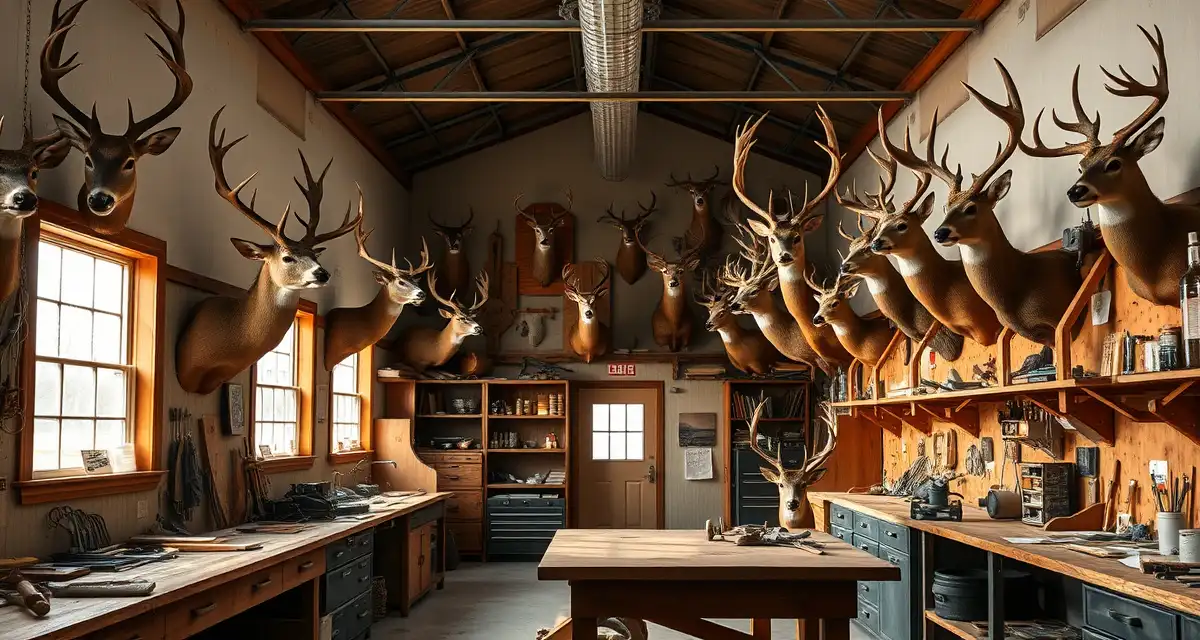
Taxidermy Software for Southeast Region Shops: AL, GA, MS, SC, FL
Running a taxidermy shop in the Southeast is a different animal than running one in the Midwest or West. The deer seasons are longer (Southeast deer seasons average 16 weeks, the longest regional window in the US), the climate complicates specimen handling, and the regulatory picture varies meaningfully across Alabama, Georgia, Mississippi, South Carolina, and Florida.
Warm climate specimen deterioration makes fast intake processing critical in the South. A deer cape that a hunter in Minnesota can leave in a truck bed overnight without consequence can develop bacterial activity within hours in October in Georgia or Alabama. That urgency changes how you run intake, what you communicate to hunters at drop-off, and how you sequence production work.
This guide covers the specific challenges Southeast shops face, the compliance requirements across each state, and how management software addresses the regional factors that generic small business tools miss entirely.
TL;DR
- When a hunter brings in a whitetail cape on a 75-degree November afternoon in Georgia, you have hours to get it properly handled, not days.
- Bacterial activity in a warm, unprocessed cape can begin within 4 to 6 hours in Southeast conditions.
- Warm climate specimen deterioration makes fast intake processing critical in the South.
- If you're operating in coastal Georgia, your warm-weather intake protocols need to be even more aggressive than inland shops.
- Hunters archery-hunting in summer conditions need explicit guidance on field care and transport.
- Florida Fish and Wildlife Conservation Commission (FWC) licenses taxidermists, and the state's exotic species rules cover 80-plus non-native animals requiring documentation.
The Southeast Deer Season Advantage (and Its Challenges)
Longer Seasons Create Steady Volume
Alabama, Georgia, Mississippi, South Carolina, and Florida all run extended deer seasons compared to most of the country. Alabama's season often runs from October through January. South Carolina archery hunters can start in August. Florida has year-round hunting on private land in some configurations.
That extended window means Southeast shops don't face the same two-week November crush that Midwestern shops experience. Intake is more spread out, which can feel like an advantage. But it comes with its own management challenges: jobs accumulate across a longer window, tannery turnaround overlaps with fresh intake, and the backlog at season's end can stretch further than shops in tighter-season states.
Heat and Humidity Demand Fast Intake
This is the factor that distinguishes Southeast taxidermy work more than anything else. When a hunter brings in a whitetail cape on a 75-degree November afternoon in Georgia, you have hours to get it properly handled, not days. Bacterial activity in a warm, unprocessed cape can begin within 4 to 6 hours in Southeast conditions.
The practical implications:
Educate hunters at drop-off (and before). Post instructions in your shop about proper field care in warm weather. Ideally, hunters should cape the deer in the field and get the cape on ice within two hours of harvest. If a hunter doesn't know this, the cape they bring you may already have problems you can't fix.
Evaluate condition immediately at intake. Don't set a cape aside to evaluate later. Assess it at intake, document any existing deterioration with photos, and get it into the freezer or into salt within minutes of arrival. The condition notes you put in the intake record protect you if a customer later claims damage occurred in your shop.
Have a clear policy on heat-damaged specimens. Some capes that arrive during warm Southeast conditions won't mount well. Know your threshold for what you'll accept and what you'll decline. Having that threshold written into your shop policies prevents difficult conversations later.
Humidity and Storage
High humidity in Southeast states affects your shop environment. Mounted specimens absorb moisture differently in Georgia or Mississippi than in Colorado. Finished mounts stored in a humid shop can develop mold or have finish problems before pickup.
Climate-controlled storage for finished mounts matters more in the Southeast than in most regions. If your shop relies on ambient conditions, invest in dehumidification before deer season. The cost of one mold-damaged mount exceeds the cost of proper climate control by a wide margin.
State-by-State Compliance Requirements
Alabama
Alabama taxidermists are licensed through the Alabama Department of Conservation and Natural Resources (DCNR). A state taxidermist license is required before accepting specimens for pay.
Alabama's extended deer season and large deer harvest create high intake volume. Required records for deer in Alabama include hunter name and address, license number, kill date, and county of harvest. Alabama has a large population of both resident and out-of-state hunters in its western zones, particularly non-residents hunting managed properties.
Alabama doesn't have the same CITES-adjacent exotic species complexity as Florida, but the interstate transport documentation requirements still apply for specimens leaving Alabama for completion in another state or for customers shipping mounts home to other states.
Georgia
Georgia taxidermists license through the Georgia Department of Natural Resources (DNR). Georgia's deer season is long, and the state has one of the larger deer harvests in the Southeast.
Georgia's CWD status is monitored; as of recent years, CWD has been identified in some regions, and documentation requirements for deer harvested in high-risk zones may expand. Shops near the North Georgia border with Tennessee or North Carolina should monitor GDNR updates on CWD documentation requirements.
Georgia's warm coastal regions, from Savannah to the coast, create particularly aggressive specimen deterioration conditions. If you're operating in coastal Georgia, your warm-weather intake protocols need to be even more aggressive than inland shops.
Mississippi
Mississippi has one of the highest per-capita deer harvests in the Southeast. The state's long season and large hunter population create sustained intake pressure from October through January.
Mississippi Department of Wildlife, Fisheries and Parks (MDWFP) licenses taxidermists and requires standard deer documentation. Mississippi has been proactive in CWD monitoring and documentation requirements, particularly in the northern part of the state near areas with positive CWD detections in neighboring states.
Mississippi taxidermists in the Delta region often handle large volume from managed hunting operations. These operations generate consistent, high-volume intake with well-prepared specimens and organized documentation, which is a different workflow from handling individual walk-in hunters.
South Carolina
South Carolina runs one of the longest archery seasons in the country, opening in August in some zones. That means South Carolina shops can start receiving deer specimens before deer season in most other states has even opened.
South Carolina Department of Natural Resources (SCDNR) licenses taxidermists. The early season in South Carolina creates specific warm-weather handling challenges because August in South Carolina is genuinely hot. Hunters archery-hunting in summer conditions need explicit guidance on field care and transport.
South Carolina also has one of the more relaxed antler restriction programs in the Southeast, which means doe and spike intake can represent a larger percentage of South Carolina intake than in states with stricter antler point restrictions.
Florida
Florida stands apart from the other Southeast states in its regulatory complexity. Florida Fish and Wildlife Conservation Commission (FWC) licenses taxidermists, and the state's exotic species rules cover 80-plus non-native animals requiring documentation.
Florida year-round hunting seasons (including multiple deer, hog, and Turkey seasons, plus the exotic species hunting on private land) mean there's genuinely no off-season for Florida taxidermy shops. You can be receiving specimens in June when shops in Michigan are completely idle.
The exotic species layer is where Florida's compliance picture gets complex. Florida has populations of non-native species that other states don't have: African species on private ranches, escaped or introduced exotics now present in the wild, and legal hunting of species that don't exist in most other states. Knowing which exotics require what documentation at intake is part of running a Florida shop.
Unique Challenges of Southeast Taxidermy Shops
Waterfowl in Southern States
The Mississippi Flyway passes through the Southeast, and states like Mississippi, Alabama, and Louisiana attract large waterfowl harvests. Southeast taxidermists who do bird work need to be set up for waterfowl intake alongside deer, which means having federal taxidermist permits in place and the record-keeping infrastructure for migratory bird documentation.
Duck and goose mounts represent a meaningful seasonal addition to Southeast shop volume during November and December, often overlapping with the peak of deer intake.
Hog and Predator Work
Wild hog populations are massive throughout the Southeast. Many Southeast taxidermists do a meaningful volume of hog mounts, including European-style skull mounts that have become popular with hunters who manage hunting properties. Hogs can be shot year-round in most Southeast states, creating non-seasonal intake throughout the year.
Coyote, bobcat, and raccoon work also comes to Southeast shops throughout the year. The intake documentation for predators and hogs differs from deer in the compliance fields required, and those differences need to be captured correctly at intake.
Out-of-State Hunters and Tourism
The Southeast attracts significant hunting tourism, particularly for whitetail deer on managed properties in Alabama and Mississippi, wild turkey across the region, and waterfowl along the Mississippi Flyway. Out-of-state hunters who use a Southeast taxidermist need documentation to transport finished mounts across state lines.
Managing out-of-state customers requires the same communication infrastructure as western elk shops: portal access, shipping coordination, and intake confirmation sent before the hunter leaves the state.
How MountChief Addresses Southeast-Specific Needs
Fast Intake for Warm-Weather Urgency
MountChief's AI photo intake is built specifically for the speed that warm-weather specimen handling demands. Instead of a 15-to-20-minute paper intake process, AI photo intake processes the basic species identification, condition flags, and measurement capture in under three minutes.
That speed matters in Southeast conditions. Getting a hunter through intake and getting their cape into the freezer quickly is not an administrative convenience in the South. It's specimen preservation.
Condition Documentation at Intake
The condition notes field in MountChief's intake workflow is designed for exactly the kind of warm-weather deterioration documentation that Southeast shops need. Photograph the cape at intake, add condition notes, and the record is timestamped and attached to the job before the customer leaves.
If the cape later shows deterioration that existed at intake, the record proves it. That documentation is especially important in the Southeast where heat damage can develop quickly and can be difficult to distinguish from damage that occurs later in your shop.
State-Specific Compliance Fields
MountChief's intake forms include the state-required fields for each Southeast state: Alabama's county of harvest field, Georgia's DNR documentation, Florida's exotic species records. The fields are built into the intake workflow so they're captured at the moment they're easiest to capture, when the hunter is standing in front of you.
Multi-Season Workflow for Extended Seasons
Southeast shops running deer season intake over 16 weeks while also managing spring turkey, summer hog work, and waterfowl need a system that handles concurrent job types without confusion. MountChief's job tracking organizes by species, mount type, and status simultaneously, so your deer season jobs don't crowd out visibility into your spring turkey backlog or your February duck mounts.
Choosing the Right Software for Your Southeast Shop
Generic small business software, spreadsheets, and paper systems all share the same limitation for Southeast taxidermists: they don't know what fields to capture for Alabama deer compliance, they don't flag exotic species documentation requirements for Florida shops, and they don't have the intake speed that warm-weather conditions demand.
Purpose-built taxidermy software fixes those specific problems. The taxidermy shop management software overview covers the full feature set, but for Southeast shops the most impactful features are fast intake, condition documentation, and state-specific compliance field capture.
What Are the Unique Challenges of Southeast Taxidermy Shops?
The three biggest:
- Temperature and humidity create specimen handling urgency that doesn't exist in northern states. Fast intake and rapid freezer/salt handling are essential, not optional.
- Extended seasons create steady intake across a longer window, which can mask backlog accumulation and make capacity planning harder than in states with a compressed season.
- Regulatory variation across five states (plus federal requirements for migratory birds and interstate transport) means a Southeast taxidermist who operates near state lines or serves out-of-state hunters needs to stay current on requirements in multiple jurisdictions.
Frequently Asked Questions
What are the unique challenges of taxidermy shops in the Southeast?
The three defining challenges are warm-weather specimen handling (bacterial deterioration begins within hours in high temperatures), extended deer seasons that spread intake over 16-plus weeks, and state-by-state regulatory variation across Alabama, Georgia, Mississippi, South Carolina, and Florida. Florida adds an exotic species compliance layer that other Southeast states don't have. Managing these challenges requires faster intake than northern shops, more aggressive condition documentation, and state-specific record-keeping at intake.
How do Southeast shops handle warm weather intake?
The core protocol is speed: evaluate condition immediately at intake, photograph and document any existing deterioration, and get the cape into the freezer or into salt within minutes of arrival. Many Southeast shops post field care instructions at the intake desk and on their website so hunters know to cape deer quickly and get them on ice. Clear policies about heat-damaged specimens that won't mount well, documented at intake and acknowledged by the customer, prevent the most common disputes.
Which Southern states have the most complex wildlife regulations?
Florida is the most complex due to its exotic species rules covering 80-plus non-native animals, year-round hunting seasons, and FWC-specific documentation requirements. Alabama and Mississippi have increasing complexity around CWD documentation in affected zones. South Carolina's early archery season creates documentation needs that begin before most other Southern states have opened. All five states require taxidermist licensing, and federal migratory bird requirements apply equally across all of them.
How does this apply to solo taxidermy shops?
The principles in this guide apply to solo shops just as they do to larger operations, though the scale differs. A single-person shop may have lower absolute volume but faces the same documentation, compliance, and customer communication requirements. The practical advice here scales down to any shop size.
What is the most common mistake taxidermists make with taxidermy shop southeast software?
The most common mistake is treating taxidermy shop southeast software as an afterthought rather than building it into the standard workflow from the start. Shops that encounter problems in this area typically did not establish clear processes before season, which means every situation becomes a one-off decision rather than a standard response.
Related Articles
- Taxidermy Software for Southwest Region Shops: TX NM AZ NV
- Taxidermy Shop Management Software for Alaska Shops
- Taxidermy Shop Management Software for Arizona Shops
Try These Free Tools
Put these insights into practice with our free calculators and planners:
Sources
- National Taxidermists Association (NTA)
- US Fish & Wildlife Service
- Taxidermy Today
- Small Business Administration (SBA)
Get Started with MountChief
The right shop management software is the foundation of a well-run taxidermy operation. MountChief combines AI intake, tannery tracking, customer portal communication, and compliance documentation in one platform built specifically for taxidermists. Try MountChief free and see the operational difference in your first week.