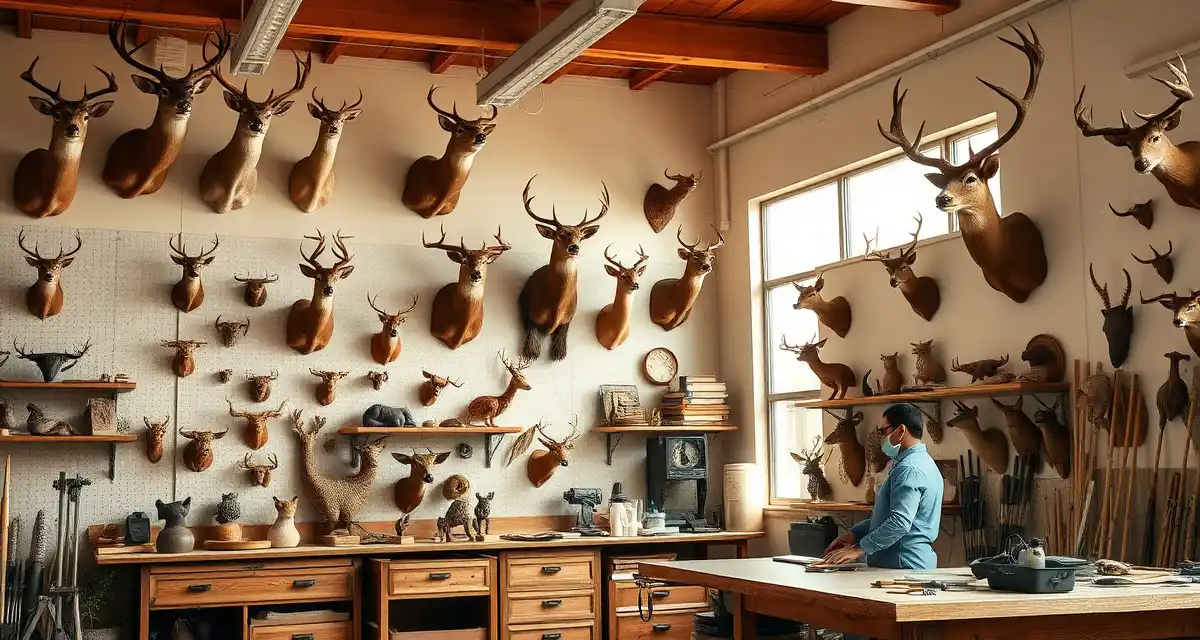
Taxidermy Software for Southwest Region Shops: TX NM AZ NV
Texas harvests more deer than the next three states combined. That one fact tells you something about what running a taxidermy shop in the Southwest is like. The volume is different here. The species list is different. And the compliance requirements are unlike anywhere else in the country.
Texas, New Mexico, Arizona, and Nevada taxidermists deal with a reality that most shop management software was never designed for: exotic ranch animals. In Texas especially, exotic ranches generate 20-30% of revenue for many shops. Those aren't whitetails with TPWD harvest tags. They're axis deer, fallow, blackbuck, nilgai, and aoudad. Some of which carry CITES documentation requirements that a missed checkbox can turn into a federal violation.
Taxidermy software for the Southwest region has to handle that complexity alongside standard big game work. If your software can't track a CITES Appendix II listing or differentiate ranch-origin exotics from wild-harvest animals, it's already failing you.
TL;DR
- Texas, New Mexico, Arizona, and Nevada taxidermists deal with exotic ranch animals that most shop management software was not designed for.
- In Texas, exotic ranches generate 20-30 percent of revenue for many shops.
- Coues deer have a devoted following of out-of-state hunters making Arizona shops critical for out-of-state customer communication.
- Exotic species documentation requires CITES permit tracking in addition to standard state wildlife records.
- Southwest shops handling desert mule deer, javelina, and exotic species need species-specific compliance flagging at intake.
- Software with tannery tracking is especially valuable in the Southwest where large exotic mounts run 10-16 month timelines.
The Southwest Problem: Exotics, Year-Round Volume, and Federal Compliance
Exotic Ranch Work Is Not Optional for Many TX and AZ Shops
Texas has thousands of exotic ranches. Many operate year-round, which means Texas shops don't get the seasonal breathing room that shops in other states do. You might be pulling whitetail from rifle season in November while simultaneously processing axis deer from a December ranch hunt and a nilgai from a January south Texas trip.
Each of those animal categories has different documentation requirements. Mixing up paperwork (or worse, missing required records for a CITES-listed species) creates legal exposure.
CITES Documentation Is Federal Law, Not a Suggestion
Some exotic species that Texas and Arizona taxidermists regularly handle are listed under the Convention on International Trade in Endangered Species. Blackbuck antelope (Antilope cervicapra) is a CITES Appendix III species. Sable antelope, various roan antelope, and other African exotics brought to Texas ranches may have additional listing status.
When those animals leave your shop (especially if they're shipping out of state or internationally) CITES documentation must be accurate and complete. A taxidermy management system that can flag species-level compliance requirements at intake prevents violations before they happen.
Desert Big Game Has Different Tannery Requirements
Coues deer, desert mule deer, pronghorn, javelina, and Merriam's turkey all have region-specific prep and tannery requirements. Arizona shop owners working with desert big game know that the heat conditions for cape preservation in the field are different than Midwest whitetail. Documenting condition at intake (and flagging capes with field care concerns) protects you when condition disputes arise.
What Southwest Taxidermy Shop Management Requires
Exotic Species Intake With Ranch-Source Documentation
Your intake system needs to capture not just species but origin (wild harvest, ranch, captive-bred) because that determines documentation requirements. A ranch-origin axis deer in Texas needs different records than a wild white-tailed deer with a TPWD tag. Software that makes this distinction at intake prevents compliance gaps downstream.
CITES Flagging for Listed Species
When you intake a species that has CITES listing implications, your software should alert you. This is not about being overly cautious. It's about not accidentally failing to document a federal requirement because intake was busy and someone forgot to check the box.
MountChief's taxidermy shop management software flags regulated species at intake so you know before the specimen goes into production what documentation is required.
Year-Round Tannery Tracking
Texas and Arizona shops don't have a three-month offseason where tannery pressure drops. Year-round hunting (archery, rifle, ranch, exotic) means year-round tannery shipments. You need a tracking system that manages multiple concurrent tannery batches, expected return dates, and actual return dates continuously.
TPWD, NMDGF, and AZGFD Compliance
Texas Parks and Wildlife Department, New Mexico Department of Game and Fish, and Arizona Game and Fish Department each have their own taxidermist licensing and record-keeping requirements. If you're near the New Mexico or Arizona border (or have customers who hunt both states) you need records that satisfy multiple state requirements.
State-by-State Overview: Southwest Requirements
Texas
TPWD licenses over 2,000 active taxidermists, more than any other state. Texas has specific record-keeping requirements for all wildlife, and exotic species intake adds a layer that most states don't deal with. Ranch operations that use hunting as a business model generate enormous taxidermy volume. Many Texas shops process both TPWD-tagged wild deer and ranch exotics in the same week. Keeping those records separate and correct is non-negotiable.
New Mexico
New Mexico Department of Game and Fish requires taxidermist licensing and has record-keeping requirements. NMDGF manages elk, mule deer, pronghorn, Barbary sheep (aoudad), and oryx on public lands. The White Sands Oryx hunt (where feral oryx from the missile range are hunted) creates unique documentation situations. Border proximity to Mexico also creates occasional CITES documentation scenarios for exotic trophies.
Arizona
Arizona Game and Fish manages taxidermist licensing and enforcement. Arizona has notable trophy species (Coues deer, desert mule deer, desert bighorn, javelina, Merriam's turkey) and the state's lottery system means high-value tags. Coues deer have a devoted following of out-of-state hunters making Arizona shops critical for customer communication management.
Nevada
Nevada DWR manages taxidermist licensing. Nevada's big game includes mule deer, elk, pronghorn, and desert bighorn. The state's lottery-driven trophy system makes individual mounts high-value. Nevada shops often serve clients from California and other West Coast states where hunting is less common, creating out-of-state customer communication needs.
CITES and Exotic Species: What to Document
This table covers the most common exotic species in Southwest shops and their documentation considerations:
| Species | Common Name | CITES Status | Documentation Need |
|---|---|---|---|
| Antilope cervicapra | Blackbuck | Appendix III | CITES documentation for export |
| Axis axis | Axis deer | Not listed | Ranch permit or wild harvest record |
| Dama dama | Fallow deer | Not listed | Ranch permit or origin documentation |
| Nanger dama | Dama gazelle | Appendix I | Full CITES permit if applicable |
| Ammotragus lervia | Aoudad/Barbary sheep | Appendix II (population-dependent) | Check current listing |
| Boselaphus tragocamelus | Nilgai | Not listed | Ranch permit or origin documentation |
Species listing status changes. Your software should flag species-level compliance considerations, but always verify current CITES appendix status and consult with USFWS if there's any question.
Who Benefits Most in the Southwest
Texas shops with active exotic ranch client bases. If ranch hunting is 20%+ of your revenue, the documentation complexity justifies purpose-built software. Tracking exotic origin, species identity, and CITES status on paper is where compliance violations happen.
Border-area shops handling multi-state intake. New Mexico-Texas border shops, Arizona-New Mexico shops, and Texas-Oklahoma border operations regularly intake animals from multiple states. Centralized software that captures harvest state eliminates the "which state's rules apply here?" confusion.
Arizona shops with trophy species lottery clients. Clients who drew a once-in-a-lifetime desert bighorn or Coues deer tag have extremely high expectations. Portal access, proactive communication, and accurate timeline tracking are required for that customer relationship.
Related Articles
- Taxidermy Shop Management Software for Alaska Shops
- Taxidermy Shop Management Software for Arizona Shops
FAQ
What exotic species documentation do Southwest taxidermists need?
At minimum, you need to document the species, origin (wild-harvest, ranch, captive-bred), and any harvest permits associated with the animal. For CITES-listed species, additional documentation may be required depending on what's happening to the mount after completion, particularly if it's being shipped interstate or internationally. Texas TPWD has specific requirements for exotic species documentation even on private ranches. AZGFD and NMDGF have their own requirements. When in doubt, document everything.
How do Southwest shops handle CITES compliance for ranch exotics?
The practical approach is to flag CITES-listed species at intake and maintain documentation of the animal's origin. For species that are CITES-listed, you should obtain documentation from the ranch or owner showing the legal origin of the animal. If the finished mount will be exported internationally, CITES export permits must be obtained before it crosses the border. Software that flags species-level compliance requirements prevents the situation where you discover a documentation gap after the mount is finished.
Which Southwest states have the most complex exotic species regulations?
Texas is the most complex by volume and variety. The sheer number of exotic species, ranches, and operations creates a documentation landscape that no other state matches. New Mexico is second due to the unique oryx situation and aoudad presence on public lands. Arizona's CITES exposure comes primarily from trophy hunts and the occasional African import that needs processing.
How does this apply to solo taxidermy shops?
The principles in this guide apply to solo shops just as they do to larger operations, though the scale differs. A single-person shop may have lower absolute volume but faces the same documentation, compliance, and customer communication requirements. The practical advice here scales down to any shop size.
What is the most common mistake taxidermists make with taxidermy shop southwest software?
The most common mistake is treating taxidermy shop southwest software as an afterthought rather than building it into the standard workflow from the start. Shops that encounter problems in this area typically did not establish clear processes before season, which means every situation becomes a one-off decision rather than a standard response.
Try These Free Tools
Put these insights into practice with our free calculators and planners:
Sources
- National Taxidermists Association (NTA)
- US Fish & Wildlife Service
- Taxidermy Today
- Small Business Administration (SBA)
Manage Your Southwest Shop Like the Operation It Is
Southwest taxidermy is year-round, high-value, and compliance-intensive. MountChief's taxidermy shop management software handles exotic species documentation, CITES flagging, tannery tracking, and customer portals in one system built for the complexity of your market.
See it in action with a free trial, no credit card required.
Get Started with MountChief
The right shop management software is the foundation of a well-run taxidermy operation. MountChief combines AI intake, tannery tracking, customer portal communication, and compliance documentation in one platform built specifically for taxidermists. Try MountChief free and see the operational difference in your first week.