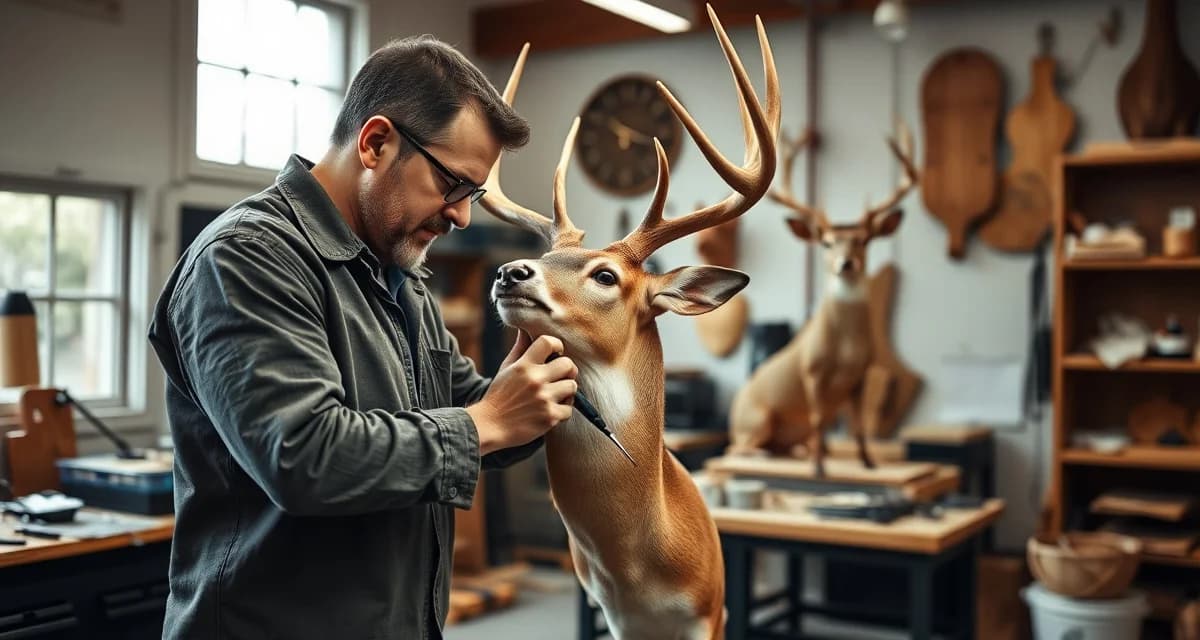
Social Media for Taxidermy Shops: What Actually Works in 2026
Taxidermy before-and-after posts receive 5x more engagement than posts showing only completed mounts. That's a big gap, and it makes sense when you think about it. A completed deer mount is impressive. A side-by-side comparison showing where the cape started and where it ended up is a story. People respond to stories.
Facebook hunting groups are the most effective free marketing channel for taxidermists. Not Instagram. Not TikTok. Facebook. Specifically, local and regional hunting groups where people are already talking about where to take their deer. That's where you want to be visible.
This guide covers a realistic social media strategy that works for taxidermists who have a few hours per week for it, not full-time content creators.
TL;DR
- If you post twice per week consistently, you'll outperform 90% of taxidermy shops on social media.
- well-packed cape can stay in the freezer 12+ months without issue.
- If someone asks about your pricing or availability in a comment or DM, respond within 24 hours.
- Facebook hashtags are less important than on Instagram. Don't bother with more than 3-4 on Facebook posts.
- Here's where it landed after 10 months in production.
- consistent 2x/week cadence beats it every time.
The Two Platforms That Actually Move Business
Facebook: Your Primary Marketing Channel
Facebook has an older demographic than Instagram, which happens to overlap almost exactly with the deer hunting community. Middle-aged hunters with disposable income who've been hunting for 20 years are the core taxidermy customer, and they're on Facebook.
Where your posts reach this audience:
Your shop's Facebook page: Post here consistently so local hunters can find you easily. Your page should have current hours, your phone number, a price list (or a link to one), and a portfolio of recent work.
Local and regional hunting groups: These are where the real engagement happens. Search Facebook for groups like "[your state] deer hunters," "[your county] hunting," or "[your region] whitetail." Join as a member. Participate genuinely. When you post a great before-and-after or share advice, you're visible to thousands of local hunters who are exactly your target customer.
The key to hunting group posting: don't just advertise. Be a contributor. Answer questions about cape care. Offer advice on storage. Share knowledge. When you post your work, do it in a way that adds value to the conversation ("here's one that came in with significant hide damage that we were able to work with").
Instagram: Secondary, Visual-First
Instagram drives more engagement visually, but the hunting community is spread thinner there than on Facebook. Instagram is worth maintaining for credibility and reach, particularly with younger hunters. But for direct referrals and actual phone calls, Facebook hunting groups outperform Instagram for most taxidermists.
Instagram works best for:
- Portfolio-building (high-quality photos of finished work)
- Before-and-after sequences (these are your best-performing posts here too)
- Behind-the-scenes clips (short videos of the process)
- Season-specific posts with relevant hashtags
Connecting your taxidermy shop management software to your business profiles lets you maintain consistent shop information across platforms without manual updates.
What to Post: A Practical Content Calendar
If you post twice per week consistently, you'll outperform 90% of taxidermy shops on social media. That's the bar. Most shops post sporadically or not at all.
Here's a simple weekly content rhythm:
Post 1: Work in Progress / Before-and-After
Your most valuable content. Take a photo at intake when a good cape comes in. Take another when the mount is finished. Post both together with a brief caption describing the process. These posts get shared, saved, and generate direct messages from hunters asking about pricing.
Caption example: "This velvet 8-point came in from early September archery season. The cape was in perfect shape - we love getting early-season capes that have been handled well. Here's where it landed after 10 months in production. 📍 [Your town], available for pickup."
Post 2: Educational / Community Content
Answer questions hunters have. Cape storage tips. How to handle a deer in the field to preserve the cape quality. What to expect from the intake process. Why your turnaround takes as long as it does. This content builds trust and generates engagement from people who haven't hunted with you yet.
Example: "Getting questions about cape storage. Here's what works: [3 bullet points on proper freezer storage]. A well-packed cape can stay in the freezer 12+ months without issue. A poorly packaged one might not be mountable after 3 months."
During Deer Season: Post More, Keep It Simple
October and November are when your social presence matters most. Hunters are actively deciding where to take their deer. Visibility during this window directly translates to intake volume.
During peak season, aim for three posts per week:
- Monday: A completed mount from your current production
- Wednesday: A field photo tagged from a customer (with permission) or a process shot
- Friday/Weekend: Availability post - "We're open Saturday 9-4 for drop-offs. Call ahead if you have questions."
Availability posts during season are more directly actionable than content posts. Hunters want to know when you're open.
Getting Customer Photos
Photos of happy customers with their mounts are some of your best content. Ask at every pickup whether you can take a quick photo with the customer and their mount. Most say yes.
These posts work especially well because:
- They show the full mount in context of how it's displayed
- They tag the customer, reaching their network of hunting friends
- They're authentic testimonials without being explicit reviews
Always ask permission before posting any customer photos. Note it in your customer management records so you know who's consented to having their work featured.
Hashtag Strategy for Taxidermy
Hashtags on Instagram extend your reach beyond your existing followers. Use a mix of specific and broad tags:
- Specific: #WhitetailTaxidermy, #DeerMount, #WisconsinTaxidermy (or your state)
- Process: #TaxidermyProcess, #BeforeAndAfter, #TaxidermyShop
- Hunting community: #WhitetailDeer, #DeerHunting, #BowhuntingLife
Use 5-10 hashtags per post. More than that starts to look spammy.
Facebook hashtags are less important than on Instagram. Don't bother with more than 3-4 on Facebook posts.
What NOT to Do on Social Media
Don't post inconsistently. A burst of 10 posts in November followed by silence until next November isn't a strategy. A consistent 2x/week cadence beats it every time.
Don't only post finished work. The process is more interesting than the product to most people. Give them behind-the-scenes access.
Don't ignore comments and messages. If someone asks about your pricing or availability in a comment or DM, respond within 24 hours. Slow responses signal to potential customers that communication with your shop might be hard.
Don't ignore your Google Business Profile. Your Google listing may get more traffic than your social pages for local searches. Keep it current. Google My Business for taxidermy shops is worth its own setup effort.
How Much Time This Actually Takes
A realistic social media commitment for a taxidermist who's focused on work, not content creation:
- 30 minutes per week outside peak season (one before-and-after post from work already done, one educational post)
- 1 hour per week during peak season (three posts, some DM responses, occasional community group engagement)
That's all. You don't need to be a content creator. You need to be consistently present where your customers are looking.
Frequently Asked Questions
How do I market my taxidermy shop on Instagram?
Focus on before-and-after posts (they get 5x more engagement than standalone completed mounts), process clips showing detail work, and portfolio shots of your best finished work. Post consistently at least once per week. Use 8-10 relevant hashtags per post. Connect your business profile with your contact information and a link to your website or booking page. Instagram is better for portfolio building and reaching younger hunters than for driving immediate phone calls.
What social media platform is best for taxidermy shops?
Facebook, specifically Facebook hunting groups in your local and regional area. These groups contain exactly your target customer (active hunters discussing where to take their deer) and allow genuine participation that builds trust over time. Your shop's Facebook page is your second priority, where past and potential customers can find your hours, pricing, and portfolio. Instagram is worth maintaining for visual credibility but drives fewer direct referrals for most taxidermists.
How do I get more taxidermy followers without spending hours on social media?
Consistency beats frequency. Two posts per week, every week, produces more follower growth and business results than ten posts one week and silence for three weeks. Your highest-performing content will almost always be before-and-after comparisons, so build the habit of photographing capes and specimens at intake. The photo you take in October becomes your best November content when the mount is ready. Ask customers with great results whether you can tag them; their friends are hunters too.
How does this apply to solo taxidermy shops?
The principles in this guide apply to solo shops just as they do to larger operations, though the scale differs. A single-person shop may have lower absolute volume but faces the same documentation, compliance, and customer communication requirements. The practical advice here scales down to any shop size.
What is the most common mistake taxidermists make with taxidermy shop social media?
The most common mistake is treating taxidermy shop social media as an afterthought rather than building it into the standard workflow from the start. Shops that encounter problems in this area typically did not establish clear processes before season, which means every situation becomes a one-off decision rather than a standard response.
Related Articles
Try These Free Tools
Put these insights into practice with our free calculators and planners:
Sources
- National Taxidermists Association (NTA)
- US Fish & Wildlife Service
- Small Business Administration (SBA)
Get Started with MountChief
Keeping compliance records accurate, customers informed, and specimens on schedule takes more than a whiteboard. MountChief gives taxidermists the tools to manage it all digitally.